
Let’s Talk About Mexico: Structural Risk and Global Mobility

Introduction: Mexico Structural Risk Is No Longer Theoretical
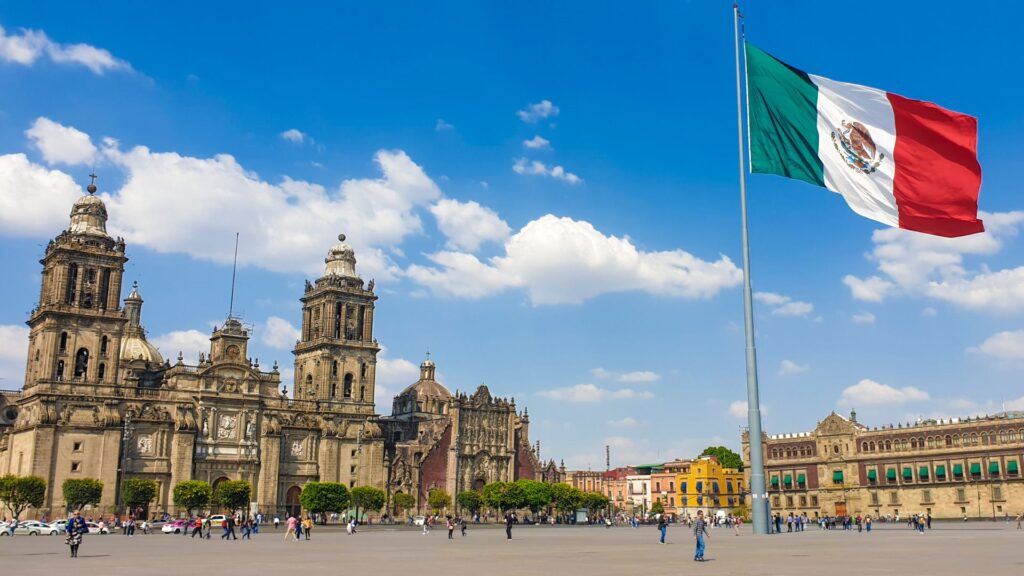
Mexico structural risk has moved from a conceptual concern to a practical example of modern volatility. Recent coordinated violence disrupted more than 20 states within 48 hours, affecting highways, airports, and commercial corridors across a G20 economy deeply integrated into global trade.
For high-net-worth individuals, business owners, and international investors, this is not simply a regional issue. It reflects a structural shift in how instability develops and spreads in today’s interconnected environment.
Economic size no longer guarantees insulation from rapid disruption.
Economic Strength Does Not Eliminate Vulnerability
Mexico remains one of the world’s largest economies and a major global trade partner. It plays a critical role in North American manufacturing and cross-border commerce. However, recent events demonstrate that even strong economies face sudden operational stress.
Within days:
- Major highways were blocked
- Commercial transport halted
- Airports experienced interruptions
- Businesses paused activity
Such developments directly impact supply chains, investor confidence, and capital flow.
Therefore, GDP alone cannot serve as a stability guarantee.
Why Mexico Structural Risk Matters to HNWIs
Wealth strategy typically emphasizes diversification. Investors spread capital across asset classes, currencies, and industries to reduce exposure. Yet many sophisticated individuals still maintain:
- One citizenship
- One primary residency
- One dominant jurisdiction for legal identity
That creates concentration risk.
Mexico structural risk highlights how jurisdictional exposure can affect personal mobility, asset access, and long-term planning. When instability arises, acquiring alternative legal status becomes more complex and time-sensitive.
Proactive positioning provides flexibility. Reactive decisions limit options.
The Acceleration of Modern Volatility
Global instability now develops faster than traditional planning models anticipate. Several forces contribute to this acceleration:
- Geopolitical realignments
- Regulatory reforms
- Security operations
- Banking policy shifts
- Economic nationalism
Individually, each factor can influence markets. Combined, they create structural risk environments that demand forward-looking strategies.
Mexico structural risk serves as a reminder that disruption can unfold within hours, not months.
Business Continuity Requires Jurisdictional Diversification
Entrepreneurs and corporate leaders must evaluate exposure beyond balance sheets. Infrastructure interruptions affect operational performance immediately.
When transport corridors close:
- Shipments delay
- Contracts face pressure
- Workforce stability weakens
- Revenue forecasts shift
Because Mexico plays a central role in global manufacturing, disruptions carry international implications. However, this pattern is not unique to one country.
Jurisdictional diversification supports continuity by reducing reliance on a single operational base.
Strategic planning should assess:
- Headquarters location
- Banking jurisdiction
- Supply chain geography
- Family residency status
Balanced exposure strengthens resilience.
Global Mobility as Strategic Infrastructure
Second citizenship and residency planning now function as strategic infrastructure for globally positioned families. Mobility creates lawful access to alternative jurisdictions before instability limits options.
A structured mobility strategy can provide:
- Expanded visa-free travel
- Diversified banking access
- Alternative regulatory environments
- Educational and healthcare flexibility
- Succession planning options
Rather than serving as lifestyle enhancements, these tools protect continuity.
Mexico structural risk reinforces why mobility must align with long-term wealth strategy rather than short-term reaction.
Strengthened Compliance Enhances Credibility
Governments worldwide continue refining due diligence and transparency standards within reputable citizenship and residency by investment frameworks.
This evolution includes:
- Enhanced background verification
- Financial source validation
- Stricter compliance reviews
- Greater regulatory oversight
Higher standards reinforce program legitimacy and international recognition. For HNWIs, credibility remains essential.
As structural risk awareness increases, well-regulated mobility frameworks gain institutional trust. Mexico structural risk strengthens the case for compliant, structured planning rather than reactive solutions.
Asset Protection Extends Beyond Portfolios
Financial diversification reduces market volatility. Jurisdictional diversification reduces structural volatility.
Sophisticated investors typically:
- Allocate across global markets
- Maintain multi-currency holdings
- Structure assets through international entities
- Invest in cross-border real estate
However, personal legal positioning often remains centralized.
Mexico structural risk illustrates why asset protection must integrate both financial and legal components. Mobility strengthens the overall architecture of wealth preservation.
The Value of Experience and Structured Advisory
Effective global mobility planning requires expertise. Jurisdictional analysis must consider multiple variables simultaneously.
Comprehensive evaluation includes:
- Political stability indicators
- Legal transparency standards
- Tax implications
- Diplomatic relations
- Long-term succession planning
Advisors with experience understand how these elements intersect. Strategic mobility decisions must align with broader investment objectives.
Mexico structural risk becomes one reference point within a wider global assessment.
Psychological Stability and Strategic Control
Preparation strengthens confidence; consequently, confidence enhances clarity. When volatility emerges, families with diversified legal access retain decision-making power. Instead of reacting under pressure, they can relocate temporarily, restructure operations, and adjust strategy with precision.
Moreover, advance planning removes urgency from critical decisions. As a result, investors avoid emotional reactions that often lead to costly mistakes. Mexico structural risk clearly illustrates how quickly uncertainty can surface, even within major economies. Therefore, those who prepare in advance preserve both capital and composure.
In contrast, individuals without structured alternatives may face restricted mobility, delayed financial access, or operational disruption. Ultimately, strategic foresight protects not only wealth, but also psychological stability.
Designing Resilience Before Disruption
Although many wait for instability to escalate, delayed action often limits available options. Effective mobility frameworks require:
- Thorough due diligence
- Regulatory approvals
- Structured capital allocation
- Complete documentation
Consequently, proactive planning enables measured execution and full compliance preparation. Mexico structural risk reinforces the importance of timing. Strategy must precede crisis because resilience requires intentional design.
A Strategic Imperative for Global Investors
As structural volatility continues reshaping global markets, economic alliances shift and regulatory landscapes evolve. Forward-thinking investors respond by integrating global mobility into broader wealth strategy.
Core principles remain clear:
- Diversify intelligently
- Structure legally
- Anticipate disruption
- Protect continuity
Mexico structural risk confirms a critical reality. Stability cannot rely solely on economic size or international reputation. Legal mobility provides structured flexibility within an unpredictable environment.
Contact us if you are interested in Citizenship by Investment
Our expert advisors will have a 1-on-1 consultation to find the best solutions for you and your family and guide you through the procedure.
Mexico Structural Risk and the Case for Global Mobility
Mexico structural risk demonstrates how rapidly operational and security conditions can evolve, even in major economies. For high-net-worth individuals, business owners, and global investors, mobility now represents strategic necessity rather than luxury.
Second citizenship and residency planning support jurisdictional diversification, lawful access, and long-term continuity. At the same time, strengthened compliance standards reinforce credibility and sustainability.
In today’s environment, preparation defines resilience. Mexico structural risk ultimately reminds investors that proactive global mobility strategy protects wealth, opportunity, and control.
If disruption affected your primary jurisdiction tomorrow, would your mobility framework already ensure continuity?
Plan Before Disruption Demands It
For a confidential assessment of your jurisdictional exposure and global mobility strategy, our advisory team offers structured consultations tailored to your long-term objectives. Secure your position before volatility dictates your options.
Frequently Asked Questions
Related Articles

Beijing Is Watching Your Wealth; Turkey Offers a Legal Pathway
In an era of rising financial scrutiny, global investors are taking action. Discover why 89% of Chinese HNWIs are exploring…

£8.1B UK-Nigeria Trade: Nigerian Fintech and Banks Go Global
UK-Nigeria trade growth reaching £8.1B highlights a shift in global capital movement. Nigerian fintech and banks are expanding into the…

$200M Nigeria-UAE Agreement Signals Investor Confidence
The Nigeria UAE agreement marks a major shift in global investment strategy. With $200 million committed to technology and infrastructure,…

Grenada and St Kitts Lead Global Demand in CBI Programs
Grenada and St Kitts Citizenship by Investment programs continue to lead as global demand rises. HNWI are turning to proven…
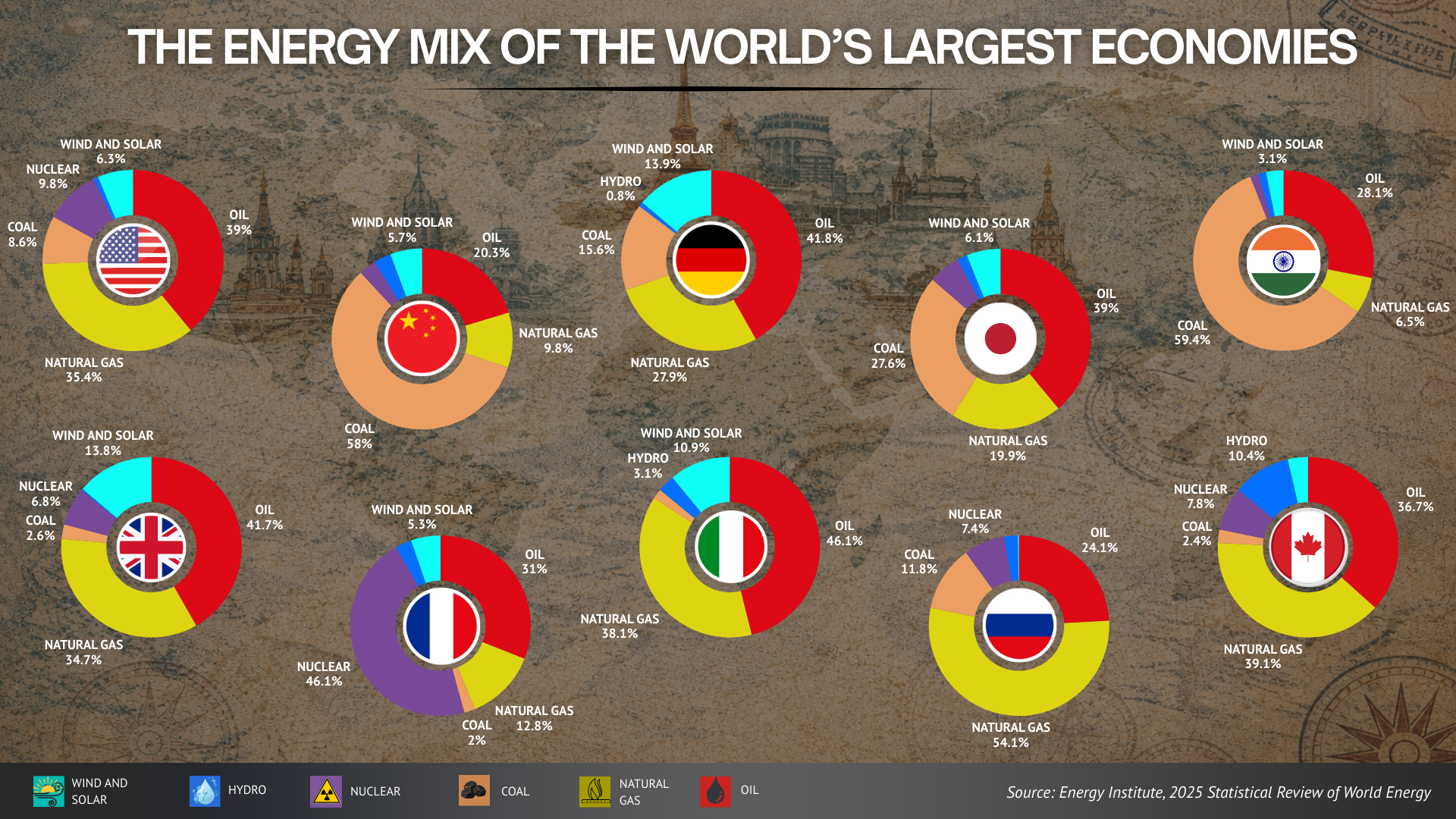
The Energy Mix of the World’s Largest Economies Trends
The energy mix of the world’s largest economies reveals how governments balance sustainability, growth, and stability. For HNWI investors and…
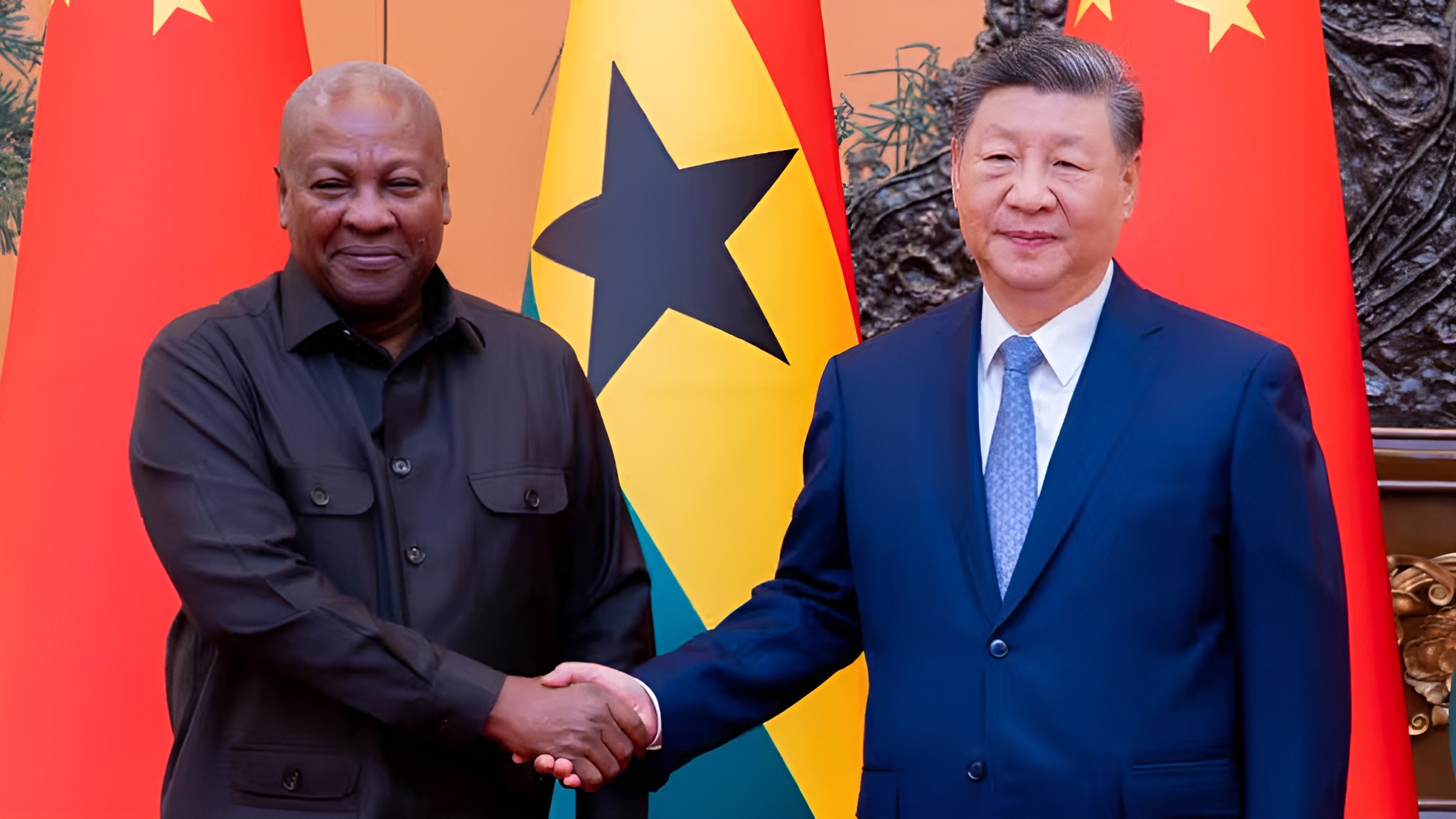
$14.1B China–Ghana Trade Growth Signals Opportunity for Global Investors
China–Ghana trade reaching $14.1 billion signals rising investor confidence in West Africa. For HNWIs and global entrepreneurs, this milestone highlights…
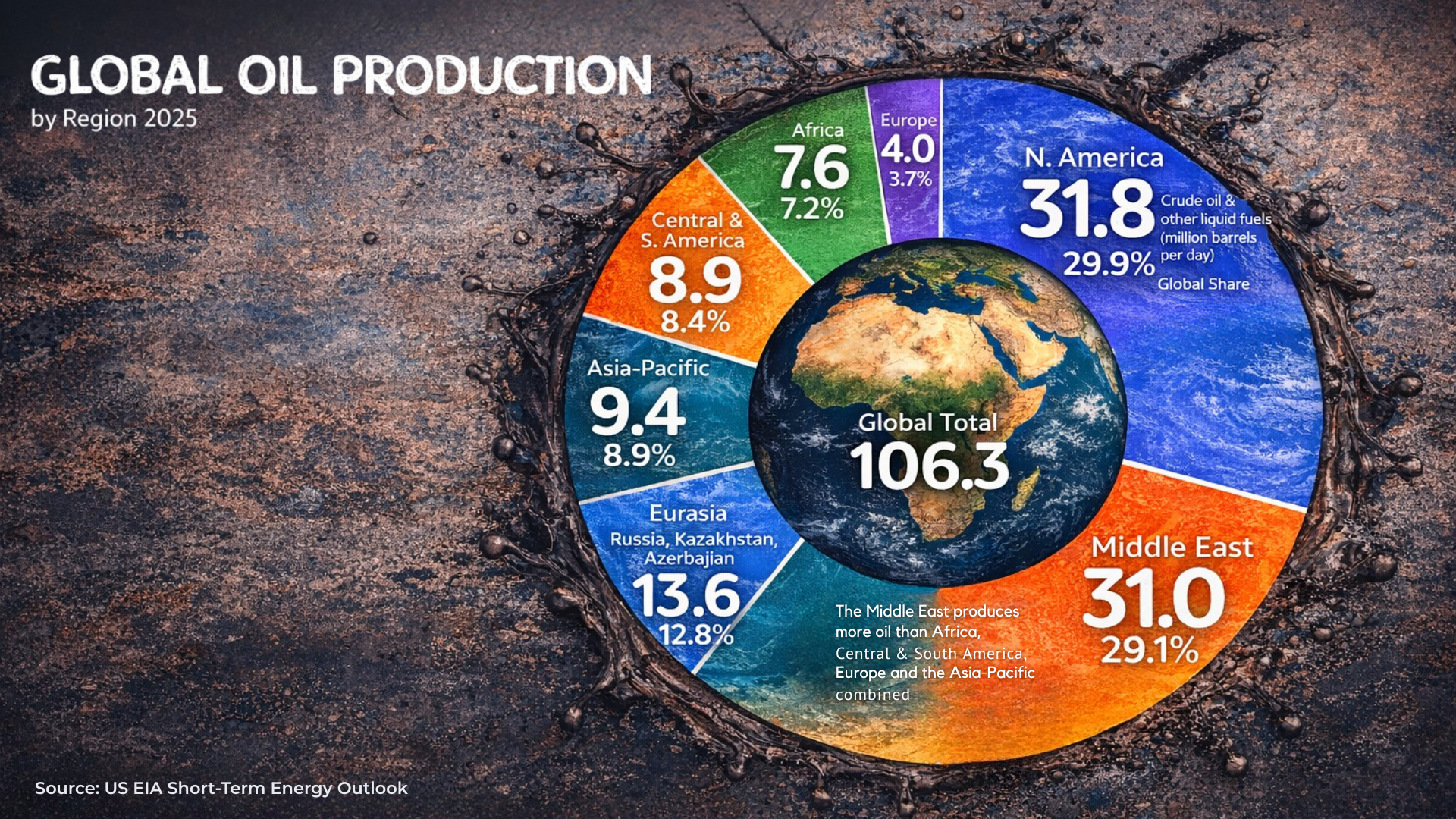
Global Oil: Where the World’s Oil Comes From by Region
Understanding where the world’s oil comes from by region reveals more than energy statistics. It highlights economic power centers shaping…