
From Western Dominance to a Multipolar Economy (1980–2025)
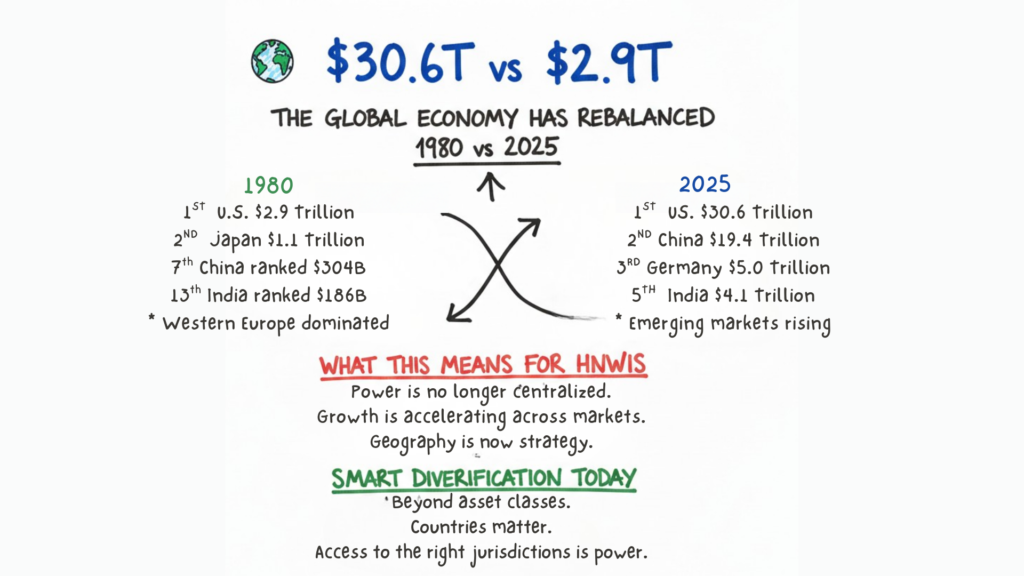
From Western dominance to a multipolar economy (1980–2025), the global system has undergone one of the most significant structural shifts in modern history. Economic power no longer sits in a single region. Instead, influence now spreads across multiple growth engines, currencies, and political centers. For high-net-worth individuals, business owners, and global investors, this transformation demands strategic adjustment rather than passive observation.
The Global Landscape in 1980
At the start of the 1980s, the world economy revolved largely around the United States and Western Europe. America led with a GDP of $2.9 trillion. Japan followed at $1.1 trillion, while Germany, France, and the United Kingdom anchored European strength. Meanwhile, China ranked seventh globally, and India remained outside the top tier of economic power.
During that period, capital flows followed predictable paths. Investment portfolios leaned heavily toward U.S. equities and European assets. Risk models assumed that Western markets would continue to dominate global growth. As a result, diversification often meant spreading capital across asset classes rather than across jurisdictions.
However, long-term cycles rarely remain static.
The Rise of a Multipolar Structure
By 2025, the economic map looks fundamentally different. The United States has expanded to $30.6 trillion, maintaining its leadership position. Yet China now stands at $19.4 trillion, firmly established as a global powerhouse. India has surged to $4.1 trillion and continues to grow at a rapid pace. Germany remains influential at $5.0 trillion, while emerging markets increasingly shape global consumption and trade.
This shift represents redistribution, not decline. Western economies remain powerful, but they no longer operate alone at the top. Several regions now drive global momentum simultaneously.
Consequently, the global economy functions as a multipolar system. Multiple centers influence capital markets, monetary policy, trade flows, and innovation. No single country dictates the global trajectory.
Why This Shift Matters for Investors
Structural changes in economic power inevitably affect wealth strategy. Investors who concentrate exposure in one geography risk overlooking new growth engines. Moreover, currency divergence has intensified as central banks respond to domestic conditions rather than synchronized global cycles.
Business owners face additional complexity. Supply chains stretch across continents. Consumer demand increasingly originates in Asia and emerging markets. Energy policy in the Middle East influences global pricing. Meanwhile, technological innovation spans Silicon Valley, Shenzhen, Bangalore, and beyond.
Therefore, wealth preservation requires a broader lens.
Rethinking Diversification
Traditionally, diversification meant allocating across equities, bonds, real estate, and alternative assets. While asset allocation remains essential, it does not fully address geographic and jurisdictional risk in a multipolar economy.
A more resilient framework includes three layers.
Geographic Allocation
Exposure to multiple economic regions reduces dependence on a single cycle. North America, Europe, Asia-Pacific, and select emerging markets each move at different speeds. When one region slows, another may accelerate.
Balanced geographic allocation cushions volatility.
Currency Positioning
Exchange rates directly affect purchasing power and investment returns. In a world where interest rate policies diverge, currency risk becomes more pronounced. Holding assets in multiple strong currencies mitigates concentration risk.
Currency strategy now sits at the center of sophisticated portfolio construction.
Jurisdictional Diversification
Legal frameworks vary widely. Property rights, tax regimes, and regulatory stability differ across countries. Consequently, access to more than one jurisdiction enhances flexibility and reduces exposure to localized political shifts.
Forward-thinking investors increasingly integrate cross-border planning into their long-term structures.
The Role of Capital Mobility
Capital has become highly mobile. Governments compete to attract credible international investors, while compliance standards have strengthened to ensure transparency and due diligence. Enhanced regulatory frameworks signal maturity rather than restriction.
Greater scrutiny increases legitimacy. For serious investors, this institutionalization builds confidence in structured global planning mechanisms.
Mobility, therefore, serves as a strategic tool. Access to multiple jurisdictions supports asset protection, business expansion, and generational planning. Rather than reacting to instability, globally positioned families maintain optionality.
Economic Cycles and Structural Realignment
Every global transition unfolds over decades. The period between 1980 and 2025 demonstrates how demographic shifts, technological advances, and policy reforms reshape economic leadership.
Asia’s industrial expansion transformed manufacturing supply chains. India’s demographic advantage fuels consumption and services growth. Meanwhile, Western economies continue to lead in innovation, finance, and institutional strength.
As these forces interact, influence disperses.
Importantly, multipolarity does not imply fragmentation. Instead, it signals balance. Multiple growth engines create interconnected opportunity. Nevertheless, interconnected systems require disciplined risk management.

Implications for Business Strategy
Corporate leaders must adapt as well. Revenue streams increasingly depend on diversified markets. Regulatory compliance spans multiple jurisdictions. Currency exposure affects profitability.
Accordingly, businesses benefit from:
- Multi-regional market presence
- Cross-border banking relationships
- Flexible operational structures
- Forward-looking tax and legal planning
Strategic expansion across regions strengthens resilience.
Generational Wealth in a Multipolar Era
Long-term wealth planning extends beyond market performance. Estate planning, asset protection, and succession strategies must consider geopolitical dynamics.
Families who structure holdings across stable jurisdictions gain flexibility. Education access, lifestyle mobility, and diversified banking relationships further enhance stability.
In addition, strong compliance standards across global mobility frameworks reinforce trust. Transparent due diligence and regulatory cooperation elevate program credibility. For investors seeking long-term security, this institutional maturity provides reassurance.
Contact us if you are interested in Citizenship by Investment
Our expert advisors will have a 1-on-1 consultation to find the best solutions for you and your family and guide you through the procedure.
Preparing for the Next Decade
Looking ahead, demographic momentum in Asia, technological leadership in the United States, and capital deployment in the Middle East will continue to shape global markets. Simultaneously, Europe’s regulatory environment and industrial base remain influential.
Given these dynamics, concentration risk becomes increasingly imprudent.
Instead of relying on prediction, investors benefit from structural positioning. Geographic diversification, currency exposure management, and jurisdictional flexibility collectively strengthen portfolios.
Balanced exposure does not eliminate volatility. However, it enhances adaptability.
Strategic Alignment in a Changing World
Between 1980 and 2025, the global system evolved from Western dominance to a multipolar economy. Economic power redistributed across regions, creating both complexity and opportunity. Investors who recognize this transformation can position capital accordingly.
Disciplined planning, global diversification, and cross-border structuring now define modern wealth strategy. In a multipolar global economy, resilience depends on preparation rather than assumption.
As economic influence spreads across continents, strategic positioning must follow. Those who align their portfolios and business structures with this new reality stand better prepared for the decades ahead. If your objective is to safeguard capital and secure long-term flexibility, aligning your strategy with the multipolar economy is no longer optional. It is essential.
Frequently Asked Questions
Related Articles

Beijing Is Watching Your Wealth; Turkey Offers a Legal Pathway
In an era of rising financial scrutiny, global investors are taking action. Discover why 89% of Chinese HNWIs are exploring…
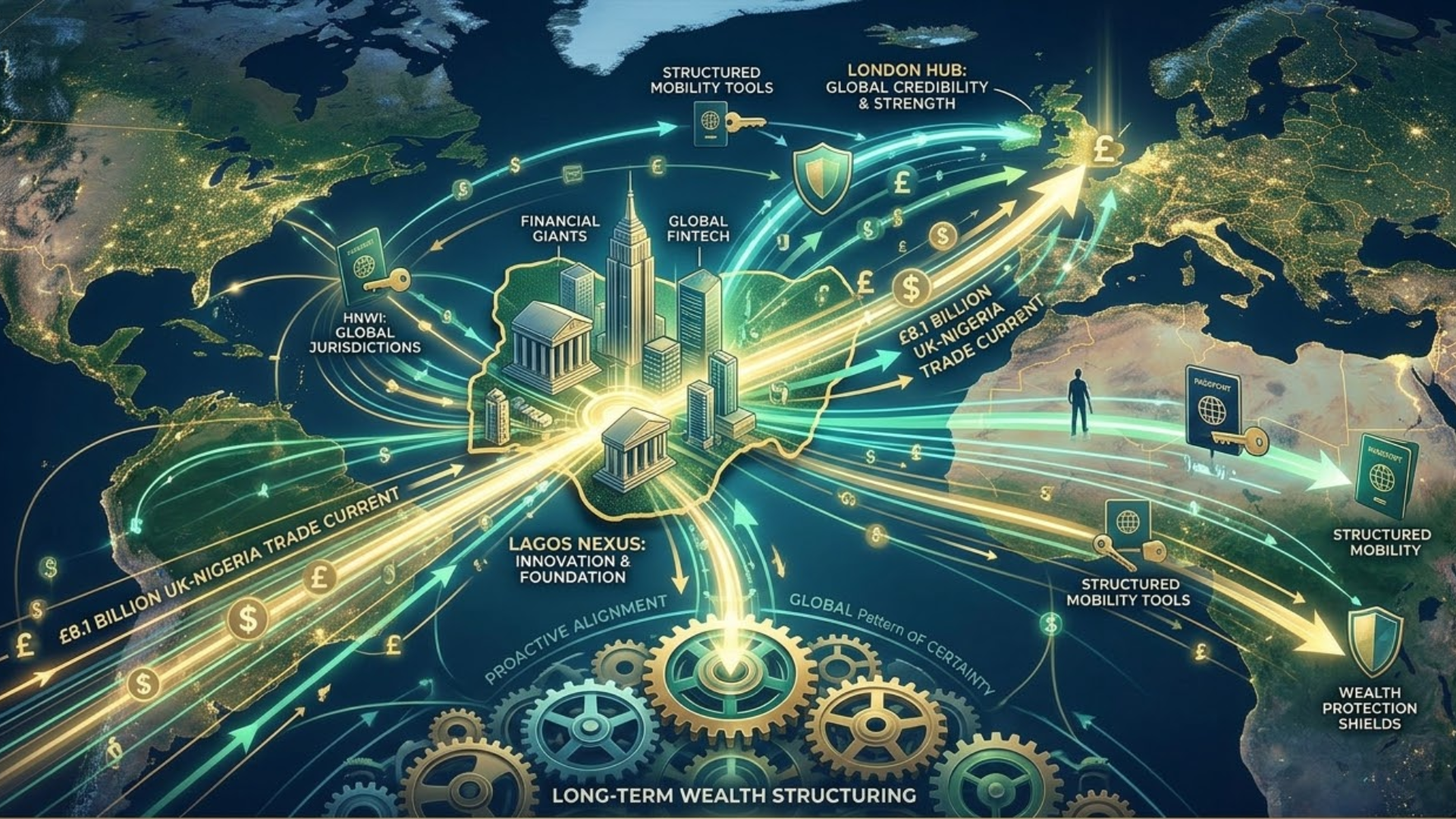
£8.1B UK-Nigeria Trade: Nigerian Fintech and Banks Go Global
UK-Nigeria trade growth reaching £8.1B highlights a shift in global capital movement. Nigerian fintech and banks are expanding into the…
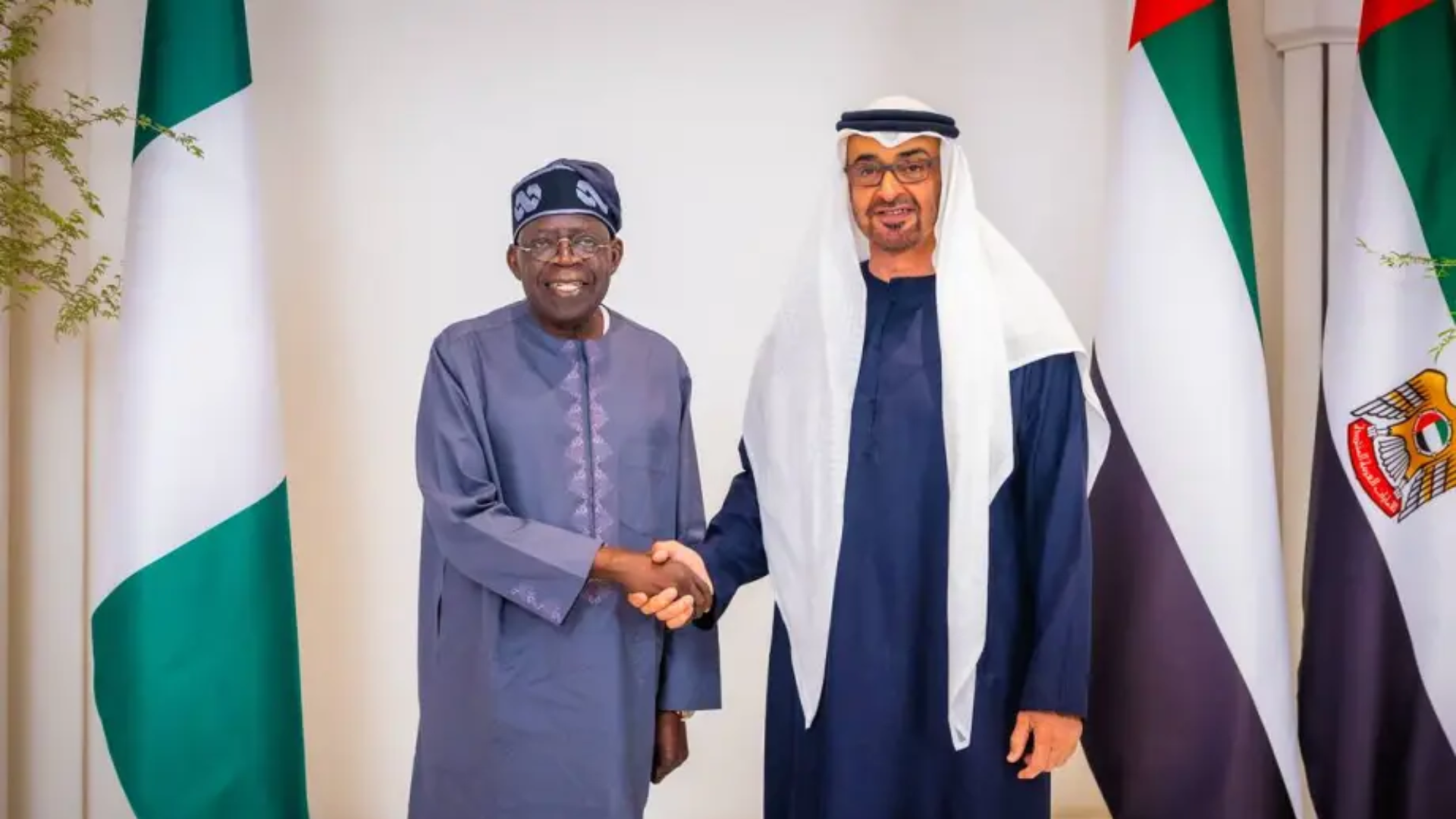
$200M Nigeria-UAE Agreement Signals Investor Confidence
The Nigeria UAE agreement marks a major shift in global investment strategy. With $200 million committed to technology and infrastructure,…
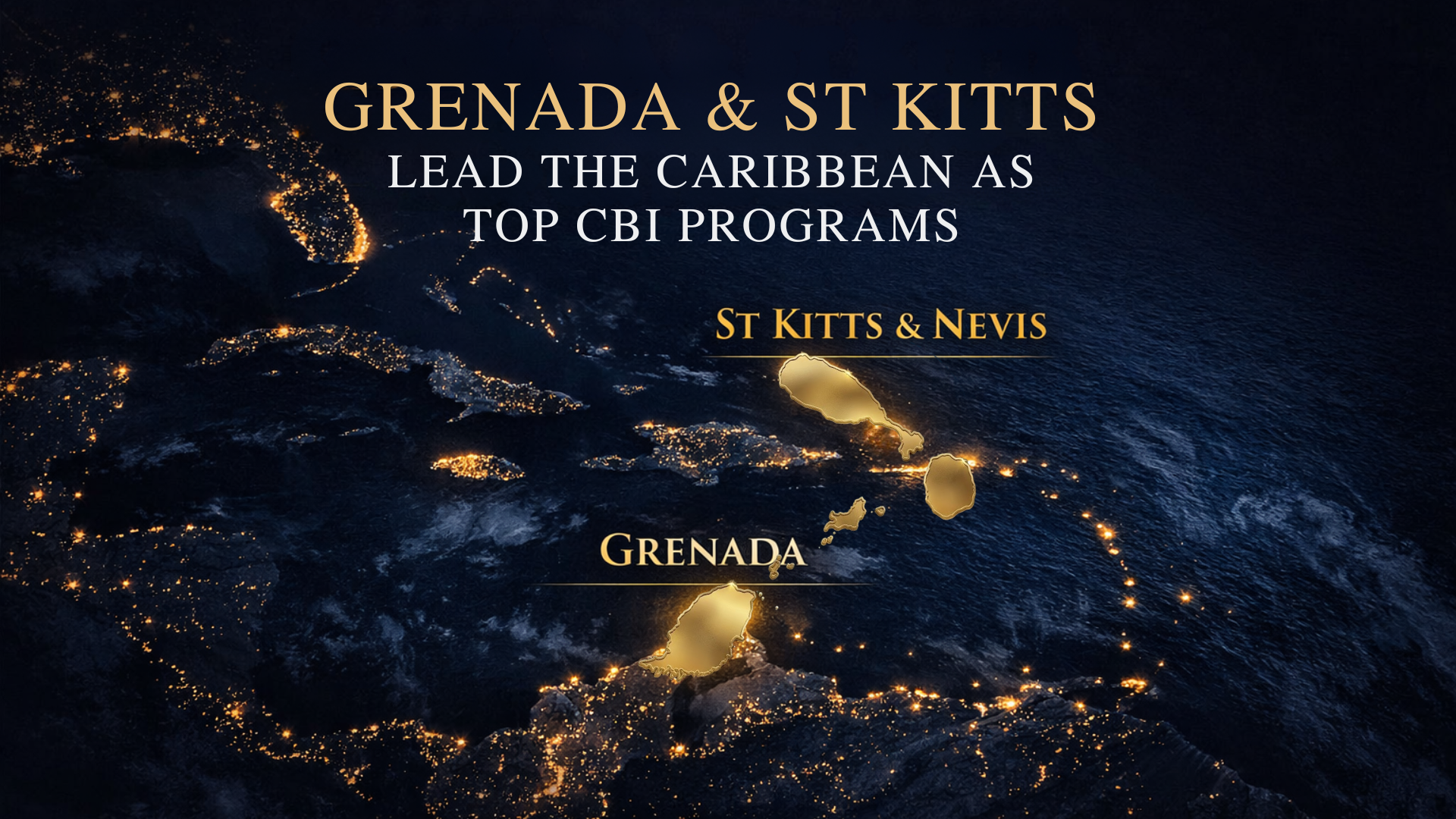
Grenada and St Kitts Lead Global Demand in CBI Programs
Grenada and St Kitts Citizenship by Investment programs continue to lead as global demand rises. HNWI are turning to proven…
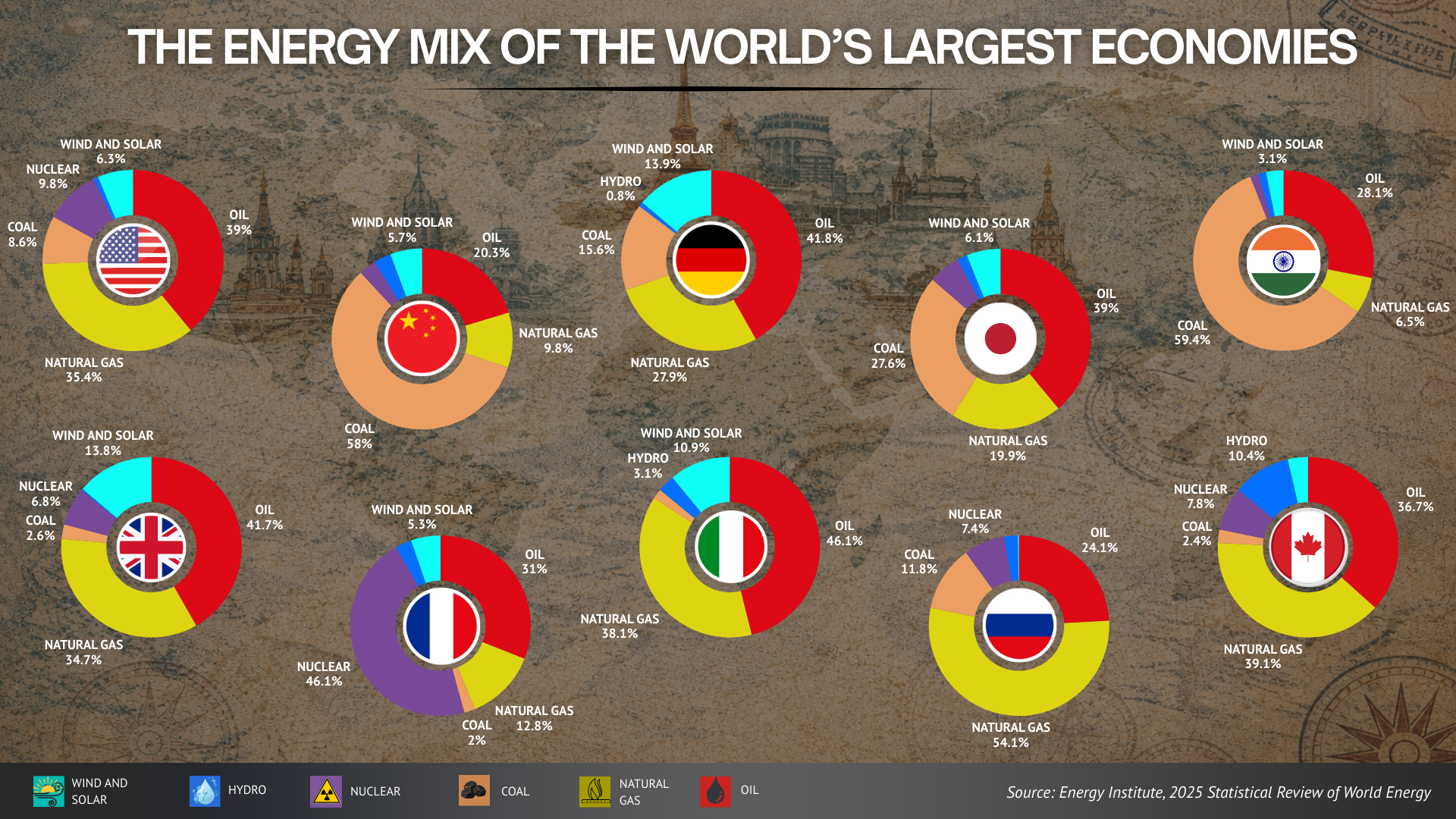
The Energy Mix of the World’s Largest Economies Trends
The energy mix of the world’s largest economies reveals how governments balance sustainability, growth, and stability. For HNWI investors and…
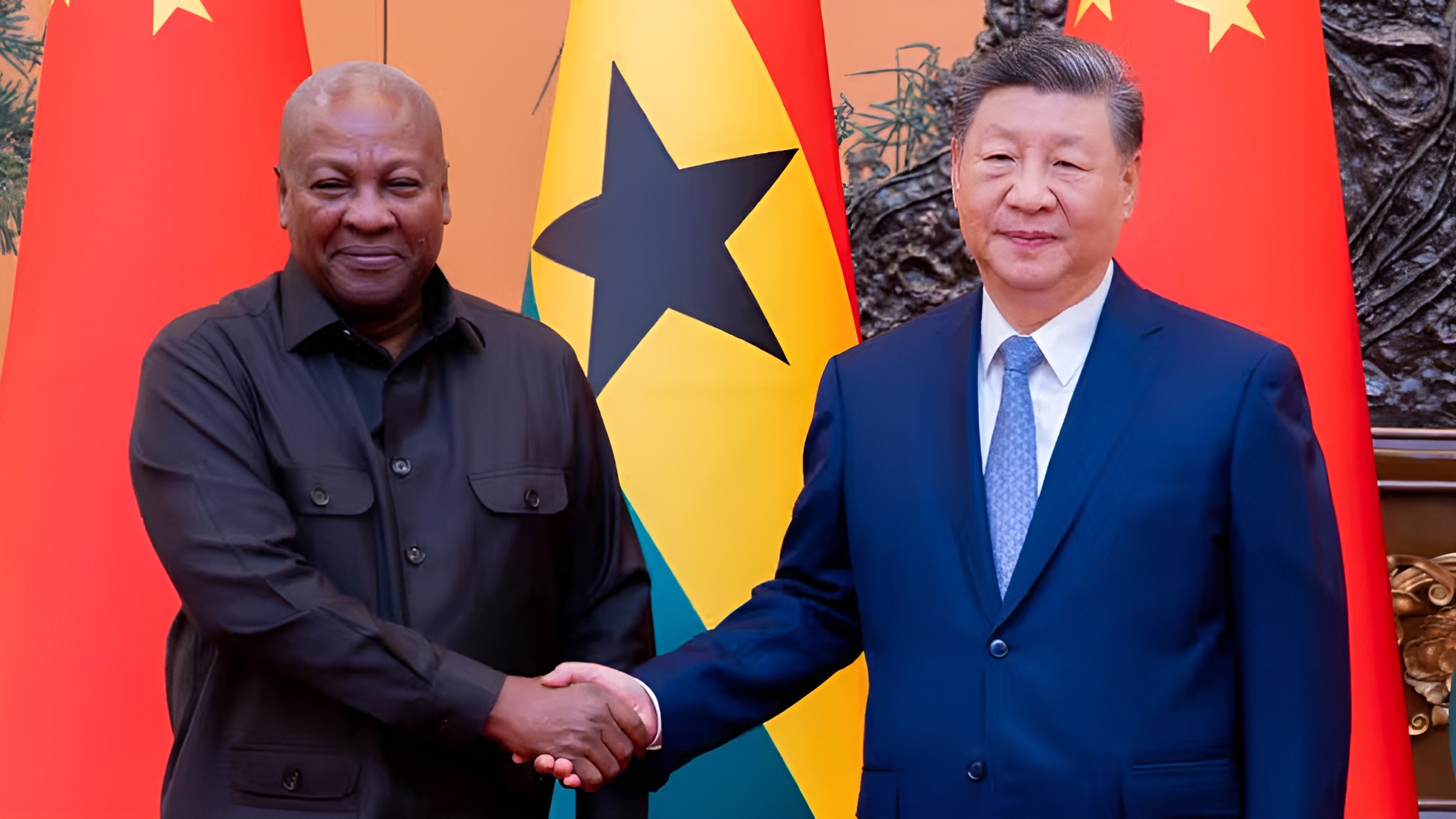
$14.1B China–Ghana Trade Growth Signals Opportunity for Global Investors
China–Ghana trade reaching $14.1 billion signals rising investor confidence in West Africa. For HNWIs and global entrepreneurs, this milestone highlights…
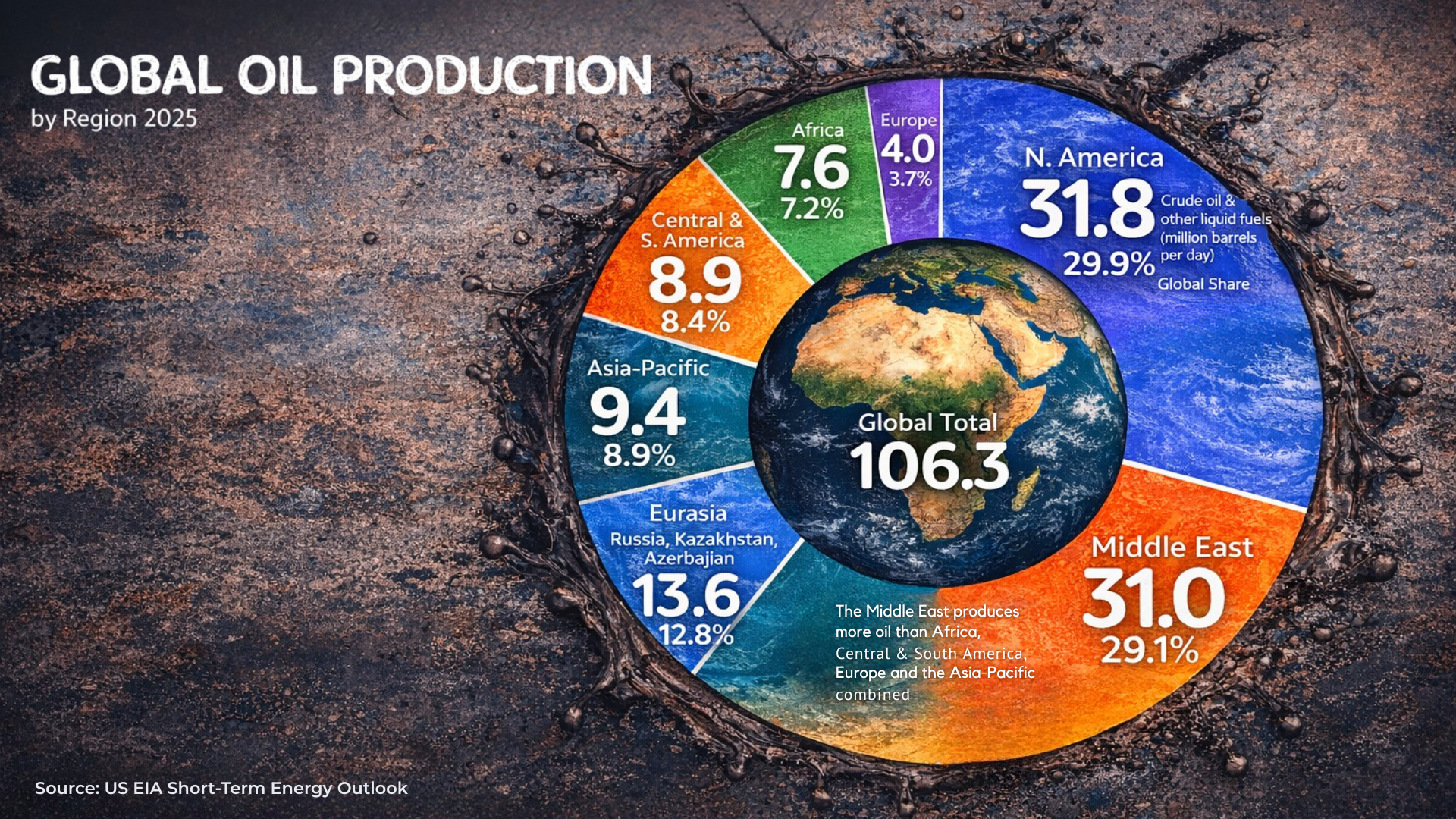
Global Oil: Where the World’s Oil Comes From by Region
Understanding where the world’s oil comes from by region reveals more than energy statistics. It highlights economic power centers shaping…