
The Energy Mix of the World’s Largest Economies Trends
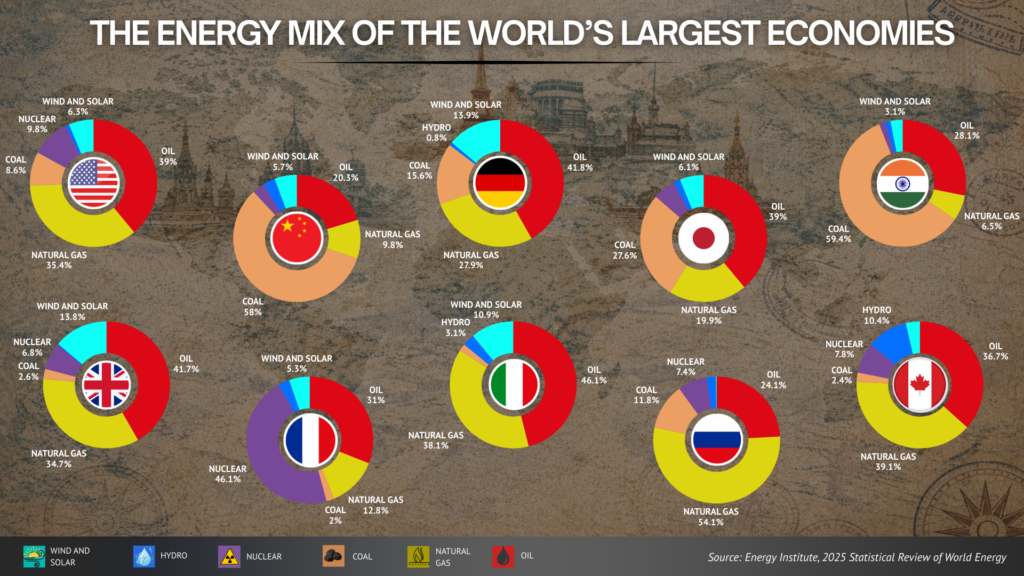
Understanding the Energy Mix of the World’s Largest Economies
The energy mix of the world’s largest economies reveals important insights for HNWI investors, business owners, and global entrepreneurs. Energy powers industries, trade, technology, and infrastructure. Therefore, the way leading economies generate and consume energy reflects deeper economic priorities such as stability, growth, and long-term planning.
Recent data shows that fossil fuels still dominate the global energy system, even as renewable energy expands rapidly. Oil continues to power transportation and industry in many developed economies. Meanwhile, coal remains essential for large industrial nations such as China and India. Renewable energy sources, including wind, solar, and hydropower, continue to grow but they currently complement existing systems rather than fully replace them.
For global investors and HNWIs, this energy mix tells a larger story. The global economy is transitioning toward cleaner energy while maintaining stability in supply chains and economic growth.
This balanced approach sends a powerful signal to investors who prioritize stability and long-term economic confidence.
Why Energy Strategy Matters to Investors
Energy influences almost every sector of the global economy. Manufacturing, transportation, logistics, and digital infrastructure all rely on reliable energy supply.
For investors and business owners, energy trends shape several critical factors:
- Global supply chain resilience
- Long-term economic stability
- Industrial competitiveness
- Infrastructure investment opportunities
- Policy and regulatory developments
When the world’s largest economies adjust their energy strategies carefully, they help maintain confidence in global markets. Rapid disruption could destabilize industries and investment environments. Instead, measured transitions allow economies to protect growth while introducing new technologies.
For HNWIs managing diversified portfolios across borders, this stability provides reassurance. Markets remain predictable, industries continue to operate efficiently, and long-term investments remain viable.
The Reality Behind the Global Energy Transition
Public discussions often portray the global energy transition as a rapid shift away from fossil fuels. However, the reality is more nuanced.
Many major economies rely on established infrastructure built over decades. These systems cannot change overnight without risking economic disruption.
Instead, countries pursue a gradual transformation that integrates renewable energy while maintaining reliable supply.
Consider several key patterns visible across the largest economies:
- Oil remains a dominant energy source in many advanced economies due to transportation and industrial demand.
- Coal continues to support heavy manufacturing in rapidly growing economies.
- Natural gas plays a transitional role by providing flexible power generation.
- Renewable energy expands quickly as governments invest in sustainability goals.
This layered approach allows economies to modernize their energy systems while maintaining economic growth.
From an investor perspective, such strategic transitions reduce uncertainty and protect long-term investment opportunities.
Energy Stability and Global Economic Confidence
Energy security has always played a central role in economic stability. Countries that maintain stable energy supplies protect industrial productivity and consumer confidence.
Large economies understand this relationship clearly. As a result, they prioritize energy diversification rather than abrupt shifts.
Diversification helps economies achieve several objectives:
- Reduced exposure to supply disruptions
- Improved resilience during geopolitical tensions
- Increased energy security
- Sustainable long-term growth
This philosophy mirrors the way experienced investors manage risk.
HNWI investors often diversify across asset classes, industries, and jurisdictions to protect wealth over time. The same principle now applies at the national level through diversified energy portfolios.
Countries that diversify energy sources strengthen their resilience in an unpredictable global environment.
The Strategic Perspective for HNWI Investors
High net worth individuals and globally active business owners often think beyond traditional investments. Strategic planning increasingly includes considerations such as political stability, mobility, and jurisdictional diversification.
Global economic trends highlight why these considerations matter.
The world continues to experience geopolitical shifts, regulatory changes, and evolving economic alliances. Investors who operate internationally benefit from flexible mobility and access to multiple jurisdictions.
This is where broader strategic planning enters the picture.
Many international investors view Citizenship by Investment programs as part of their long-term planning strategy. These programs offer qualified investors an opportunity to obtain citizenship in countries that value global investment and economic development.
For HNWIs, the benefits often extend beyond travel convenience. A second citizenship can support several long-term objectives:
- Enhanced global mobility for business and family
- Access to additional jurisdictions during uncertainty
- Greater flexibility for international investments
- Diversification of personal and financial exposure
Just as global economies diversify energy sources to strengthen resilience, sophisticated investors diversify their global footprint to protect wealth and opportunities.
Energy Transition and Long-Term Opportunity
The global shift toward cleaner energy will continue to evolve over the coming decades. Renewable technologies will expand, infrastructure will modernize, and new industries will emerge.
However, the transition will likely remain gradual rather than immediate.
This measured pace creates opportunities for investors who understand long-term trends. Infrastructure development, energy innovation, and sustainability investments continue to attract capital worldwide.
For HNWIs and global entrepreneurs, the key insight lies in preparation rather than reaction.
Forward-looking investors analyze macroeconomic trends such as energy policy, economic resilience, and global mobility. They then build strategies that align with these developments.
This mindset allows investors to adapt to change while protecting long-term stability.
Global Mobility and Strategic Planning
Economic resilience increasingly intersects with personal mobility. International business leaders often operate across multiple markets and jurisdictions.
Travel flexibility, legal security, and international access all influence how investors manage global operations.
Citizenship by Investment programs have emerged as one tool within this broader strategic framework. These programs enable investors to secure citizenship in countries that actively welcome global capital and international entrepreneurs.
The appeal lies in long-term flexibility. A second citizenship can offer:
- Greater international mobility
- Expanded opportunities for global business
- Jurisdictional diversification
- Additional security for families and assets
For many HNWIs, this represents a proactive approach to global uncertainty.
Rather than waiting for external changes, investors position themselves strategically for future opportunities.
Why the Energy Mix Reflects Global Trust
The energy mix of the world’s largest economies reflects more than infrastructure choices. It demonstrates how governments balance sustainability, economic growth, and long-term stability.
Countries that manage this balance effectively strengthen investor confidence and economic resilience.
For HNWIs and global business leaders, this environment reinforces the importance of strategic diversification.
Energy systems diversify to protect economies. Investment portfolios diversify to protect wealth. Mobility strategies diversify to protect personal and business opportunities.
In a world shaped by rapid economic and geopolitical change, forward-thinking investors increasingly prioritize resilience.
Understanding global trends such as the energy mix of the world’s largest economies helps investors anticipate the direction of global markets and prepare accordingly.
Contact us if you are interested in Citizenship by Investment
Our expert advisors will have a 1-on-1 consultation to find the best solutions for you and your family and guide you through the procedure.
Explore Strategic Mobility Opportunities
Global investors continue to look for ways to strengthen long-term stability, mobility, and access to international opportunities.
Citizenship by Investment programs provide one potential pathway for HNWIs seeking greater flexibility and global reach.
If expanding global mobility and securing a strategic Plan B aligns with long-term wealth planning goals, exploring available citizenship options may be worth considering.
Speak with experienced advisors to understand how strategic citizenship solutions can support international investment strategies and long-term family security.
Frequently Asked Questions
Related Articles

Beijing Is Watching Your Wealth; Turkey Offers a Legal Pathway
In an era of rising financial scrutiny, global investors are taking action. Discover why 89% of Chinese HNWIs are exploring…
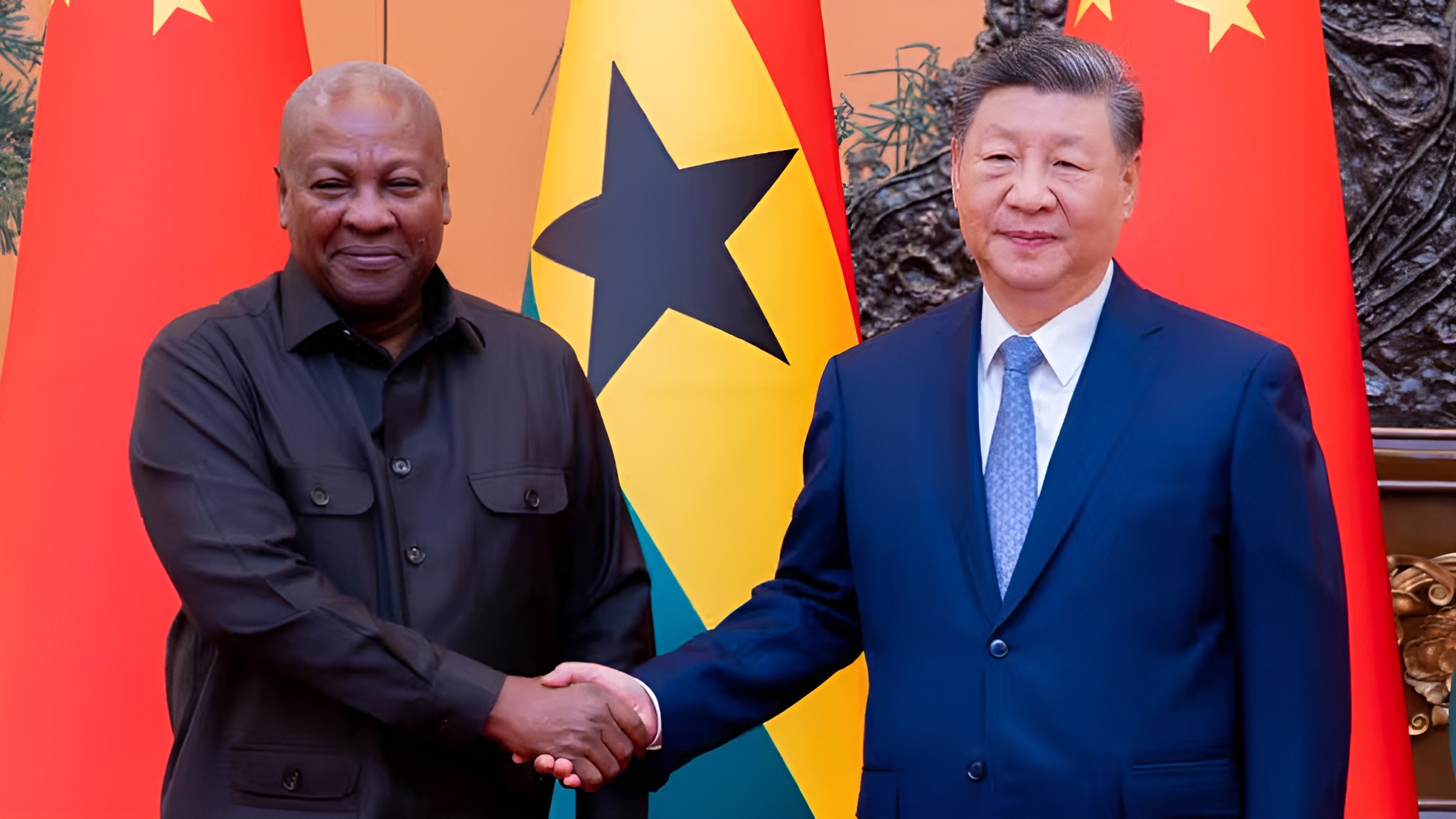
$14.1B China–Ghana Trade Growth Signals Opportunity for Global Investors
China–Ghana trade reaching $14.1 billion signals rising investor confidence in West Africa. For HNWIs and global entrepreneurs, this milestone highlights…
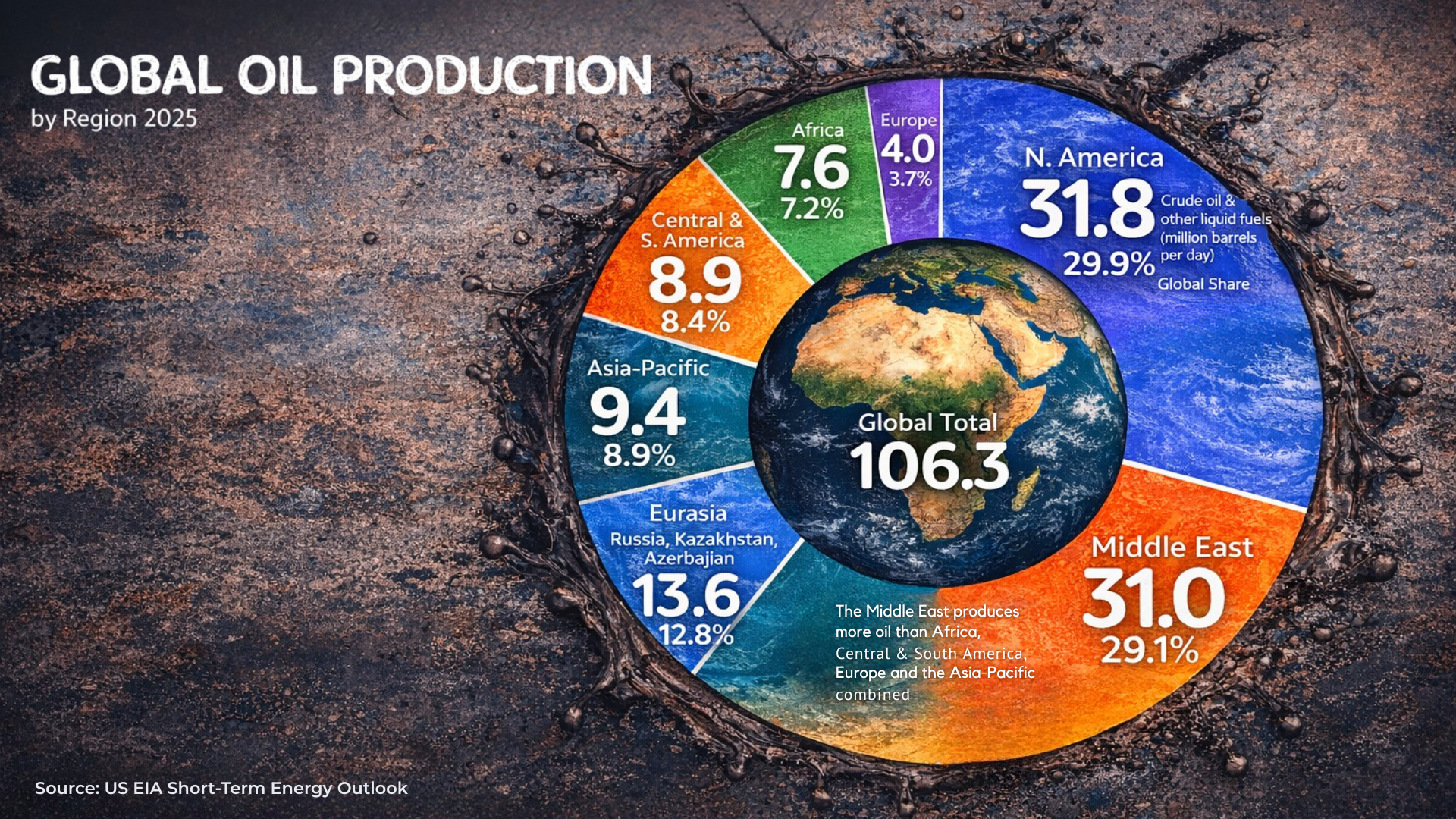
Global Oil: Where the World’s Oil Comes From by Region
Understanding where the world’s oil comes from by region reveals more than energy statistics. It highlights economic power centers shaping…

The USA Moves to Challenge Sharia Law Policies in Nigeria
The United States has introduced legislation addressing Sharia law policies in Nigeria, increasing international scrutiny on governance and religious freedom….
South Africa Infrastructure Gains $350M World Bank Support
The World Bank $350 million investment in South Africa infrastructure signals growing global confidence in the country’s economic future. For…
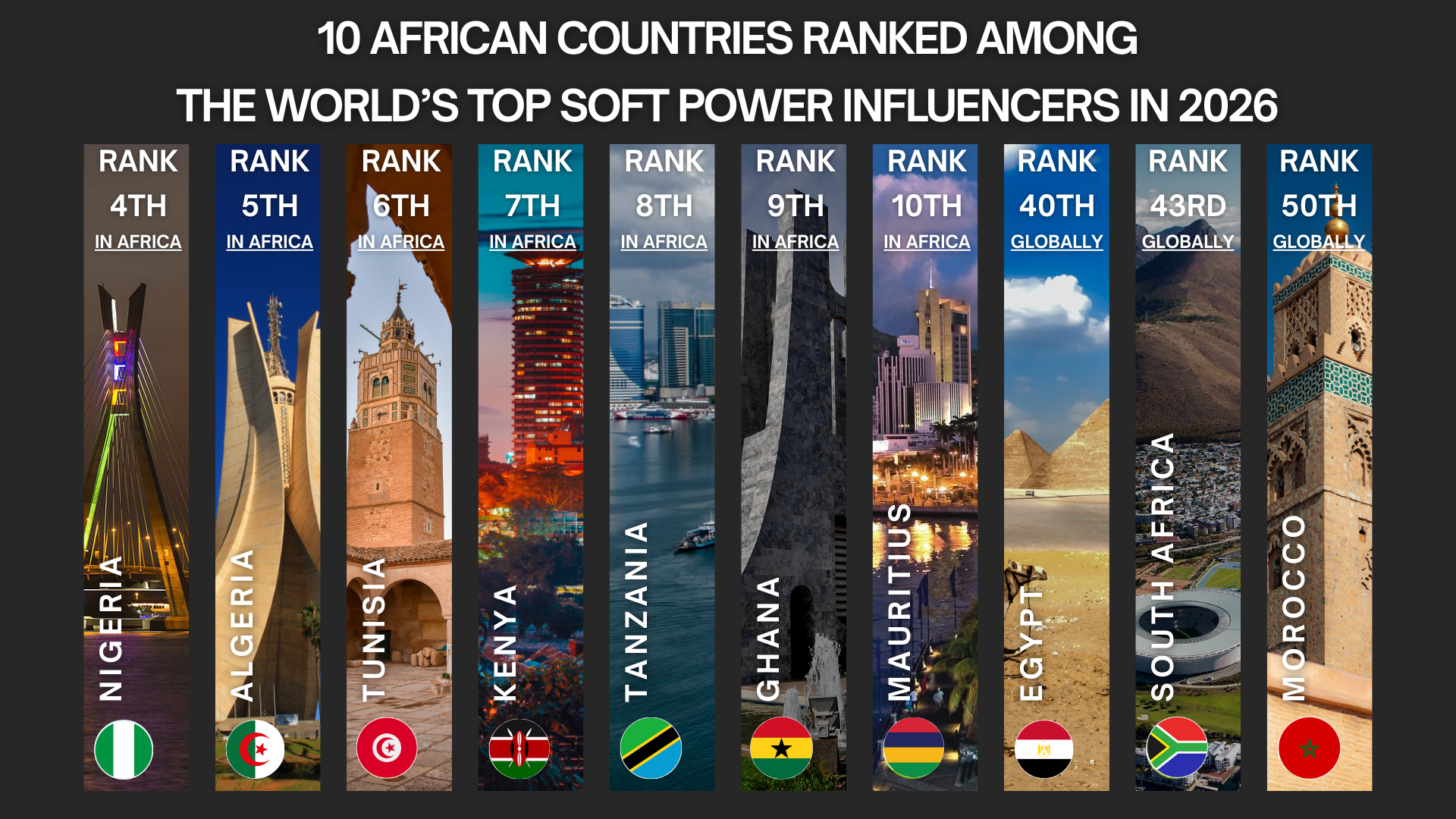
10 African Countries Leading Global Soft Power in 2026
Africa’s global influence continues to grow. The African soft power 2026 ranking highlights ten nations shaping global perception through culture,…
African Citizenship by Investment for Strategic Global Investors
African citizenship by investment is gaining attention among global investors seeking diversification, mobility, and access to emerging markets. As African…