
St Kitts & Nevis to Add Physical Residency to CBI Program in 2026
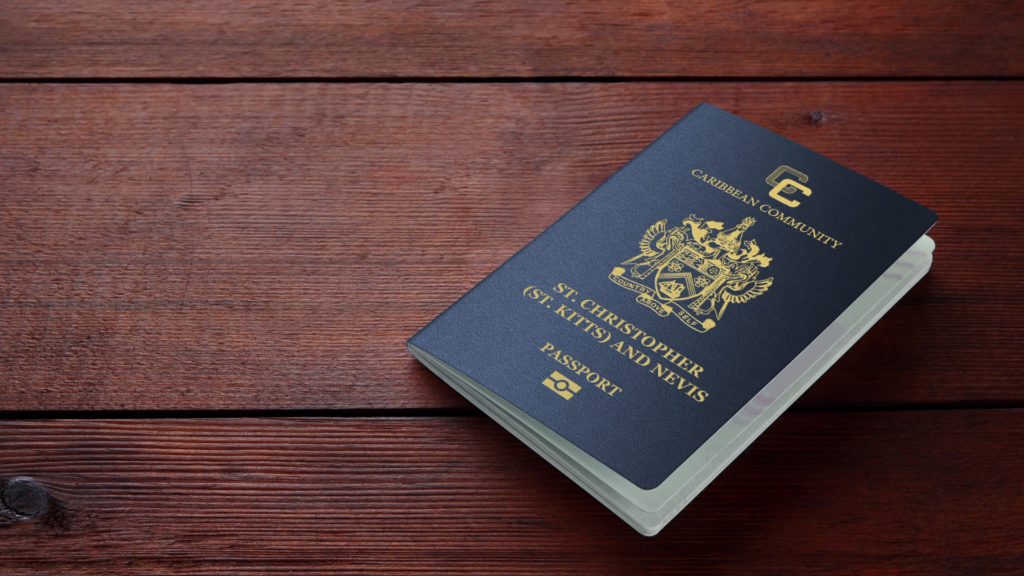
The landscape of global citizenship is changing and St. Kitts & Nevis is leading that change with a bold and future-focused update to its Citizenship by Investment (CBI) programme. Starting in 2026, the country will implement a physical residency requirement for all new CBI applicants.
For investors, entrepreneurs, and high-net-worth individuals seeking second citizenship, this shift marks a significant evolution in the way citizenship is granted, not just in St. Kitts & Nevis, but across the industry. And contrary to initial perceptions, this isn’t a limitation. It’s an upgrade in quality, trust, and long-term value.
This article explores what the new residency requirement means, why it’s being introduced, how it affects future applicants, and why it may actually make the St. Kitts & Nevis CBI programme more attractive for the right investor.
Understanding the CBI Programme in St. Kitts & Nevis
Established in 1984, the St. Kitts & Nevis Citizenship by Investment programme is the longest-running in the world. Over the years, it has gained a strong reputation for offering efficient access to second citizenship, global mobility, and investment opportunities, all without requiring applicants to live in or even visit the country.
This model has been widely popular, particularly among global entrepreneurs, investors, and individuals from regions with limited travel access or economic instability. It allowed freedom, privacy, and ease.
But global expectations are shifting and so are the rules.
What’s Changing in 2026?
In response to growing international scrutiny and evolving global standards, St. Kitts & Nevis is introducing a mandatory physical residency component for CBI applicants. This requirement is expected to include:
- A minimum number of days physically spent in the country before or after approval.
- Stronger due diligence protocols, including biometric identification and in-person interviews.
- An emphasis on building a “genuine link” between the applicant and the nation.
The specifics, such as exact duration of stay and mechanisms for enforcement, are expected to be finalized in the upcoming legal framework. However, the direction is clear: the programme is moving toward a more engaged, connection-based model of citizenship.
Why This Change Matters
1. Strengthening Global Credibility
The addition of a residency requirement shows that St. Kitts & Nevis is committed to upholding the integrity of its programme. It signals to other governments and international institutions that citizenship is not being given away, it’s being earned through meaningful engagement.
For investors, this offers peace of mind. A passport backed by a credible, transparent process is more likely to retain and even grow, in value over time.
2. Aligning with International Standards
Governments around the world, particularly in the EU and North America, have raised concerns over the ease with which economic citizenship can be obtained. By incorporating physical presence and deeper due diligence, St. Kitts & Nevis is aligning its programme with what is expected of modern, secure, and ethical immigration frameworks.
This reduces the risk of future visa restrictions or international backlash, a key concern for anyone investing in a second citizenship for mobility or asset protection.
3. Creating Long-Term Engagement
Requiring investors to spend time in the country fosters a real connection, not just with the land, but with the people, the economy, and the culture. This opens up genuine opportunities for business development, property investment, and even community involvement.
It also aligns with the interests of serious investors who aren’t just looking for a “paper passport,” but want to diversify their global presence, access new markets, and expand their personal or family legacy.
How This Impacts Future Applicants
If you’re planning to apply for St. Kitts & Nevis citizenship through investment, here’s what you need to know:
Short-Term (Before 2026):
- Applications can still be submitted under the current framework, which does not require physical residency.
- This window presents an opportunity for investors who prefer a more remote process to secure citizenship before the changes take effect.
Long-Term (From 2026 Onward):
- All applicants will need to comply with the new physical residency criteria.
- You may be required to visit the country one or more times, stay for a certain period, or demonstrate deeper ties through business or social engagement.
- New due diligence and security protocols will likely increase the timeline and complexity of the application.
While this may mean more planning and commitment, it also improves the long-term sustainability of your citizenship status and passport strength.
How This Impacts Future Applicants
Investors Seeking Stability and Reputation
For individuals who prioritize reputation over convenience, this reform is a positive step. It aligns St. Kitts & Nevis with the world’s most respected migration programs, offering assurance that the citizenship you hold is earned through responsible, legitimate means.
Business Owners Exploring New Markets
A requirement to spend time in St. Kitts & Nevis could open the door to real commercial opportunities. From tourism and real estate to financial services and green energy, the country presents a stable, English-speaking base in the Caribbean with access to international markets.
Families Building a Legacy
Second citizenship is often about more than access, it’s about securing a future. These reforms add weight and significance to that investment, ensuring that future generations inherit not just a passport, but a meaningful affiliation with a country that values its citizens.

Why This Reform Is Good for the Industry
The CBI industry is evolving from a transactional model to a value-driven model. Governments are learning that high-quality applicants want more than speed and ease, they want legitimacy, security, and a connection to something real.
By adding a physical residency requirement, St. Kitts & Nevis is:
- Filtering for applicants with serious intent.
- Building stronger ties between investors and the country.
- Enhancing the long-term value of the citizenship it offers.
- Protecting the strength of its passport in the global arena.
This benefits not just the government and citizens of St. Kitts & Nevis, but also the international investors who choose to participate in a programme rooted in quality and commitment.
Contact us if you are interested in Citizenship by Investment
Our expert advisors will have a 1-on-1 consultation to find the best solutions for you and your family and guide you through the procedure.
Moving Forward with Confidence
This upcoming shift is not a restriction, it’s an opportunity to take part in a more transparent, respected, and future-proof model of global citizenship. For those who take a long-term view of their investments, their personal mobility, and their family’s legacy, the updated St. Kitts & Nevis CBI programme could offer more value than ever before.
Explore your options today and take the next step toward global freedom, financial security, and legacy planning.
Whether you’re preparing to act before 2026 or planning a long-term move, aligning with a citizenship programme that values integrity and global credibility is the smart choice.
Contact us today for a confidential consultation with our CBI experts.
Share this blog
Frequently Asked Questions
Related Articles

Beijing Is Watching Your Wealth; Turkey Offers a Legal Pathway
In an era of rising financial scrutiny, global investors are taking action. Discover why 89% of Chinese HNWIs are exploring…
Caribbean Nations to Let Citizens Sell Citizenship to Investors
Caribbean citizenship by investment is gaining attention as a strategic tool for HNWI and global investors. As demand for mobility,…

Rising Restrictions Are Driving Strategic Mobility for Iranian HNWIs
Rising restrictions are reshaping global mobility for Iranian HNWIs. Discover how strategic residency and citizenship planning can protect wealth, ensure…

Ethiopia Introduces 10 Year Golden Visa to Attract Global Investors
Ethiopia’s 10 year Golden Visa signals rising investor confidence in emerging markets. For HNWI and global investors, it offers long…
UK Visa Fee Increase 2026 Signals Changing Global Access for
The UK visa fee increase 2026 signals a shift in global mobility. Rising costs reflect strong demand and growing selectivity….

Kenya China Trade Agreement Strengthens Economic Ties
The Kenya China trade agreement opens duty free access to 98% of exports, strengthening economic ties and investor confidence. For…

Investor Demand Surges Amid Dominica’s Iranian CBI Suspension
Caribbean CBI programs are tightening eligibility, and investors are responding بسرعة. Discover why HNWI are accelerating applications, how Dominica’s recent…