
São Tomé & Príncipe Launches Most Affordable CBI Program

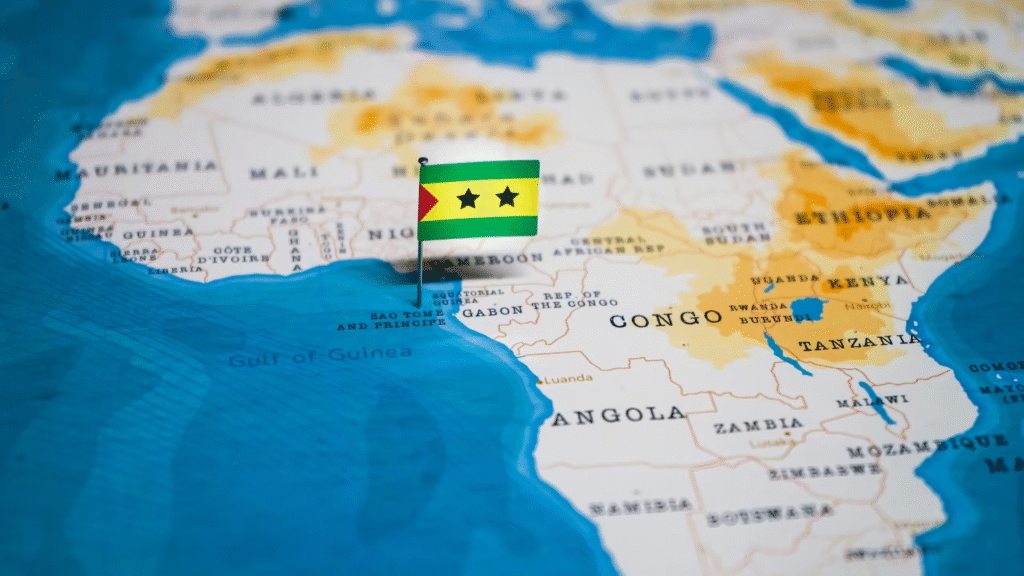
- Geography: An island nation in the Gulf of Guinea, made up of two main islands and several islets.
- Population: Around 230,000 people—small and close-knit.
- Language: Portuguese (reflecting its colonial history).
- Politics: Stable democracy, often praised for peaceful governance compared to regional neighbors.
- Economy: Dependent on cocoa exports, tourism, and now—like many small states—citizenship by investment.
- Investment Type:
Contribution to the National Transformation Fund. - Minimum Investment:
- $90,000 – single applicant
- $95,000 – families of 2 to 4
- +$5,000 per extra dependent
- Flat Application Fee:
$5,000 (regardless of family size). - Other Costs (per person):
- Passport: $350
- National ID: $150
- Certificate of Registration: $250
- Processing Time:
Just six weeks from submission to approval.
- Nationality: Anyone can apply except citizens of North Korea.
- Residency: No requirement to visit or live in the country.
- Language or Tests: None—no interviews, language exams, or cultural knowledge needed.
- Family Inclusion:
- Spouse
- Children under 30 (if unmarried and financially dependent)
- Parents aged 55 or older
- Renewable energy projects
- Education and schools
- Healthcare facilities
- Infrastructure development (roads, ports, airports)
- Tourism and hospitality growth
- Unmatched Affordability:
At $90,000, it is the cheapest CBI option currently available worldwide. Even Nauru’s CBI program starts at $105,000 for a single applicant. - Fast Processing:
Approval in six weeks is among the fastest in the industry. By comparison, some Caribbean programs can take 3–6 months. - Neutral Passport:
The passport is seen as non-political and non-aligned, offering privacy and neutrality for investors who don’t want to be tied to military alliances like NATO. - Future Potential:
As a new program, costs are likely to rise in the future. Many successful CBI programs began cheap but gradually increased fees and restrictions as demand grew.
Contact us if you are interested in Citizenship by Investment
Our expert advisors will have a 1-on-1 consultation to find the best solutions for you and your family and guide you through the procedure.
Conclusion
São Tomé & Príncipe’s US$90,000 Citizenship by Investment program has already positioned itself as a game-changer in the global CBI market.
While the passport itself doesn’t yet rival the Caribbean or European options in terms of travel freedom, its neutrality, cost-effectiveness, and simplicity make it a smart choice for investors seeking a second citizenship as a safety net.
As with all citizenship programs, the early years are the best years to apply. For investors looking for the world’s most affordable entry into second citizenship, São Tomé & Príncipe is worth serious consideration—before prices inevitably rise.
Share this blog
Frequently Asked Questions
Related Articles
Beijing Is Watching Your Wealth; Turkey Offers a Legal Pathway
In an era of rising financial scrutiny, global investors are taking action. Discover why 89% of Chinese HNWIs are exploring…
Investor Demand Surges Amid Dominica’s Iranian CBI Suspension
Caribbean CBI programs are tightening eligibility, and investors are responding بسرعة. Discover why HNWI are accelerating applications, how Dominica’s recent…

What HNWI Need to Know About St Kitts Public Benefit
The St Kitts and Nevis Public Benefit Option offers HNWI a simple, transparent path to second citizenship. By focusing on…
7 European Tax Regimes Attracting Global Wealth in 2026
European tax regimes are reshaping global wealth strategies in 2026. From Cyprus’ non-dom system to Italy’s €300,000 flat tax, investors…

£8.1B UK-Nigeria Trade: Nigerian Fintech and Banks Go Global
UK-Nigeria trade growth reaching £8.1B highlights a shift in global capital movement. Nigerian fintech and banks are expanding into the…

$200M Nigeria-UAE Agreement Signals Investor Confidence
The Nigeria UAE agreement marks a major shift in global investment strategy. With $200 million committed to technology and infrastructure,…
Grenada and St Kitts Lead Global Demand in CBI Programs
Grenada and St Kitts Citizenship by Investment programs continue to lead as global demand rises. HNWI are turning to proven…