
European Citizenship in 2026: Smart Move or Outdated Strategy?
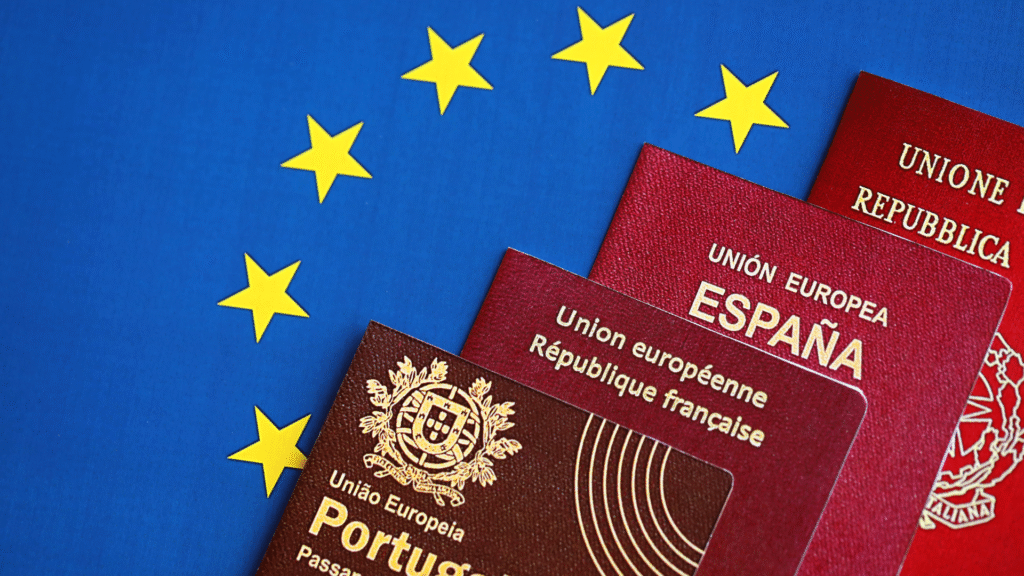
The world is more complex in 2026 than ever before.
From shifting tax policies and tighter regulations to growing geopolitical tension, high-net-worth individuals (HNWIs), investors, and business owners are reevaluating where they live, invest, and safeguard their wealth.
One big question we’re hearing now:
“Is European citizenship still a smart move or is it a legacy play that no longer makes sense?”
The answer? It depends.
European citizenship still holds immense value, especially when used strategically. But it’s not the easy win it used to be. In this article, we’ll break down the benefits, risks, and who should consider pursuing an EU passport in today’s climate.
Why European Citizenship Still Matters in 2026
Visa-Free Access and Borderless Living
Holding an EU passport allows you to live, work, and study in any of the 27 member states. It also gives you visa-free or visa-on-arrival access to over 180 countries.
That makes it one of the most powerful tools for global mobility.
For HNWIs with international businesses or families that value flexible lifestyle options, the ability to move easily between countries isn’t just a perk, it’s a strategic advantage.
Built-In Safety Net
The EU offers a high standard of living, political stability, access to world-class healthcare, and top education systems.
If things change in your home country, whether politically, economically, or socially, European citizenship provides instant access to a secure base for you and your family.
Think of it as an insurance policy: you may not need to use it today, but you’ll be glad you have it if things go sideways.
Long-Term Legacy for Families
Most EU citizenships are inheritable, giving your children and future generations permanent access to Europe.
This includes:
- Affordable or free university education
- Access to job markets in 27+ countries
- Residency and lifestyle in globally respected cities
It’s one of the most powerful long-term gifts a family can pass down.
But It’s Not for Everyone, The New Challenges
1. Higher Tax Exposure
Some EU countries have high tax rates and if you become tax resident in those countries, your global income may be taxed.
That said, citizenship doesn’t automatically mean taxation.
You are taxed based on where you live, not your citizenship (in most EU countries).
With smart structuring:
- You can live outside the EU and pay no EU taxes
- Or take advantage of low-tax regimes in places like Portugal (NHR), Greece (lump-sum tax), or Italy (flat tax options)
But if you plan to live full-time in France, Germany, or similar countries, be ready for higher taxes and plan accordingly.
2. Tighter Golden Visa Rules
Many EU countries have made significant changes to their golden visa programs.
Portugal, for example, increased its timeline to citizenship from 5 to 10 years. Other nations have raised investment thresholds or eliminated passive routes like real estate.
This means:
- You’ll likely need more capital
- You’ll need to spend more time in the country
- And you may need to meet language or cultural integration tests
For some investors, the extra effort is worth it. For others, the trade-off isn’t appealing.
3. Bureaucracy and Compliance
Unlike small Caribbean or emerging market programs, EU countries have layers of regulation.
Expect slower processing times, more paperwork, and stricter background checks.
You’ll need patience and good legal guidance.
Still, once you have it, you’re in one of the most stable and powerful jurisdictions in the world.
Who Benefits Most from EU Citizenship
Not everyone should go after European citizenship in 2026. But for the right profile, it can be a high-impact move.
Here’s who it works best for:
- Global Entrepreneurs
- If you run a borderless business, an EU passport gives you the right to live and operate from key business hubs like Amsterdam, Berlin, or Dublin.
- Investors and Wealth Builders
- Want access to European markets, financial systems, or investment protection within a strong legal framework? An EU passport opens those doors.
- Families Focused on Long-Term Stability
- Your children gain elite education options, future-proof job mobility, and health security, all backed by countries with strong institutions.
- Legacy-Oriented HNWIs
- Thinking 10–30 years ahead? EU citizenship becomes part of a long-term estate and legacy planning strategy.
Who Might Want to Look Elsewhere
That said, an EU passport isn’t the best move for everyone. You may want to reconsider if:
- You want fast, low-cost citizenship with minimal obligations
- Your main priority is tax minimization and financial privacy
- You dislike regulatory complexity or long-term residency requirements
- You plan to stay highly mobile and avoid physical presence anywhere
In these cases, other regions may offer faster or more flexible alternatives.
Smart Ways to Obtain EU Citizenship in 2026
There are still reliable paths to European citizenship, if you play the long game.
1. Ancestry-Based Citizenship
Many EU countries allow descendants of former citizens to reclaim citizenship.
If you have Italian, Polish, Irish, or other EU ancestry, this is often the cheapest and most efficient path. It may only require paperwork and patience.
2. Residency by Investment (Golden Visa)
While golden visas are tightening, they still exist. You can gain long-term residency by investing in:
- Business creation or venture capital
- Strategic funds or development projects
- Employment or economic activity
Eventually, this leads to citizenship, usually after 5 to 10 years.
3. Naturalization Through Relocation
Willing to live in Europe full-time? Naturalization is an option.
Countries like Ireland and Cyprus offer clear, time-based paths for those who relocate, integrate, and contribute. For certain professionals, timelines may be shorter.

So, is European citizenship in 2026 a smart move or an outdated strategy?
It’s still smart. But only if:
- You approach it as a long-term investment
- You understand the costs, timelines, and obligations
- You use it as part of a diversified global citizenship strategy
- You’re clear on whether it will serve your lifestyle, legacy, or tax planning needs
If you want speed, simplicity, and low costs, it’s not the best fit.
But if you want long-term access to one of the world’s most developed, stable, and opportunity-rich regions, a European passport still holds serious value.
Contact us if you are interested in Citizenship by Investment
Our expert advisors will have a 1-on-1 consultation to find the best solutions for you and your family and guide you through the procedure.
Ready to Add Europe to Your Global Strategy?
If you’re exploring how European citizenship could fit into your long-term wealth, legacy, and mobility plans, let’s connect.
We help HNWIs and investors build smart, multi-layered strategies that secure global access, stability, and optionality for years to come.
Your European future may be closer than you think. Reach out today.
Share this blog
Frequently Asked Questions
Related Articles
Beijing Is Watching Your Wealth; Turkey Offers a Legal Pathway
In an era of rising financial scrutiny, global investors are taking action. Discover why 89% of Chinese HNWIs are exploring…

Caribbean Nations to Let Citizens Sell Citizenship to Investors
Caribbean citizenship by investment is gaining attention as a strategic tool for HNWI and global investors. As demand for mobility,…

Rising Restrictions Are Driving Strategic Mobility for Iranian HNWIs
Rising restrictions are reshaping global mobility for Iranian HNWIs. Discover how strategic residency and citizenship planning can protect wealth, ensure…

Ethiopia Introduces 10 Year Golden Visa to Attract Global Investors
Ethiopia’s 10 year Golden Visa signals rising investor confidence in emerging markets. For HNWI and global investors, it offers long…

UK Visa Fee Increase 2026 Signals Changing Global Access for
The UK visa fee increase 2026 signals a shift in global mobility. Rising costs reflect strong demand and growing selectivity….
Kenya China Trade Agreement Strengthens Economic Ties
The Kenya China trade agreement opens duty free access to 98% of exports, strengthening economic ties and investor confidence. For…

Investor Demand Surges Amid Dominica’s Iranian CBI Suspension
Caribbean CBI programs are tightening eligibility, and investors are responding بسرعة. Discover why HNWI are accelerating applications, how Dominica’s recent…