
Citizenship by Investment Expansion Across 14 Global Markets

Citizenship by Investment expansion across 14 global markets is a major development in investment migration in 2026. For high net worth individuals, business owners, and global investors, it signals growing institutional acceptance of economic citizenship as a strategic wealth planning tool.
Governments across regions are evaluating structured frameworks that grant citizenship to qualified investors contributing significant capital. While not all programs have launched, legislative proposals and formal discussions demonstrate serious commitment. This shift demands attention from globally minded families.
In our experience advising internationally mobile investors, those who plan long term prioritize flexibility. They diversify assets, expand across jurisdictions, and integrate citizenship strategy into their broader wealth architecture.
The 14 Countries Exploring Citizenship by Investment
Recent industry analysis confirms that the following 14 countries have formally proposed or explored Citizenship by Investment programs:
- Saint Vincent and the Grenadines
- Argentina
- Nigeria
- Tonga
- Albania
- Armenia
- Solomon Islands
- Mauritius
- Kenya
- Rwanda
- Uzbekistan
- Laos
- Suriname
- Papua New Guinea
These countries span the Caribbean, Africa, Europe, Asia, and the Pacific. This geographic diversity underscores a clear trend. Citizenship by Investment no longer belongs to one region. It has become part of a broader global policy discussion.
Why Governments Are Pursuing Citizenship by Investment Expansion
Governments do not introduce Citizenship by Investment programs casually. They evaluate fiscal impact, legal implications, diplomatic relationships, and reputational considerations. When 14 global markets explore similar frameworks, a structural shift is underway.
Countries typically pursue Citizenship by Investment expansion to:
- Attract foreign direct investment
- Strengthen foreign currency reserves
- Finance infrastructure and national development projects
- Diversify government revenue streams
- Reduce reliance on taxation or sovereign debt
For developing and frontier economies, structured investment migration provides non inflationary capital inflows. In addition, emerging markets attract international entrepreneurs, global networks, and innovation through these programs.
Importantly, policymakers now view well regulated Citizenship by Investment frameworks as part of broader economic strategy. As a result, when implemented responsibly, they can strengthen fiscal stability and enhance long term resilience.
Rising Standards and Enhanced Due Diligence
One common concern among sophisticated investors is whether expansion leads to reduced standards. In practice, the opposite often occurs.
As more governments explore Citizenship by Investment expansion, they analyze established models carefully. They consult international compliance advisors. They review global best practices. They study regulatory expectations from major financial centers.
This competitive environment drives higher standards, including:
- Comprehensive background screening
- Enhanced source of funds verification
- Independent due diligence reviews
- Transparent application processing frameworks
- Clear legislative structures
Stronger governance benefits both governments and investors. It protects the credibility of citizenship status and reduces long term reputational risk. For business owners operating across borders, that credibility is essential.
Risk Management in the Institutional Era
The EB5 Investment Program requires capital to remain at risk during the investment period. Therefore, risk management strategies must be central to decision-making.
Institutional-grade projects typically emphasize:
- Conservative leverage ratios within the capital stack
- Senior debt positioning that protects investor capital
- Transparent capital deployment schedules
- Escrow protections tied to regulatory approvals
- Defined repayment triggers linked to project milestones
Although no investment eliminates risk entirely, disciplined structuring improves predictability and aligns incentives between sponsors and investors.
For business owners accustomed to evaluating operating risk, this analytical framework feels familiar. The difference lies in aligning immigration requirements with commercial feasibility.
Strategic Advantages for High Net Worth Individuals
Citizenship by Investment expansion across 14 global markets expands the strategic toolkit available to internationally active families.
For high net worth individuals, additional citizenship can provide:
- Greater visa free or visa on arrival mobility
- Enhanced geopolitical diversification
- Access to alternative residency rights
- Broader business expansion opportunities
- Improved long term succession planning
Mobility remains one of the primary drivers. Entrepreneurs often need rapid access to multiple jurisdictions for deal negotiations, partnerships, and operational oversight. A second citizenship can remove friction.
Geopolitical diversification also plays a growing role. Regulatory shifts, tax reforms, and political instability can disrupt operations in a single jurisdiction. Multiple citizenships provide optionality and reduce concentration risk.
From an intergenerational perspective, families increasingly view second citizenship as a legacy asset. Children and future generations benefit from expanded educational, professional, and residency opportunities.
Timing and Market Positioning
When 14 global markets evaluate Citizenship by Investment expansion simultaneously, timing becomes critical.
Historically, newly launched programs often begin with competitive investment thresholds and streamlined structures. As application volumes increase and international scrutiny intensifies, governments frequently revise pricing, contribution requirements, or eligibility criteria.
Investors who engage early, after thorough due diligence, may secure more favorable conditions. However, careful evaluation remains essential. Not every proposal reaches full implementation. Some frameworks remain in draft stages or face political debate.
Professional advisory guidance helps distinguish between confirmed legislative pathways and preliminary policy discussions.

Assessing Risk and Program Credibility
Citizenship represents the highest legal bond between an individual and a sovereign state. Therefore, investors must assess programs through a disciplined framework.
Key evaluation factors include:
- Political stability and governance quality
- International diplomatic relationships
- Strength of passport mobility
- Banking perception and compliance reputation
- Legislative clarity and transparency
- Program track record or implementation roadmap
Our experience advising globally active families reinforces one principle. The lowest cost option rarely offers the strongest long term value. Credibility, stability, and alignment with personal strategy matter more than short term savings.
Responsible investors prioritize quality over speed.
The Broader Industry Impact
Citizenship by Investment expansion across 14 global markets reflects deeper economic realities.
Global wealth has become increasingly mobile. Entrepreneurs operate digital businesses across continents. Capital flows respond quickly to regulatory incentives. Families seek jurisdictions that provide stability, rule of law, and economic opportunity.
As governments respond to these trends, they integrate investment migration into formal economic planning. This shift enhances legitimacy. It also reduces the perception that Citizenship by Investment exists on the margins of policy.
Instead, it becomes part of mainstream economic strategy.
This normalization benefits investors. It fosters greater transparency. It encourages international cooperation. It supports regulatory refinement.
Responsible Participation and Long Term Planning
Successful Citizenship by Investment strategies require alignment across legal, tax, and corporate advisory teams.
Investors should:
- Conduct full tax impact assessments
- Review reporting obligations in all jurisdictions
- Coordinate with estate planning advisors
- Ensure transparent documentation of wealth sources
- Align citizenship decisions with long term business strategy
Citizenship by Investment should not function as an isolated transaction. It should integrate into a broader global planning framework.
When structured properly, it strengthens resilience and flexibility.
Contact us if you are interested in Citizenship by Investment
Our expert advisors will have a 1-on-1 consultation to find the best solutions for you and your family and guide you through the procedure.
A Strategic Opportunity in a Changing World
Citizenship by Investment expansion across 14 global markets signals a clear shift in how governments and investors approach mobility.
States seek global capital. Investors seek strategic flexibility. That alignment creates meaningful opportunity.
For high net worth individuals and business owners, the issue is no longer whether the landscape is changing. It is whether you are positioned to benefit from it.
If you value enhanced mobility, geopolitical diversification, and long term family security, now is the time to evaluate your options. Our advisory team provides independent, experience driven guidance tailored to sophisticated global investors.
Citizenship by Investment expansion across 14 global markets reflects a maturing industry and a more complex world. Strategic families act early. Contact us to discuss how this evolution may support your global objectives.
Frequently Asked Questions
Related Articles

Beijing Is Watching Your Wealth; Turkey Offers a Legal Pathway
In an era of rising financial scrutiny, global investors are taking action. Discover why 89% of Chinese HNWIs are exploring…

Caribbean Nations to Let Citizens Sell Citizenship to Investors
Caribbean citizenship by investment is gaining attention as a strategic tool for HNWI and global investors. As demand for mobility,…

Rising Restrictions Are Driving Strategic Mobility for Iranian HNWIs
Rising restrictions are reshaping global mobility for Iranian HNWIs. Discover how strategic residency and citizenship planning can protect wealth, ensure…

Ethiopia Introduces 10 Year Golden Visa to Attract Global Investors
Ethiopia’s 10 year Golden Visa signals rising investor confidence in emerging markets. For HNWI and global investors, it offers long…

UK Visa Fee Increase 2026 Signals Changing Global Access for
The UK visa fee increase 2026 signals a shift in global mobility. Rising costs reflect strong demand and growing selectivity….
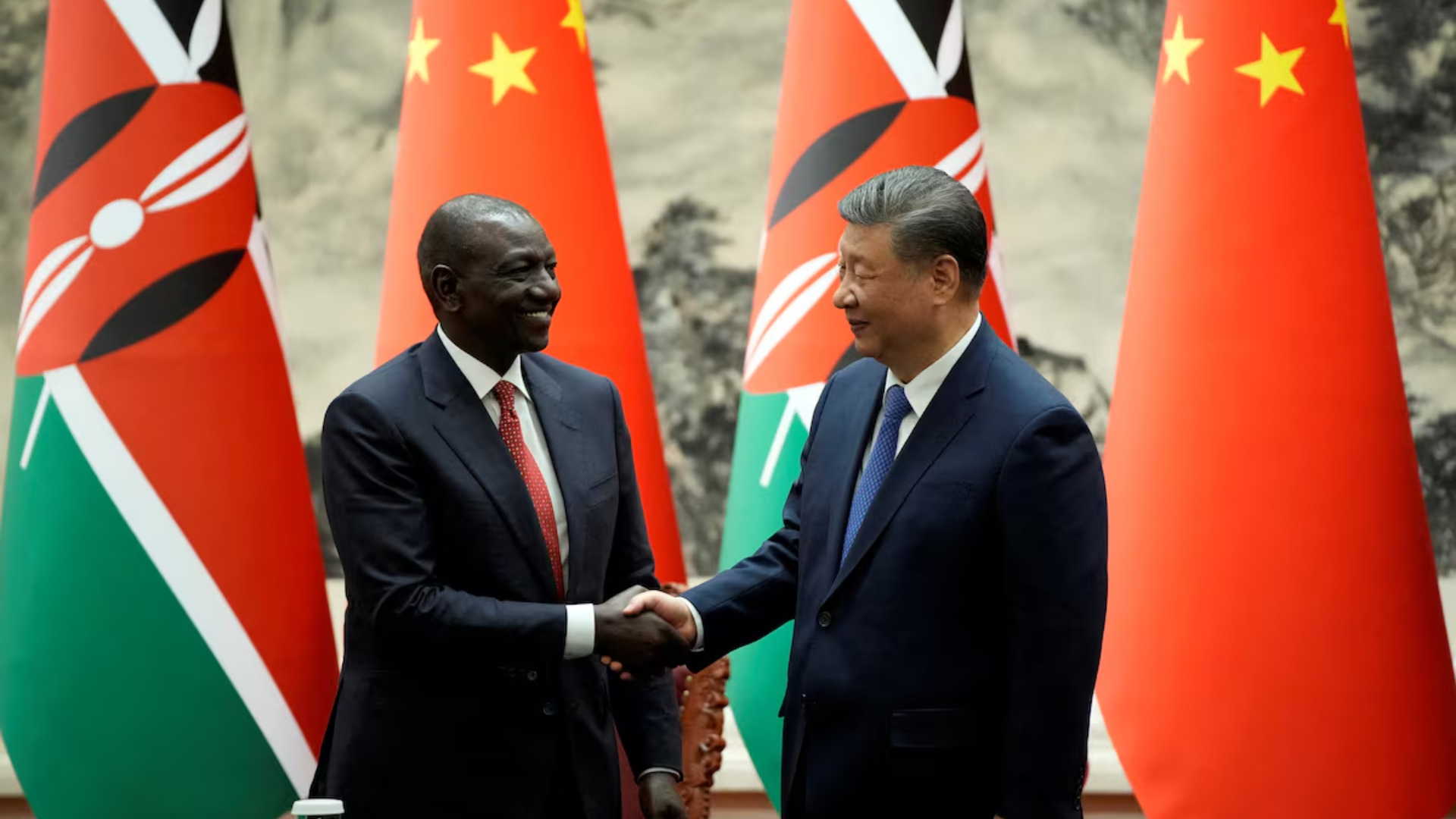
Kenya China Trade Agreement Strengthens Economic Ties
The Kenya China trade agreement opens duty free access to 98% of exports, strengthening economic ties and investor confidence. For…

Investor Demand Surges Amid Dominica’s Iranian CBI Suspension
Caribbean CBI programs are tightening eligibility, and investors are responding بسرعة. Discover why HNWI are accelerating applications, how Dominica’s recent…