
BRICS Just Beat Trump’s Tariffs: How China Is Winning Africa’s Geopolitical Battle

- Agriculture: U.S. farmers faced significant challenges due to retaliatory tariffs from China. As a result, many agricultural exports like soybeans, pork, and corn saw reduced demand abroad.
- Technology: The technology sector also felt the impact, with tariffs imposed on Chinese electronics and components. Companies like Apple, which rely on Chinese manufacturing, saw higher production costs.
- Manufacturing: Domestic manufacturing saw both advantages and challenges. While steel producers benefited from tariffs on foreign steel, manufacturers that used steel in their production faced rising costs.
Contact us if you are interested in Citizenship by Investment
Our expert advisors will have a 1-on-1 consultation to find the best solutions for you and your family and guide you through the procedure.
Conclusion
Trump’s tariffs reshaped the U.S. economy, leading to both benefits and drawbacks. While some industries experienced growth, others faced higher costs and uncertainty. Additionally, global trade relations shifted dramatically as other countries responded to these tariffs. Understanding the long-term effects of Trump’s tariffs is essential as the U.S. navigates future trade policies.
Trump’s tariffs will continue to influence the global economy for years to come. How they evolve under the current administration and beyond remains to be seen. For businesses and consumers alike, the lasting effects of these tariffs will shape economic strategies for the foreseeable future.
Share this blog
Frequently Asked Questions
Related Articles

Beijing Is Watching Your Wealth; Turkey Offers a Legal Pathway
In an era of rising financial scrutiny, global investors are taking action. Discover why 89% of Chinese HNWIs are exploring…

Rising Restrictions Are Driving Strategic Mobility for Iranian HNWIs
Rising restrictions are reshaping global mobility for Iranian HNWIs. Discover how strategic residency and citizenship planning can protect wealth, ensure…

Ethiopia Introduces 10 Year Golden Visa to Attract Global Investors
Ethiopia’s 10 year Golden Visa signals rising investor confidence in emerging markets. For HNWI and global investors, it offers long…

UK Visa Fee Increase 2026 Signals Changing Global Access for
The UK visa fee increase 2026 signals a shift in global mobility. Rising costs reflect strong demand and growing selectivity….
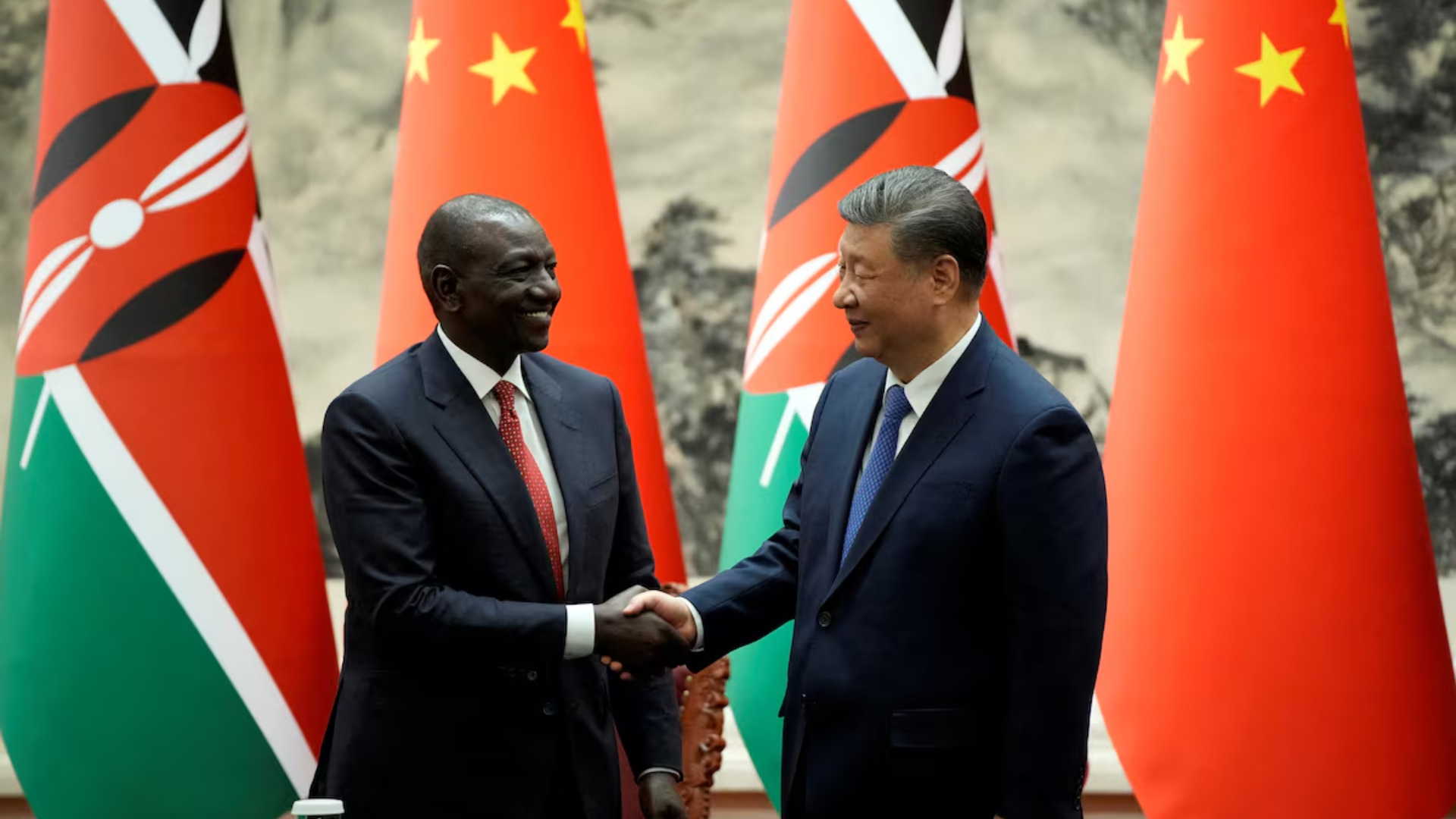
Kenya China Trade Agreement Strengthens Economic Ties
The Kenya China trade agreement opens duty free access to 98% of exports, strengthening economic ties and investor confidence. For…

Investor Demand Surges Amid Dominica’s Iranian CBI Suspension
Caribbean CBI programs are tightening eligibility, and investors are responding بسرعة. Discover why HNWI are accelerating applications, how Dominica’s recent…

What HNWI Need to Know About St Kitts Public Benefit
The St Kitts and Nevis Public Benefit Option offers HNWI a simple, transparent path to second citizenship. By focusing on…