
72% of Countries Now Demand More Than Just a Strong Passport
For decades, a powerful passport was considered a golden ticket, an asset that opened borders, accelerated business, and expanded freedom. But in today’s increasingly fractured geopolitical environment, that idea no longer holds true.
The world is changing, and your passport, no matter how highly ranked, may no longer offer the access you assume it does.
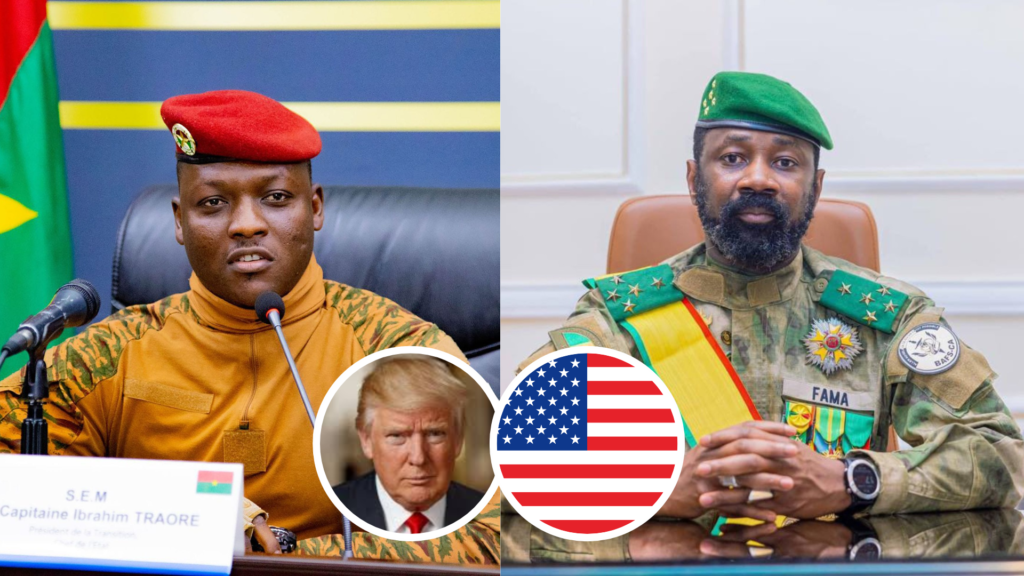
Recent developments are underscoring this shift in real time. In a bold but symbolic move, Mali and Burkina Faso announced they will ban U.S. citizens from entry, citing “reciprocity” in response to being placed on a U.S. travel blacklist. It’s not just a travel headline, it’s a signal that global mobility is now subject to political alignment, not just passport strength.
This change isn’t just coming. It’s already here. According to new data, 72% of countries now apply political considerations to their entry requirements, meaning your access depends on more than visa-free agreements. It depends on who your government is, what decisions they’ve made, and how the rest of the world views them.
For high-net-worth individuals, business owners, and investors who rely on cross-border mobility, the implications are significant.
Why Politics Now Dictate Mobility
Historically, global mobility followed a simple formula: the stronger your passport (based on visa-free access), the more options you had. Western passports, especially from the U.S., UK, Canada, and EU, topped the list.
That’s no longer the full picture.
As new alliances emerge and Global South nations assert greater independence, a passport’s “welcome factor” now includes political, diplomatic, and regulatory dimensions. Countries are:
- Retaliating against foreign policies they view as unfair or coercive
- Blocking citizens of specific nations entirely from entry
- Quietly adding red tape or delays to visa processing
- Refusing bank accounts and financial services based on citizenship
While these actions may not affect tourism to Paris or London, they close doors to emerging markets, investment hubs, and growth regions that are vital for global diversification.
Mali and Burkina Faso: A Symbolic Shift
The decision by Mali and Burkina Faso to bar U.S. citizens may appear minor, after all, these aren’t typical relocation destinations for most entrepreneurs or investors. But it sets a critical precedent.
It’s the first clear case of full travel reciprocity, where smaller nations directly mirrored the U.S.’s travel ban policy, saying, in effect: “If you don’t want us, we don’t want you.”
This marks a philosophical shift: sovereign equality over one-sided diplomacy. And it will give confidence to other nations that may also feel marginalized by Western policies to respond in kind.
In this new environment, political risk becomes a travel risk and a business risk.
From Banking to Citizenship: Western Baggage Is Real
It’s not only about entering a country. Your passport can now limit your access to:
- Banking: U.S. citizens face increasing difficulty opening accounts abroad due to strict compliance rules like FATCA.
- Residency: Some governments have created unwritten policies making it harder for certain nationals to obtain residence permits.
- Citizenship Programs: Countries offering citizenship by investment often blacklist applicants from certain countries, and more may start to include Western nations if tensions escalate.
This means your mobility, financial freedom, and investment options are all tied to your nationality, unless you take steps to diversify them.
A Warning Sign for HNWIs and Global Entrepreneurs
For high-net-worth individuals and global business owners, the message is clear: relying on one passport, even a top-tier one, is no longer a sound strategy.
When the political winds shift, you don’t want your only travel document to become a liability.
You need Plan B options:
- A second passport that offers visa-free access to different regions
- A residence permit that allows you to relocate quickly
- Banking and investment access in jurisdictions outside the Western sphere
This is not about fear. It’s about control, leverage, and future-proofing.
The Rise of the Global South and New Mobility Opportunities
While Western nations become more regulated and politically entangled, the Global South is increasingly offering real alternatives for those who want freedom and neutrality.
Countries across Africa, Southeast Asia, and Latin America are:
- Building stronger regional alliances (e.g. African Union mobility plans)
- Creating investor-friendly programs for residency and citizenship
- Embracing non-alignment and welcoming global capital
These countries may not have been on the radar for second citizenship five years ago, but today, they represent the next frontier of opportunity and mobility, especially for those willing to be early adopters.
By the time these passports become highly sought after, prices will rise and access will tighten.

Why Waiting Is the Costliest Strategy
Many successful individuals put off mobility planning because they don’t see an immediate need. But the nature of today’s risks, geopolitical retaliation, tax changes, banking restrictions, visa policy shifts, is that they often come with little warning.
When restrictions tighten, your options shrink fast. The worst time to seek a second citizenship or residence is after you need it.
And that’s the opportunity cost: waiting means less access, higher costs, and fewer choices.
The Case for Political and Mobility Diversification
If you diversify your investments, your holdings, and even your team, why wouldn’t you diversify your legal and geographic presence?
A smart mobility strategy includes:
- Residency: Establishing a legal right to live elsewhere, even if part-time, for lifestyle or emergency relocation.
- Citizenship: Gaining a second passport to reduce dependency on your primary one.
- Banking and Business Infrastructure: Opening accounts and companies in politically neutral or business-friendly jurisdictions.
This isn’t about abandoning your home country, it’s about building resilience in an unpredictable world.
Contact us if you are interested in Citizenship by Investment
Our expert advisors will have a 1-on-1 consultation to find the best solutions for you and your family and guide you through the procedure.
Freedom is the New Asset Class
72% of nations now tie entry requirements to political factors. This isn’t speculation, it’s fact. And for those who value freedom, opportunity, and long-term security, it calls for a new way of thinking.
Your passport is no longer a guaranteed privilege, it’s a geopolitical asset that needs backup. Just as you wouldn’t put all your capital in one stock, don’t put your entire future in one citizenship.
The world is evolving. Borders are becoming more conditional. And the smart move is to get ahead while the doors are still open.
Take the First Step Today
If you’re serious about protecting your global freedom, access, and legacy, now is the time to explore second citizenship and international residency strategies. Options exist, but they may not for long.
Share this blog
Frequently Asked Questions
Related Articles
Beijing Is Watching Your Wealth; Turkey Offers a Legal Pathway
In an era of rising financial scrutiny, global investors are taking action. Discover why 89% of Chinese HNWIs are exploring…

Caribbean Air Expansion with Air Peace Connects Nigeria to Key
Caribbean air expansion with Air Peace connects Nigeria to key destinations, improving global mobility for HNWI investors. Enhanced connectivity supports…
Rising Restrictions Are Driving Strategic Mobility for Iranian HNWIs
Rising restrictions are reshaping global mobility for Iranian HNWIs. Discover how strategic residency and citizenship planning can protect wealth, ensure…

Ethiopia Introduces 10 Year Golden Visa to Attract Global Investors
Ethiopia’s 10 year Golden Visa signals rising investor confidence in emerging markets. For HNWI and global investors, it offers long…
UK Visa Fee Increase 2026 Signals Changing Global Access for
The UK visa fee increase 2026 signals a shift in global mobility. Rising costs reflect strong demand and growing selectivity….
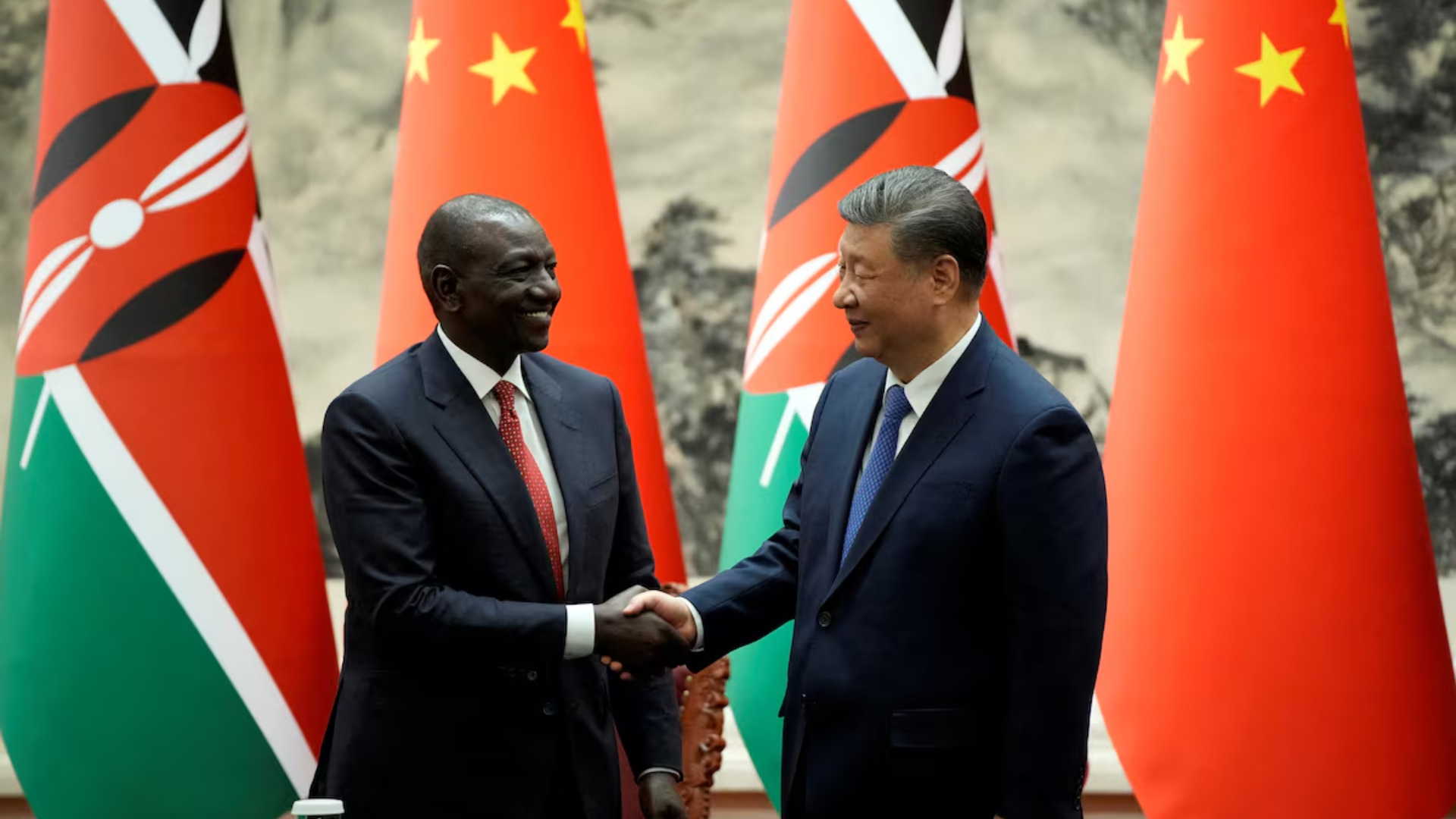
Kenya China Trade Agreement Strengthens Economic Ties
The Kenya China trade agreement opens duty free access to 98% of exports, strengthening economic ties and investor confidence. For…
Investor Demand Surges Amid Dominica’s Iranian CBI Suspension
Caribbean CBI programs are tightening eligibility, and investors are responding بسرعة. Discover why HNWI are accelerating applications, how Dominica’s recent…