
7,000 Russians Claimed Citizenship Through a Forgotten Treaty
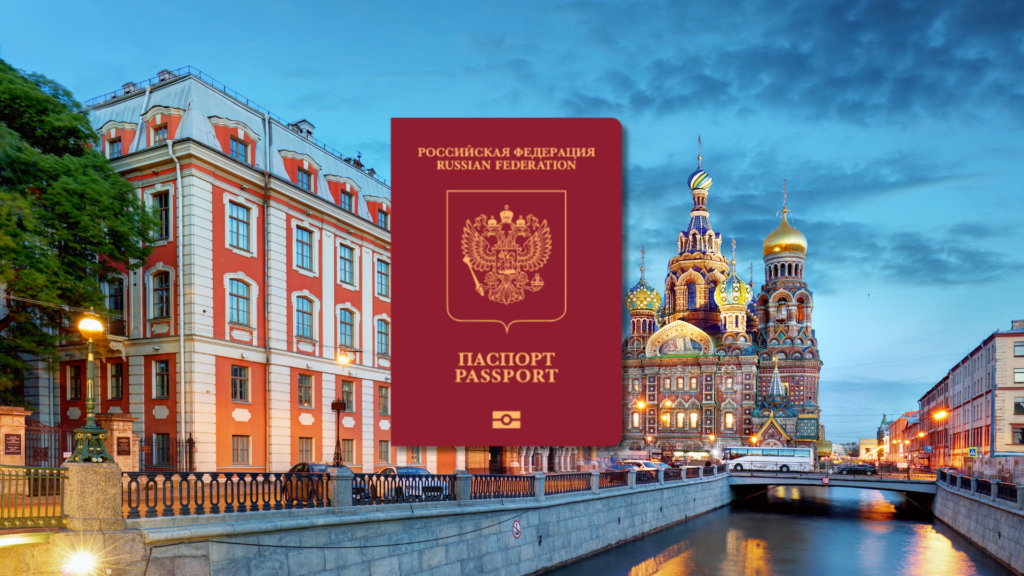
In 2024, over 7,000 Russian citizens successfully obtained Kyrgyz passports through a long-overlooked legal provision, without making any investment, meeting residency requirements, or undergoing a lengthy process. This sharp rise in citizenship approvals stemmed from a decades-old treaty that most had forgotten, until it became one of the only accessible options left.
This sudden surge is more than a legal curiosity. It’s a clear sign of how global mobility strategies are evolving, especially for high-net-worth individuals (HNWIs), entrepreneurs, and international investors.
In today’s climate, where access and flexibility are everything, this case offers valuable insight into how fast-moving geopolitical changes can impact citizenship planning and why strategic foresight is now essential.
A Treaty Reawakens After Three Decades
The key to this sudden rush lies in the Quadrilateral Agreement, signed in the 1990s by four former Soviet states: Kyrgyzstan, Kazakhstan, Belarus, and Russia.
This agreement allowed individuals born in any former Soviet republic before 1991 to apply for citizenship in one of the four countries without fulfilling standard requirements such as:
- Residency
- Language proficiency
- Employment or investment
The provision was created to prevent statelessness and preserve cross-border family ties in the aftermath of the Soviet Union’s collapse.
For years, this clause was used by only a few hundred people annually. But in 2024, that changed drastically. Over 7,000 applications were approved in Kyrgyzstan alone, turning an obscure treaty into a sudden point of interest.
What Caused the Surge?
This wasn’t about nostalgia or heritage. It was about access.
In recent years, multiple governments have restricted citizenship or residency-by-investment programs for certain nationalities due to rising geopolitical tensions. For Russian citizens in particular, popular pathways once relied upon for second citizenship became unavailable almost overnight.
Faced with fewer options, many began exploring legal alternatives that were still open. The treaty between Kyrgyzstan and other former Soviet states stood out for a few key reasons:
- It required no financial contribution.
- It bypassed residency and employment conditions.
- It remained legally valid and underutilized for decades.
As word spread, thousands of applications flooded into Kyrgyzstan’s migration system. Processing timelines, once a few months long, ballooned to over nine months. By early 2025, the government halted new applications from Russian nationals under the treaty to reevaluate the program’s scope and sustainability.
Why This Matters to Investors and Business Owners
This case is not just a regional legal anomaly. It’s a real-world example of how:
- Access can close rapidly
- Demand accelerates when options disappear
- Historic legal tools can gain new relevance
For HNWIs, entrepreneurs, and internationally-minded investors, there are several takeaways.
1. Proactive Citizenship Planning is Crucial
Citizenship planning isn’t something to address only when options run out. The Kyrgyz case shows what happens when a legal route becomes oversubscribed.
Thousands moved quickly but many more were too late. Delays increased, and the government paused the program. The opportunity didn’t disappear, it simply became inaccessible in practice.
Strategic individuals secure second citizenship before they need it. Waiting until circumstances force your hand often means dealing with fewer options and longer timelines.
2. Mobility is a Critical Asset Class
In the past, citizenship may have been seen as symbolic, today, it’s tactical. A second citizenship can:
- Protect assets through access to alternative jurisdictions
- Unlock global travel and business expansion
- Provide security during political or economic disruption
- Support estate planning and intergenerational wealth mobility
Just as investors diversify portfolios, they should also diversify jurisdictional access. When global systems tighten, citizenship flexibility becomes a powerful form of leverage.
3. Legal Frameworks are Dynamic, Not Static
The Kyrgyz government’s decision to pause applications shows how quickly a system can change. What was once available one month may become restricted the next.
Citizenship and residency policies are not guaranteed. They are responsive to international pressure, domestic politics, and security concerns. Strategic investors should be positioned ahead of these changes, not reacting to them.
Global Citizenship Trends Are Shifting
Beyond Kyrgyzstan, broader trends are reshaping the way second citizenship is viewed and acquired.
Countries Are Becoming More Selective
From the Caribbean to Europe and beyond, more countries are applying strict eligibility filters. This often includes:
- Nationality-based restrictions
- Higher scrutiny on source of funds
- Longer due diligence processes
Investors who once found open doors everywhere are now met with selective, evolving criteria. Having expert guidance to navigate these shifts is no longer optional.
Interest in Heritage-Based Routes is Rising
With access narrowing for investment-based routes, many are turning to ancestral citizenship programs or heritage laws, whether through descent, culture, or treaties.
These options often come with lower costs and long-term benefits, but they’re also more complex. Legal eligibility must be proven and properly documented, and some pathways are temporary or under review.
The Kyrgyz example shows how heritage and treaty-based options can become vital tools in an investor’s mobility strategy, especially when the mainstream routes close.
Citizenship Is About Control, Not Escape
It’s important to emphasize: acquiring second citizenship isn’t about fleeing one’s country. It’s about having the ability to operate freely, protect assets, and support future generations across multiple systems.
Smart investors aren’t looking for exits, they’re building bridges.
Lessons from the Kyrgyz Citizenship Case
The 2024 spike in Kyrgyz citizenship approvals illustrates how quickly dormant laws can become high-demand opportunities, and how quickly they can vanish.
Here are three important lessons for investors:
- Windows don’t stay open forever. When a legal pathway becomes popular, demand grows fast and often leads to policy reversals or caps.
- Unconventional options are worth exploring. Some of the best routes to citizenship are buried in historical or bilateral agreements.
- Citizenship is a strategic tool. It offers more than convenience; it offers resilience, diversification, and security.
For forward-thinking individuals, second citizenship is part of a broader wealth and legacy planning strategy.
Preparing for an Uncertain Global Future
In a world defined by uncertainty, from geopolitical instability to regulatory tightening, having options is no longer a luxury. It’s a necessity.
Whether through investment, residency, ancestral ties, or other legal channels, second citizenship offers:
- Freedom to travel when others cannot
- Access to stable banking and investment environments
- A base for relocating family or business, if needed
- Legacy planning tools that support multi-generational stability
The Kyrgyz case won’t be the last time a forgotten law creates a citizenship opportunity. But it is a reminder that those who act early benefit the most.
Contact us if you are interested in Citizenship by Investment
Our expert advisors will have a 1-on-1 consultation to find the best solutions for you and your family and guide you through the procedure.
Take Control of Your Global Mobility Strategy
If you’re a business leader, investor, or high-net-worth individual thinking about the future of your assets and family, now is the time to start the conversation.
Explore second citizenship options that align with your goals, while they’re still available.
Contact us today to discover legal, strategic solutions tailored to your unique needs and timelines.
Share this blog
Frequently Asked Questions
Related Articles

Beijing Is Watching Your Wealth; Turkey Offers a Legal Pathway
In an era of rising financial scrutiny, global investors are taking action. Discover why 89% of Chinese HNWIs are exploring…

The USA Moves to Challenge Sharia Law Policies in Nigeria
The United States has introduced legislation addressing Sharia law policies in Nigeria, increasing international scrutiny on governance and religious freedom….
South Africa Infrastructure Gains $350M World Bank Support
The World Bank $350 million investment in South Africa infrastructure signals growing global confidence in the country’s economic future. For…
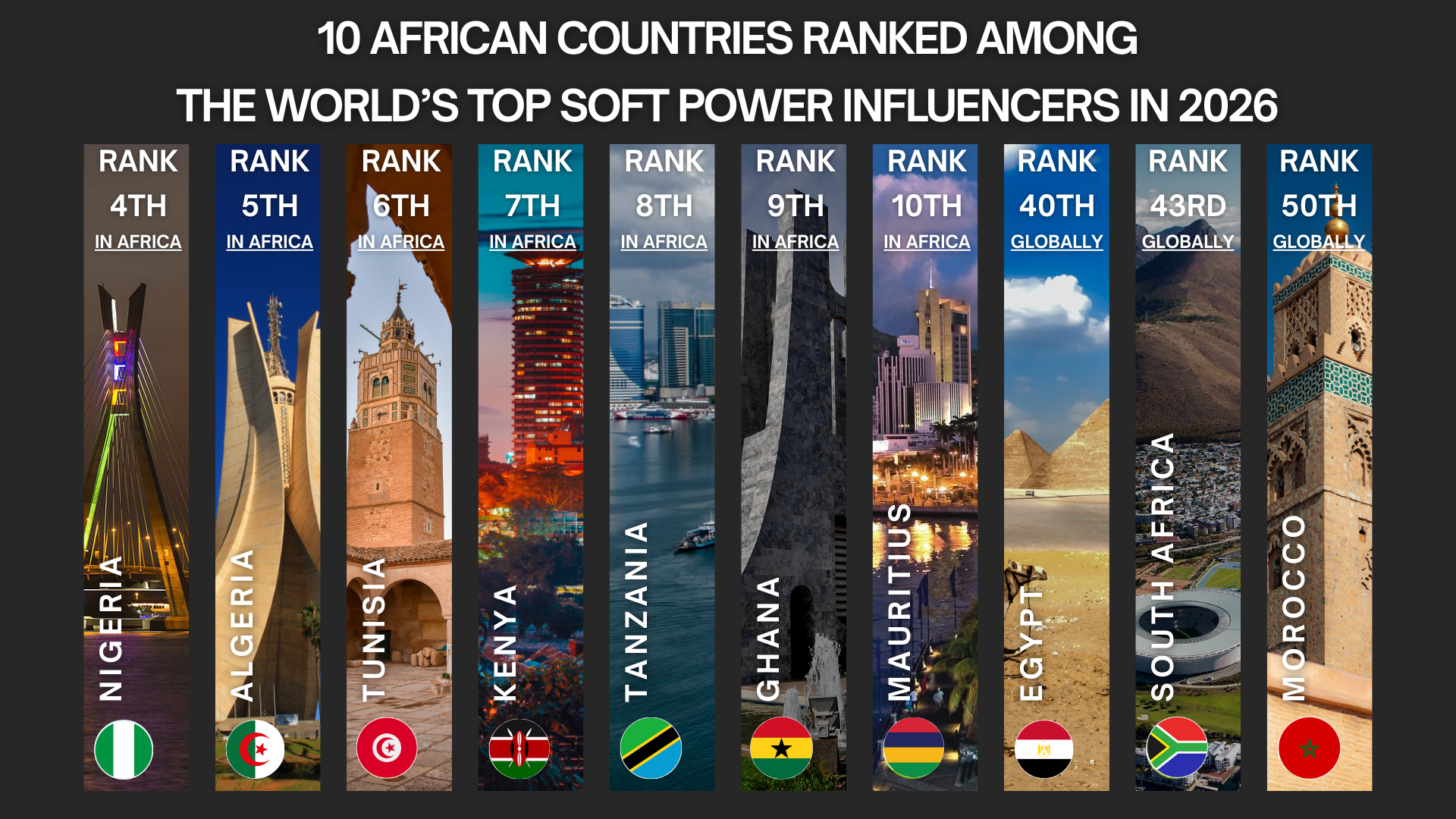
10 African Countries Leading Global Soft Power in 2026
Africa’s global influence continues to grow. The African soft power 2026 ranking highlights ten nations shaping global perception through culture,…

African Citizenship by Investment for Strategic Global Investors
African citizenship by investment is gaining attention among global investors seeking diversification, mobility, and access to emerging markets. As African…
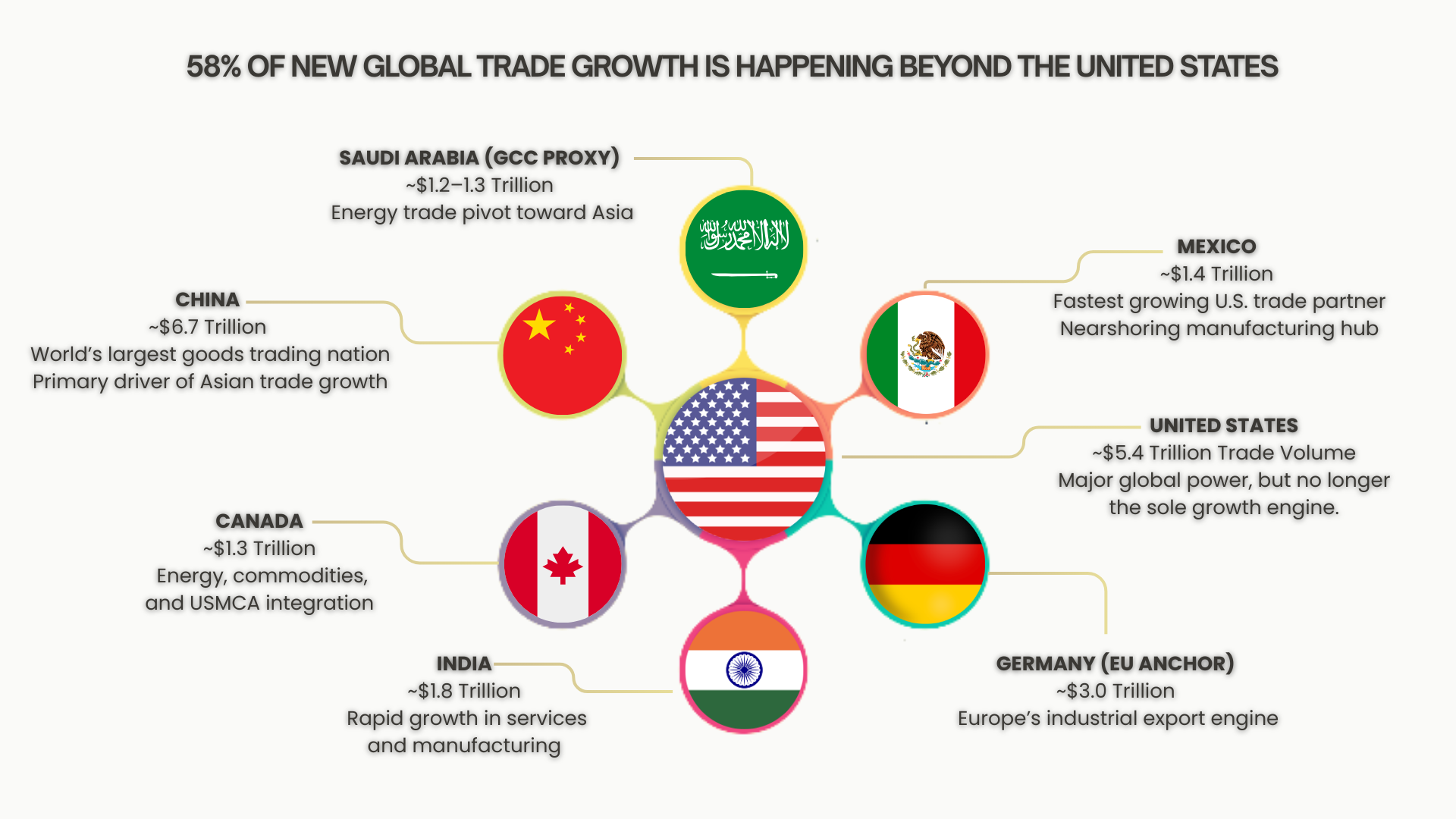
58% of New Trade Growth Happens Outside the U.S.
58% of New Trade Growth Happens Outside the U.S., marking a structural shift in global economic power. As trade momentum…

CBI in Times of Uncertainty: When One Passport Is Not
Global uncertainty has changed the rules of wealth preservation. In today’s environment, one passport may not provide sufficient protection. This…