
New €150,000 Benchmark for Montenegro Property Residency
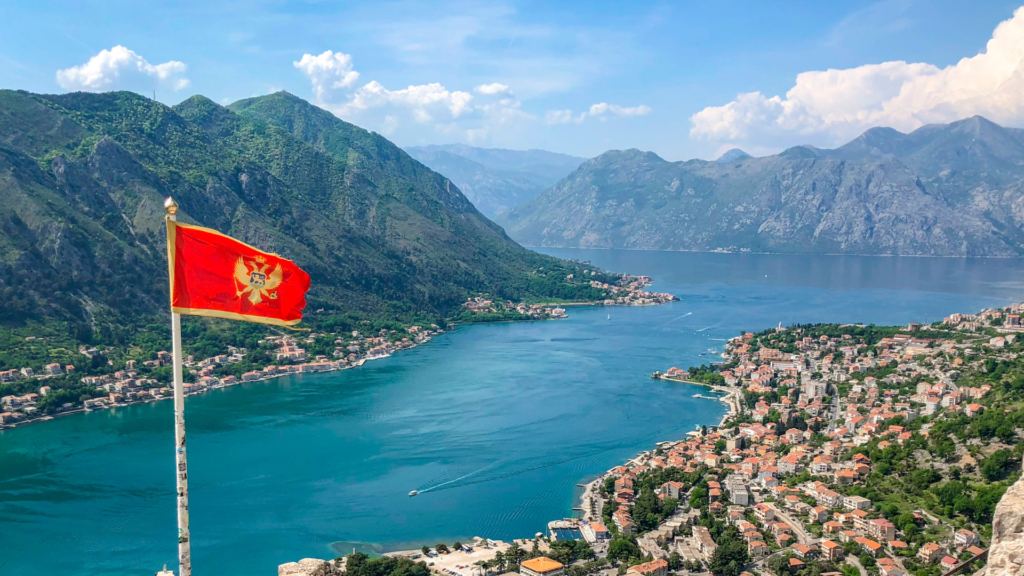
A Strategic Evolution in Montenegro Property Residency 2026
Montenegro property residency 2026 introduces a €150,000 minimum real estate requirement for non EU nationals applying for temporary residence through property ownership. This reform marks a strategic evolution rather than a restriction. For high net worth individuals, business owners, and global investors, defined thresholds signal maturity, regulatory alignment, and long term credibility.
In today’s global mobility landscape, serious investors prioritize stability over shortcuts. Governments that clarify investment criteria protect both their reputation and the interests of compliant applicants. Montenegro’s decision reflects this broader international trend.
What the €150,000 Requirement Means
Under the updated framework, applicants must own residential property with a tax assessed value of at least €150,000. Authorities rely on official municipal valuations rather than solely the contract purchase price. This distinction strengthens transparency and reduces ambiguity.
EU, EEA, and Swiss nationals remain outside the scope of this threshold due to existing mobility arrangements.
For new applicants, the rule establishes a clear financial benchmark. For investors, clarity reduces uncertainty and improves planning.
Why This Reform Strengthens the Program
Experienced investors understand that credible programs evolve. Montenegro has chosen to formalize its residency pathway instead of allowing open ended interpretation. That decision supports long term sustainability.
Key advantages of the €150,000 threshold include:
- Greater regulatory clarity and predictability
- Stronger alignment with EU compliance standards
- Reduced speculative or low substance applications
- Improved long term program stability
- Increased confidence in the property based residency framework
Montenegro remains an EU candidate country. As accession discussions progress, regulatory harmonization becomes increasingly important. This reform demonstrates proactive alignment rather than reactive adjustment.
For globally mobile families, credibility equals security.
Investment Perspective and Market Positioning
The €150,000 benchmark remains competitive within the European residency landscape. Several EU jurisdictions require significantly higher capital commitments for property based residence permits. Montenegro therefore maintains accessibility while reinforcing standards.
This reform may influence the real estate market in several ways:
- Increased demand for properties above €150,000
- Stronger positioning of mid tier and premium developments
- Improved transparency in municipal property assessments
- Enhanced institutional confidence in the housing sector
Coastal regions such as Budva, Kotor, and Tivat continue to attract international buyers seeking lifestyle and investment growth. Meanwhile, Podgorica offers administrative infrastructure and commercial opportunity for entrepreneurs expanding operations into Southeast Europe.
For business owners, Montenegro presents additional advantages. The country offers a competitive corporate tax framework and strategic access to regional markets. Investors can combine operational flexibility with lifestyle diversification.
Residency Benefits for Global Families and Entrepreneurs
Montenegro property residency 2026 provides temporary residence permits that are generally valid for one year and renewable. Although the program does not grant immediate citizenship, lawful residence over time may lead to permanent status, subject to legal requirements.
Residency provides strategic advantages such as:
- Legal long term stay within Montenegro
- Access to local banking and financial services
- Ability to establish and manage a company
- Integration into a growing European market
- Geographic diversification for family security
In an increasingly uncertain geopolitical environment, mobility diversification functions as a form of risk management. HNWIs often secure multiple residency options to ensure continuity of lifestyle, education, and asset management.
Montenegro offers a practical and structured addition to that strategy.
Regulatory Maturity and Long Term Vision
Programs that lack structure often face international scrutiny. In contrast, jurisdictions that refine standards demonstrate responsibility and forward planning. Montenegro’s €150,000 minimum reflects a government intent on attracting committed residents rather than short term speculative inflows.
As global investment migration evolves, governments must balance competitiveness with compliance. Montenegro appears to recognize this balance. By introducing a defined floor, the country strengthens its negotiating position within the broader European context.
For investors who value reputation, this distinction matters. Residency programs tied to credible governance frameworks tend to deliver long term stability.
Risk Management and Due Diligence
Despite the clarity of the new rules, proper due diligence remains essential. Investors should treat property acquisition as both an immigration step and a financial commitment.
Before proceeding, applicants should verify:
- Clean and undisputed title ownership
- Accurate municipal tax assessment exceeding €150,000
- Zoning compliance and construction legality
- Developer credibility and project completion track record
HNWIs rarely approach residency decisions in isolation. They integrate them into broader wealth planning strategies that include tax structuring, estate planning, and cross border business expansion.
Professional guidance ensures that each component aligns with long term objectives.
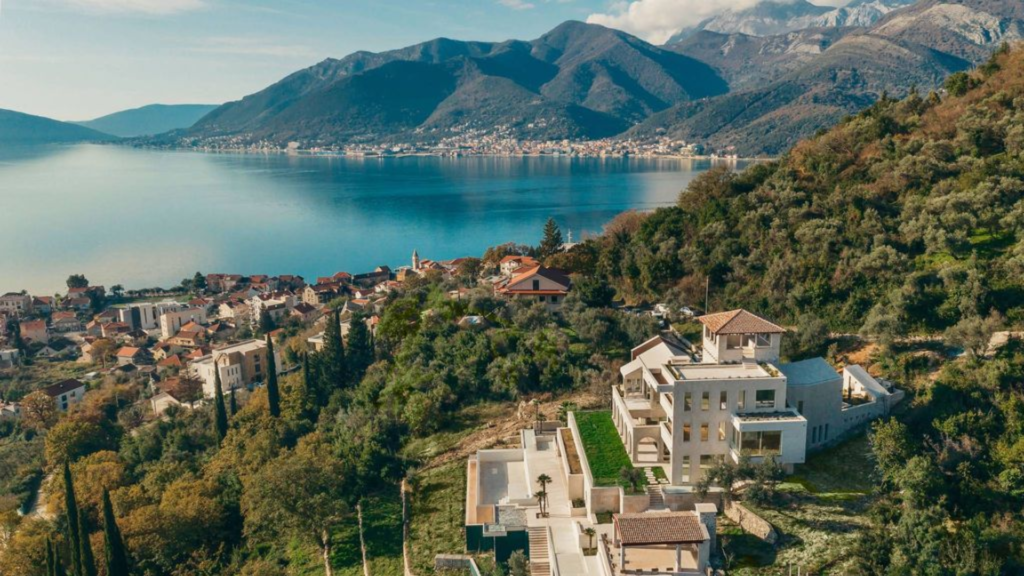
Strategic Timing in a Shifting Landscape
Policy evolution often signals future alignment with international standards. As Montenegro advances in its EU accession process, further regulatory refinement may follow. Entry thresholds, documentation requirements, or compliance checks could evolve.
The current €150,000 minimum remains competitive relative to other European pathways. Acting within a stable and clearly defined framework can offer greater predictability than waiting for additional reforms.
For internationally active entrepreneurs, timing influences both cost and flexibility.
Montenegro’s Broader Value Proposition
Beyond residency mechanics, Montenegro offers tangible economic and lifestyle benefits:
- Strategic Adriatic coastline with expanding tourism infrastructure
- EU candidate status with ongoing accession momentum
- Favorable corporate tax rates compared to many European states
- Growing foreign direct investment in hospitality and real estate
- Attractive living standards with comparatively moderate costs
These fundamentals enhance the appeal of Montenegro property residency 2026. Investors do not evaluate residency solely on entry price. They assess jurisdictional trajectory, economic outlook, and geopolitical positioning.
Montenegro’s direction signals measured growth rather than volatility.
Contact us if you are interested in Citizenship by Investment
Our expert advisors will have a 1-on-1 consultation to find the best solutions for you and your family and guide you through the procedure.
Positioning for Long Term Mobility
Montenegro property residency 2026 demonstrates how structured reform can strengthen rather than weaken an immigration framework. The €150,000 requirement introduces transparency, enhances credibility, and supports long term sustainability within a European context.
For high net worth individuals, business owners, and globally mobile families, this shift represents an opportunity to secure residency in a strategically positioned jurisdiction under clear and defined rules.
If you are considering Montenegro property residency 2026 as part of your international diversification strategy, now is the time to conduct a structured evaluation. Our advisory team provides tailored guidance for investors seeking compliant, strategic, and future oriented mobility solutions.
Contact us to assess how Montenegro can integrate into your global residence and investment planning strategy.
Share this blog
Frequently Asked Questions
Related Articles

Beijing Is Watching Your Wealth; Turkey Offers a Legal Pathway
In an era of rising financial scrutiny, global investors are taking action. Discover why 89% of Chinese HNWIs are exploring…
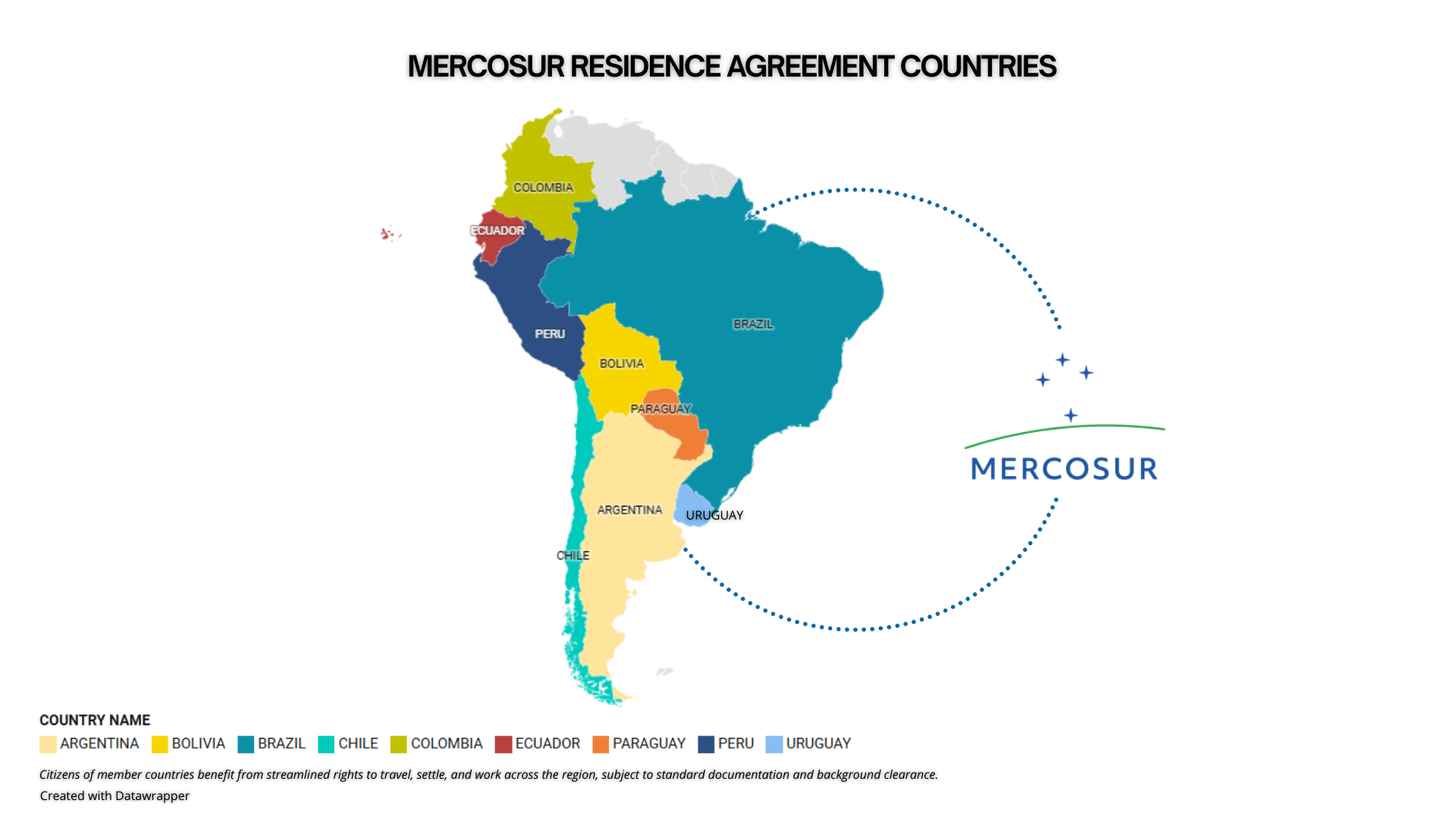
Mercosur Residency: A Smart Second Citizenship Strategy
Mercosur Residency offers structured access to nine South American countries under one regional agreement. For high net worth investors and…

The Growing Importance of Jurisdiction in Wealth Planning
Jurisdictional wealth planning is no longer optional for global investors. As tax laws, political systems, and economic priorities shift, choosing…

Why 29+ Jurisdictions Keep Pension Taxes Below 10 Percent
Why 29+ jurisdictions keep pension taxes below 10 percent reflects a deliberate global policy shift. Governments are attracting stable foreign…

How Investors Can Pursue Two Citizenships Strategically
Pursuing two citizenships simultaneously is legal but complex. For investors and business owners, success depends on coordination, transparency, and consistency….

Timing the Future: Argentina’s Citizenship by Investment Strategy
The Argentina Citizenship by Investment strategy is unfolding with structure and intent. For HNWIs, business owners, and investors, timing now…

Neutral Countries: Why Stability Is the New Currency for Investors
Neutral countries are becoming a top choice for investors seeking stability, trust, and long term mobility. From Europe to emerging…