
Saudi Arabia Opens New Path for Foreign Property Ownership
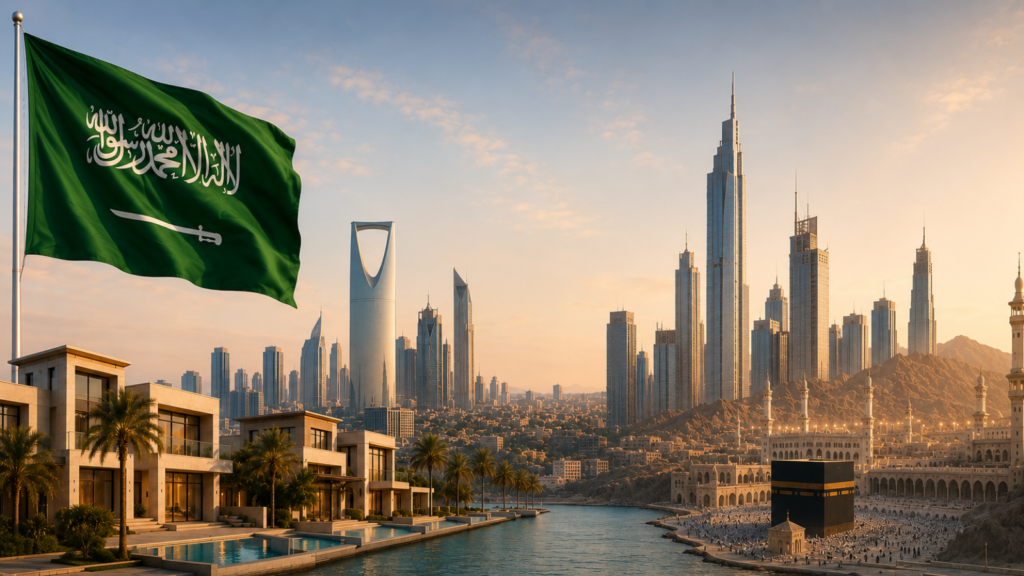
Saudi Arabia opens new path for foreign property ownership as the Kingdom allows non-Saudis to own real estate in approved geographic zones. These areas include parts of Riyadh, Jeddah, Makkah, Madinah, and other cities and governorates under a regulated framework. For HNWI, business owners, and global investors, this reform marks more than a property update. It shows that Saudi Arabia wants to create a clearer, more trusted, and more competitive investment environment.
The change forms part of Saudi Arabia’s wider economic transformation. The Kingdom continues to attract foreign capital, expand private sector growth, and support major development projects under Vision 2030. Real estate plays a key role in this plan because it connects investment, lifestyle, business, tourism, and long-term wealth planning.
For international investors, the most important word here is clarity. Investors need to know where they can buy, what rules apply, how ownership works, and what limits remain. Saudi Arabia’s new framework moves the market toward a more structured system. This matters because clear rules help reduce uncertainty and support better decision-making.
Why This Reform Matters to Global Investors
HNWI and business owners rarely invest based on headlines alone. They look at regulation, market direction, legal protection, demand, and exit options. Saudi Arabia’s new foreign property ownership model gives investors a clearer starting point.
The Real Estate General Authority, known as REGA, has created a framework for non-Saudi individuals, companies, and entities to own or acquire real estate rights in approved areas. The system includes geographic zones, permitted ownership rights, ownership percentages, time limits where applicable, and controls linked to each area.
This structure gives investors a more practical way to study the Saudi market. Instead of viewing the country as one broad market, investors can now review specific zones and assess each opportunity based on location, regulation, and long-term value.
This is especially important for family offices and global investors who manage large portfolios. A clear zoning model helps them compare Saudi Arabia with other international real estate markets. It also helps advisors create better plans around risk, liquidity, asset protection, and cross-border wealth strategy.
Saudi Arabia’s Bigger Investment Story
Saudi Arabia has spent recent years building a stronger global profile. Riyadh continues to grow as a business and government hub. Jeddah remains a major commercial and Red Sea gateway. New tourism, entertainment, transport, and infrastructure projects continue to reshape the country’s economy.
This growth has attracted attention from investors across the world. Many HNWI now view Saudi Arabia as part of a wider Gulf investment strategy. The region offers strong government-backed development, growing business activity, and rising demand for modern housing, hospitality, retail, and commercial real estate.
Foreign property ownership can support this momentum. Real estate gives investors a physical asset in a market they expect to grow. It may also support business travel, regional expansion, family planning, and future lifestyle needs.
Saudi Arabia has not opened every location without limits. Instead, it has chosen a controlled approach. This is important because strong markets need both access and protection. The Kingdom wants to attract foreign capital while keeping national priorities in place.
Special Rules for Makkah and Madinah
Makkah and Madinah hold deep religious importance, so foreign ownership in these cities follows special conditions. The framework allows ownership in approved areas, but it applies stricter controls than in other locations.
This careful approach should not concern serious investors. In fact, it may strengthen trust. A market that protects sensitive locations while allowing structured investment can create a more stable long-term environment.
For HNWI, this balance matters. Investors want access, but they also want a country to manage growth responsibly. Saudi Arabia’s approach shows that the Kingdom wants to open its real estate market in a way that respects culture, religion, and national interests.
What HNWI Should Consider Before Investing
Saudi Arabia’s reform creates opportunity, but investors still need careful planning. Real estate decisions should never rely on policy changes alone. The best investors study the full picture before committing capital.
Location should come first. Riyadh and Jeddah may attract strong interest because they serve major business, lifestyle, and commercial roles. However, not every district will offer the same value. Investors should study demand, infrastructure, rental potential, future supply, and access to major services.
Legal review also matters. Investors should work with qualified legal and tax professionals who understand Saudi property rules. Proper advice can help reduce delays, protect ownership rights, and ensure full compliance.
The type of property also deserves attention. Residential, commercial, hospitality, and mixed-use assets may perform differently. Each asset class carries different risks, income potential, and exit options.
Investors should also review how property ownership fits into a wider wealth plan. A Saudi property may support regional exposure, but it should work alongside other assets, business goals, liquidity needs, and family plans.
Why Business Owners Should Pay Attention
Business owners often look at property through a different lens. They may want market access, regional presence, office space, employee housing, or a long-term base near clients and partners.
Saudi Arabia’s reform may support these goals. As the country continues to grow as a business hub, foreign ownership could make it easier for entrepreneurs and companies to establish a stronger physical presence.
For business owners with Gulf expansion plans, property ownership can create practical advantages. It may support operations, brand positioning, and long-term commitment to the market. It may also help companies reduce reliance on temporary arrangements as they build deeper roots in the region.
This does not mean every business should buy property immediately. Ownership must make financial and strategic sense. Still, the reform gives business owners another option when planning for growth in Saudi Arabia.
Investor Confidence and Risk Management
Global investors care about risk as much as returns. A market may look attractive, but unclear rules can stop capital from moving. Saudi Arabia’s new ownership framework helps address this challenge.
Clearer rules support stronger investor confidence. They allow investors to ask better questions, compare locations, calculate costs, and understand limits before they buy. This improves the quality of investment decisions.
Risk management should remain central. Investors should review title registration, permitted use, taxes, fees, financing options, rental regulations, resale rules, and inheritance planning. They should also understand whether ownership gives any residency benefit, because property rights and immigration rights are not always connected.
A smart investor does not only ask, “Can this asset grow?” A smart investor also asks, “Can this asset remain secure, useful, compliant, and easy to manage over time?”
This is where Saudi Arabia’s regulated approach may add value. The framework gives investors a more reliable foundation for due diligence.
How This Connects to Global Mobility
Many HNWI now build international plans that go beyond one country. They seek stronger mobility, better access, safer wealth structures, and more flexibility for their families.
Real estate often forms part of that wider plan. It can support lifestyle access, business interests, and long-term diversification. However, investors should understand that property ownership does not automatically provide the same benefits as a residency or citizenship program.
This distinction matters. A property asset may support a Gulf investment strategy, but it should sit within a wider plan that may include second residency, citizenship planning, international banking, and business structuring.
For families, the goal often includes stability and choice. They want options during economic, political, or market uncertainty. Saudi Arabia’s foreign property ownership reform gives investors another potential route to build regional presence and long-term flexibility.

Long-Term Value in a Changing Gulf Market
The Gulf continues to evolve. Investors now look at the region not only for energy wealth, but also for finance, tourism, logistics, technology, luxury living, and major infrastructure development.
Saudi Arabia stands at the center of this shift. Its population, economic scale, and reform agenda make it one of the most important markets to watch. Foreign property ownership adds another layer to this story.
For HNWI, the opportunity lies in early positioning. Markets that open in a structured way can create long-term value for investors who enter with discipline and patience. However, timing still matters. Investors should avoid rushing into projects without proper review.
The best approach combines optimism with caution. Saudi Arabia’s reform sends a positive signal, but each investment must stand on its own merits. Strong due diligence remains essential.
A Stronger Path for International Investors
Saudi Arabia’s decision to expand foreign property ownership through approved zones marks a meaningful step in the Kingdom’s investment journey. It gives global investors a clearer route into a major Gulf market and supports the country’s wider goal of attracting long-term capital.
For HNWI, business owners, and investors, the reform offers more than access to property. It offers a chance to study Saudi Arabia as part of a broader global strategy. The Kingdom’s direction, scale, and reform momentum make this development important for anyone watching international real estate and wealth planning trends.
Saudi Arabia opens new path for foreign property ownership, and this new path may support stronger diversification, better regional access, and greater confidence for long-term investors. For those also exploring citizenship by investment and residency by investment, international real estate planning can form part of a wider strategy for stability, mobility, and future security.
Contact us if you are interested in Citizenship by Investment
Our expert advisors will have a 1-on-1 consultation to find the best solutions for you and your family and guide you through the procedure.
Secure Your Global Future Today
Global investors need more than opportunity. They need structure, insight, and trusted guidance. Explore how citizenship by investment, residency by investment, and international real estate planning can help strengthen mobility, protect wealth, and support long-term family security.
Frequently Asked Questions
Related Articles
Beijing Is Watching Your Wealth; Turkey Offers a Legal Pathway
In an era of rising financial scrutiny, global investors are taking action. Discover why 89% of Chinese HNWIs are exploring…
The West Is Pushing to End Caribbean Citizenship by Investment
Caribbean CBI faces a major period of change as European pressure increases ahead of 2028. For HNWI, business owners and…
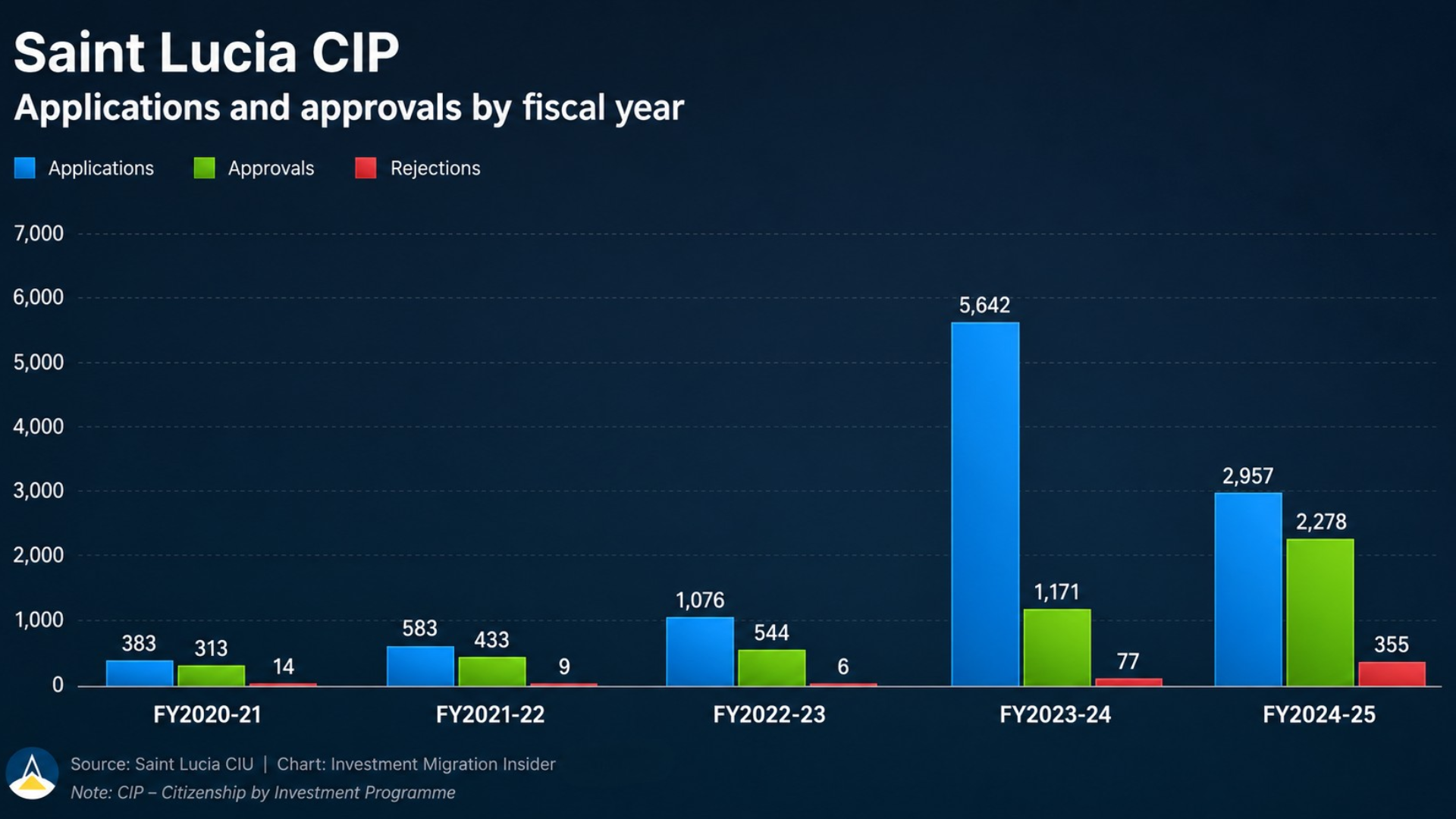
Saint Lucia Citizenship by Investment Approvals Reach 2,278
Saint Lucia approved 2,278 citizenship by investment applications in 2024/25 while completing 2,633 decisions. The programme also rejected 355 cases,…
Dubai Is Proving Its Strength Despite Regional Uncertainty
Dubai is showing why resilience matters to global investors. Despite regional uncertainty, its business environment, infrastructure, connectivity, and financial systems…
Bulgaria Golden Visa Could Face New Residency Rules
The Bulgaria Golden Visa could face an important change as lawmakers consider a new physical presence requirement for permanent residents….
Greek Golden Visa for Nigerians Seeking European Residency
The Greek Golden Visa for Nigerians gives HNWI, business owners and investors a flexible route to European residency. With Schengen…
