
Latvia Reshapes Investor Residence With Fund Route
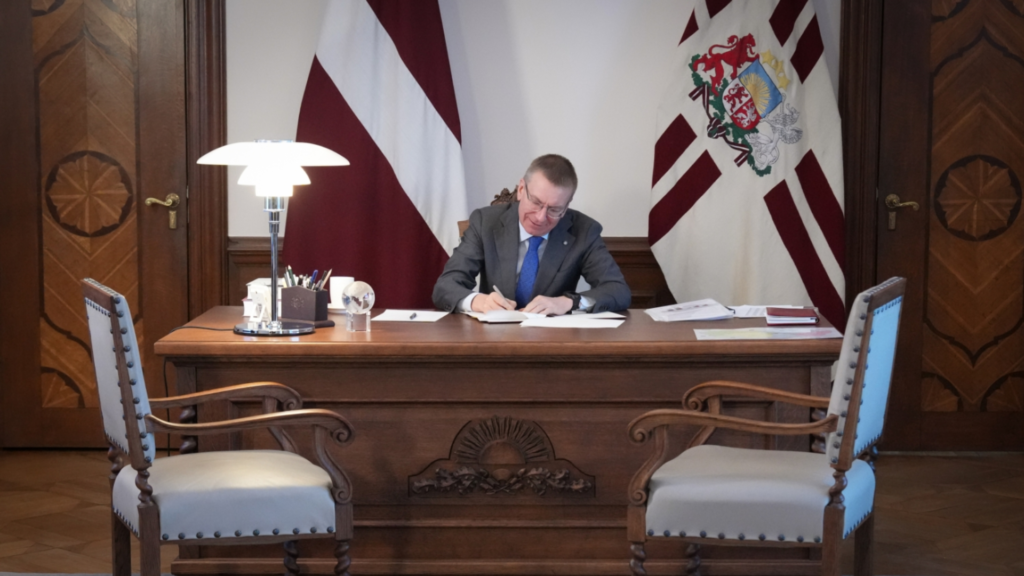
Latvia Golden Visa changes are now a major point of discussion for HNWI, business owners, and global investors who want a secure European residence strategy. Latvia’s Parliament adopted a new Immigration Law on June 11, 2026, but President Edgars Rinkēvičs sent it back for a second review on June 19, 2026. This means the proposed reforms still require further review before they become final. The law aims to strengthen national security, improve migration control, and create a clearer immigration system for third country nationals.
For investors, the main issue is not only whether Latvia keeps or removes certain routes. The bigger question is how Europe now views investor residence. Across the region, governments want more transparency, stronger due diligence, and clearer economic value. Latvia’s proposed changes fit this wider trend. They show that residence by investment programs can remain useful, but only when they meet higher standards.
Why Latvia Matters to Global Investors
Latvia has long attracted investors because it sits inside the European Union and the Schengen Area. A Latvian residence permit may support wider mobility, easier regional access, and stronger lifestyle planning for families and business owners.
For HNWI, Latvia also offers a practical advantage. It gives investors a European base without the same level of capital pressure seen in many larger markets. This has made it a useful option for those who want a Plan B, business reach, and family flexibility.
However, a residence strategy should not depend only on cost. Serious investors look at stability, legal clarity, government attitude, and long term program strength. A low entry point means little if the rules change suddenly or lose public support.
That is why the current review matters. Latvia is not simply adjusting a few technical rules. It is redefining what kind of investor residence framework it wants for the future.
What the New Immigration Law Would Change
The proposed law would remove two well known investor routes. These are the real estate investment route and the subordinated bank capital route. Both options have played an important role in Latvia’s investor residence program for years.
The real estate route allowed investors to qualify through a property purchase. The bank capital route allowed investors to place funds with a Latvian credit institution. These routes gave investors clear and relatively simple options, especially those who preferred asset backed or financial placements.
Under the proposed reform, Latvia would move away from these passive routes. The law would keep the business investment route, but it would reduce the permit period. It would also introduce a new fund based option, although this route still needs more detail before investors can treat it as a fully active pathway.
For business owners, this shift is important. Latvia appears to be moving toward investment models that create stronger links to the economy. That may include company capital, business growth, job support, tax contributions, and structured fund investment.
The Proposed Fund Route
One of the most notable parts of the reform is the possible new fund option. Based on the adopted text reported in the legislative update, the route would require an investment of at least €150,000 for a minimum period of five years. Applicants would also need to pay €10,000 into the Latvian state budget.
This could become attractive for investors who want a simpler structure than direct business ownership. A fund route may also appeal to HNWI who prefer professional management, clearer documentation, and less daily involvement.
Still, investors should treat this option with care. The state linked fund has not yet been fully created. Separate rules must explain how the fund will operate, what it may invest in, how applications will be checked, and how source of funds reviews will work.
President Rinkēvičs raised concerns about the legal framework for investment based residence. He noted that several proposals introduced new rules at a late stage and required further assessment by Parliament. His review focused on whether the law gives enough clarity for the right of foreign nationals to receive residence permits through investment.
This review should not worry serious investors. In fact, it may improve trust. Strong laws protect both the country and the applicant. When a program has clear rules and strong checks, it becomes more credible.
What Happens to the Business Investment Route
The business investment route remains one of the most important parts of Latvia’s investor residence framework. It may become even more important if Parliament removes the real estate and bank capital options.
This route can suit entrepreneurs, company owners, and investors who want a genuine business link to Latvia. It may involve share capital investment into a Latvian company and related state contribution requirements. It may also include ongoing tax and business conditions.
For HNWI, this route needs careful planning. A business investment should not exist only on paper. Authorities across Europe now look more closely at substance. They may consider whether the company operates, pays taxes, keeps records, and supports the local economy.
This creates a stronger program environment. Investors who build real business activity may gain more confidence than those who rely on passive routes. Latvia’s direction suggests that active economic contribution may carry more value in the years ahead.
Why Stricter Rules Can Strengthen Investor Confidence
Some investors may see program reform as a risk. That view makes sense, especially when a route may close or change. However, stricter rules can also protect long term value.
Investor migration programs face pressure when they look too easy, too passive, or too weak on checks. Governments need public trust. Banks need clean documentation. Families need a route that will not face sudden political rejection.
Latvia’s proposed reform shows a more mature approach. The Saeima stated that the new law aims to create a clear, transparent, and efficient immigration system while reducing immigration fraud and illegal employment risks.
That matters for wealthy families and business owners. A strong program creates better acceptance. It also reduces reputational risk. In today’s market, investor confidence depends on compliance as much as access.
HNWI should welcome programs that check source of funds, define investment rules, and align with national interests. These steps do not remove opportunity. They make opportunity more durable.
The Bigger European Trend
Latvia’s review reflects a broader change in global mobility planning. Investor residence programs are moving from simple access products to more regulated wealth planning tools.
In the past, many investors focused on the fastest route, the lowest investment, or the easiest stay requirement. That mindset has changed. Today, HNWI families ask better questions.
Will the program survive future reviews?
Will banks accept the source of funds record?
Can the family maintain the residence status over time?
Does the program support education, business, travel, and lifestyle goals?
Does the route protect privacy while meeting legal rules?
These questions now shape serious planning. Latvia’s proposed reforms show why investors should not wait until a crisis begins. A Plan B works best when a family builds it early, while options remain open.

Why This Reform Supports Investor Confidence
Investors interested in Latvia should avoid rushed decisions. The law is still under review, and details may change. However, waiting without a strategy also creates risk.
HNWI, business owners, and investors should review their goals now. Some may want a European residence option for family mobility. Others may want business expansion, banking flexibility, education access, or long term relocation choices.
A proper review should include several steps.
First, investors should check whether their profile fits the current or proposed routes. Second, they should prepare clean source of funds records. Third, they should compare passive investment goals with active business plans. Fourth, they should understand timelines, renewal rules, and possible future obligations.
Latvia may remain attractive, but it will likely reward prepared applicants. The strongest applications usually come from investors who understand the rules, document their wealth clearly, and choose a route that matches their real goals.
Key Benefits for HNWI and Business Owners
Latvia’s investor residence framework may still offer several advantages if the reforms create a stronger system.
- It may support access to the Schengen Area.
- It may give families more freedom to plan education, travel, and lifestyle needs.
- It may create a European base for business owners.
- It may offer a lower entry point than many larger markets.
- It may support long term residence planning when managed correctly.
These benefits matter because global uncertainty continues to shape wealth decisions. Political change, tax pressure, banking limits, currency risk, and family security all push investors to think beyond one country.
A second residence can help families act from a position of strength. It can support mobility, protect options, and create more control over future decisions.
Compliance Will Decide Long Term Value
The most valuable investor residence programs will not be the easiest ones. They will be the programs with the strongest balance between access and trust.
Latvia appears to be moving in that direction. The President’s decision to return the law for review shows that the country wants better legal clarity before final approval. The Saeima’s focus on security, fraud prevention, and efficient immigration control also supports that direction.
For investors, this creates a clear lesson. Compliance should come first. Clean funds, accurate documents, strong planning, and honest purpose of residence now matter more than ever.
A weak application can create delays, refusals, or future problems. A well prepared application can protect the investor’s reputation and strengthen long term confidence.
Contact us if you are interested in Citizenship by Investment
Our expert advisors will have a 1-on-1 consultation to find the best solutions for you and your family and guide you through the procedure.
Plan Your Next Step With Confidence
Latvia Golden Visa changes may reshape how HNWI, business owners, and investors approach European residence planning. The possible removal of real estate and bank capital routes, the continued role of business investment, and the proposed fund option all point to a more selective future. That future can still offer strong value, but it will favor investors who plan early, meet compliance standards, and choose programs with long term credibility.
For investors exploring citizenship by investment and residency by investment, now is the right time to review global options with care. A strong Plan B should protect mobility, lifestyle, business access, and family security while meeting today’s higher compliance standards. Speak with an experienced investment migration advisor to assess the best route for long term stability and confidence.
Frequently Asked Questions
Related Articles

Beijing Is Watching Your Wealth; Turkey Offers a Legal Pathway
In an era of rising financial scrutiny, global investors are taking action. Discover why 89% of Chinese HNWIs are exploring…

Cyprus Foreign Property Restrictions for Investors
Cyprus is considering tighter controls on property purchases by non-EU nationals as foreign demand rises. The proposals could restrict purchases…

China Ends 30-Year Foreign Investor Dividend Tax Exemption
China has ended a tax exemption that protected certain dividend income received by foreign individuals for more than 30 years….

Why 61% of UK Millionaire Investors Consider Moving Abroad
A survey of 341 wealthy UK investors found that 61% have considered becoming resident overseas, while 97% expect taxes to…

Countries Want More Than Tourists. They Want Wealthy Families.
The valuable arrival is no longer just the tourist who spends for a week. Countries are designing residency, tax and…

Europe Is Quietly Killing the Traditional Golden Visa Model
Europe’s familiar property-for-residence model is becoming harder to find. Latvia is removing real estate from its investor residence framework, following…
