
Why Citizenship by Investment Becomes More Expensive Over Time

Why Citizenship by Investment Costs Keep Rising
For high-net-worth individuals, business owners, and global investors, citizenship by investment has become more than a travel solution. It is a strategic asset that supports wealth preservation, international mobility, family security, and business expansion.
One trend has remained remarkably consistent over the past two decades. The cost of obtaining citizenship or residency through investment continues to increase. Governments regularly revise their programs, introduce stricter requirements, and raise investment thresholds. In many cases, attractive programs eventually close altogether.
For investors considering citizenship by investment or residency by investment, timing has become one of the most important factors. Waiting for prices to decrease has rarely been rewarded. Instead, history shows that acting earlier often provides greater value, more flexibility, and access to opportunities that may not exist in the future.
Investment Migration Has Changed Significantly
The investment migration industry has matured considerably over the years.
As global demand has increased, governments have recognized the growing value of offering legal pathways to residence and citizenship through investment. At the same time, international organizations have encouraged stronger compliance standards, enhanced due diligence, and improved program governance.
As a result, many countries have responded by increasing minimum investment amounts and tightening eligibility criteria.
These changes are not designed to discourage investors. Instead, they aim to strengthen the credibility and long-term sustainability of investment migration programs.
For qualified applicants, stronger programs often create greater confidence in the quality and integrity of the citizenship or residency they receive.
Why Governments Increase Investment Thresholds
Many investors naturally ask why prices continue to rise.
The answer is driven by several factors.
Growing international demand has made investment migration more valuable than ever before. Investors increasingly seek jurisdictional diversification, business flexibility, and access to stable economies.
Governments also face rising administrative costs associated with conducting comprehensive due diligence, improving compliance systems, and maintaining international standards.
Higher investment requirements also help countries ensure that applicants make meaningful contributions to national development through economic growth, real estate investment, infrastructure, or public funds.
Rather than reducing demand, these adjustments often reinforce the value and exclusivity of the programs.
Demand Continues to Grow
Global uncertainty has changed how successful individuals approach long-term planning.
Many HNWIs and entrepreneurs no longer view a second passport solely as a travel document. Instead, they recognize it as an important component of a diversified global strategy.
Several factors continue to drive demand.
- Greater international mobility.
- Access to global business opportunities.
- Diversification of personal and family risk.
- Education opportunities for future generations.
- Long-term wealth planning.
- Geographic flexibility during political or economic uncertainty.
These priorities have become increasingly important as global markets continue to evolve.
Waiting Often Comes at a Cost
One of the biggest misconceptions in investment migration is the belief that prices may eventually decline.
Historical evidence suggests otherwise.
Programs have consistently moved in one direction. Investment thresholds increase, regulations become more comprehensive, and application processes become more selective.
In some cases, governments eliminate attractive investment options or discontinue programs altogether.
For investors, delaying a decision may lead to:
- Higher investment requirements.
- Additional compliance obligations.
- Reduced investment options.
- Longer processing times.
- Missed opportunities entirely.
The opportunity cost of waiting can be far greater than many investors initially expect.
The Importance of Strategic Timing
Experienced investors understand the value of timing.
Whether investing in real estate, private equity, or international business, entering the market before significant changes often creates long-term advantages.
The same principle applies to investment migration.
Securing citizenship or residency before regulatory changes allows investors to benefit from existing program conditions while preserving future flexibility.
Although no one can predict exactly when governments will revise their programs, historical trends clearly indicate that change is inevitable.
Timing remains one of the few variables investors can control.
Citizenship Is More Than Global Mobility
While visa-free travel often receives the most attention, the benefits extend much further.
A second citizenship can provide:
- Greater flexibility for international business operations.
- Improved access to banking and financial services.
- Expanded educational opportunities.
- Family succession planning.
- Greater resilience during periods of global uncertainty.
- Enhanced lifestyle choices.
For internationally active families, these advantages often become increasingly valuable over time.
Citizenship becomes a long-term asset rather than a short-term purchase.
Residency by Investment Offers Similar Advantages
Not every investor requires immediate citizenship.
Many begin their international journey through residency by investment programs.
Residency offers many practical benefits, including legal residence rights, business opportunities, access to healthcare and education, and potential pathways toward permanent residency or citizenship depending on the country’s legislation.
Like citizenship programs, residency by investment programs also evolve over time.
Investment requirements may increase, qualifying investment options can change, and eligibility criteria often become more selective.
This reinforces the importance of acting while favorable conditions remain available.
Diversification Extends Beyond Investments
Sophisticated investors rarely concentrate their wealth in one country, one currency, or one asset class.
Diversification has long been recognized as a core principle of effective wealth management.
Today, many HNWIs apply the same philosophy to personal mobility.
Holding legal status in another jurisdiction creates additional options that may become valuable during changing economic, political, or regulatory environments.
A diversified global footprint provides flexibility that cannot always be measured by immediate financial returns.
Instead, it creates future opportunities.

The Long-Term Value Continues to Grow
One overlooked aspect of investment migration is that its value often increases after approval.
As governments revise entry requirements, those who secured citizenship under earlier conditions frequently benefit from opportunities that later applicants can no longer access.
In many cases, existing citizens continue enjoying the advantages of their citizenship while new applicants face higher investment thresholds or stricter eligibility requirements.
This creates a unique dynamic.
Unlike many purchases that lose value over time, the strategic value of obtaining citizenship or residency early can continue to grow as access becomes more limited.
Why Professional Guidance Matters
Citizenship and residency planning involve far more than selecting the lowest investment amount.
Every investor has unique financial objectives, family priorities, business interests, and international goals.
Working with experienced professionals helps investors evaluate suitable jurisdictions, understand legal requirements, complete comprehensive due diligence, and develop a strategy aligned with long-term objectives.
Professional guidance also helps applicants remain informed about evolving regulations and policy changes that may affect future opportunities.
Making an informed decision today can help avoid costly delays tomorrow.
Positioning for the Future
Global mobility continues to evolve alongside international business, wealth planning, and family succession strategies.
As governments strengthen investment migration programs, higher investment thresholds should not necessarily be viewed as a disadvantage. Instead, they often reflect stronger governance, greater international confidence, and increased long-term credibility.
For HNWIs, entrepreneurs, and investors, the question is becoming less about whether prices will rise and more about whether today’s opportunities will still exist tomorrow.
The history of investment migration consistently points in one direction. Programs become more selective, investment amounts increase, and available pathways evolve. Those who act strategically often secure long-term value before future changes reshape the market.
Contact us if you are interested in Citizenship by Investment
Our expert advisors will have a 1-on-1 consultation to find the best solutions for you and your family and guide you through the procedure.
Secure Your Global Future Today
Every investment decision involves evaluating future opportunities against present conditions. The same principle applies to citizenship by investment and residency by investment. Acting before program requirements change can provide greater flexibility, enhanced global mobility, and long-term security for both families and businesses.
If expanding international opportunities is part of a long-term strategy, speak with our specialists today to explore the most suitable citizenship by investment and residency by investment solutions tailored to your goals.
Frequently Asked Questions
Related Articles

Beijing Is Watching Your Wealth; Turkey Offers a Legal Pathway
In an era of rising financial scrutiny, global investors are taking action. Discover why 89% of Chinese HNWIs are exploring…

The West Is Pushing to End Caribbean Citizenship by Investment
Caribbean CBI faces a major period of change as European pressure increases ahead of 2028. For HNWI, business owners and…
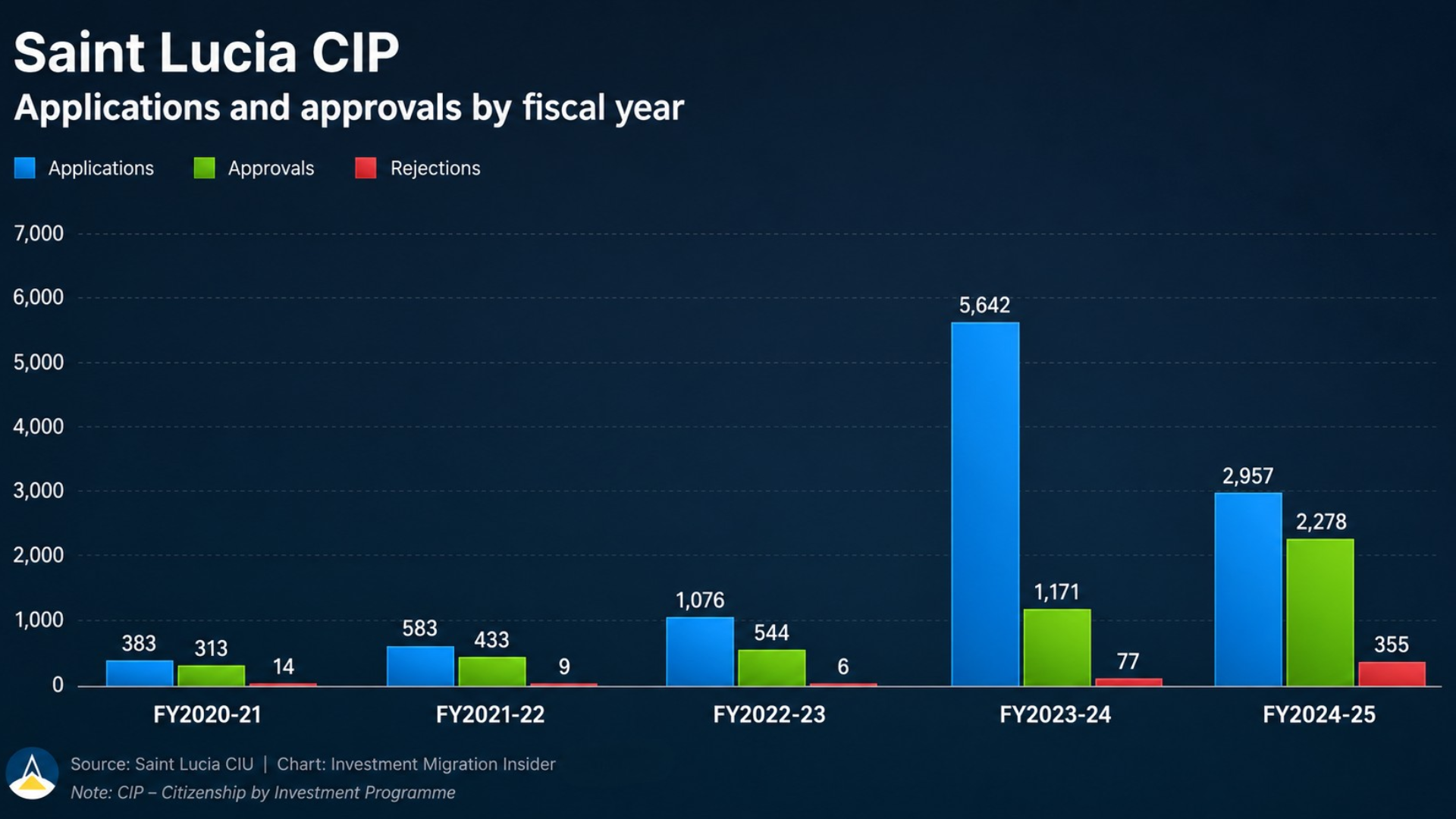
Saint Lucia Citizenship by Investment Approvals Reach 2,278
Saint Lucia approved 2,278 citizenship by investment applications in 2024/25 while completing 2,633 decisions. The programme also rejected 355 cases,…

Dubai Is Proving Its Strength Despite Regional Uncertainty
Dubai is showing why resilience matters to global investors. Despite regional uncertainty, its business environment, infrastructure, connectivity, and financial systems…

Bulgaria Golden Visa Could Face New Residency Rules
The Bulgaria Golden Visa could face an important change as lawmakers consider a new physical presence requirement for permanent residents….

Greek Golden Visa for Nigerians Seeking European Residency
The Greek Golden Visa for Nigerians gives HNWI, business owners and investors a flexible route to European residency. With Schengen…
