
$200M Nigeria-UAE Agreement Signals Investor Confidence
Introduction
Global capital is changing direction. High-net-worth individuals, business owners, and investors are no longer focused only on traditional markets. Instead, they are paying close attention to where long-term growth, strategic partnerships, and government-backed innovation are taking shape.
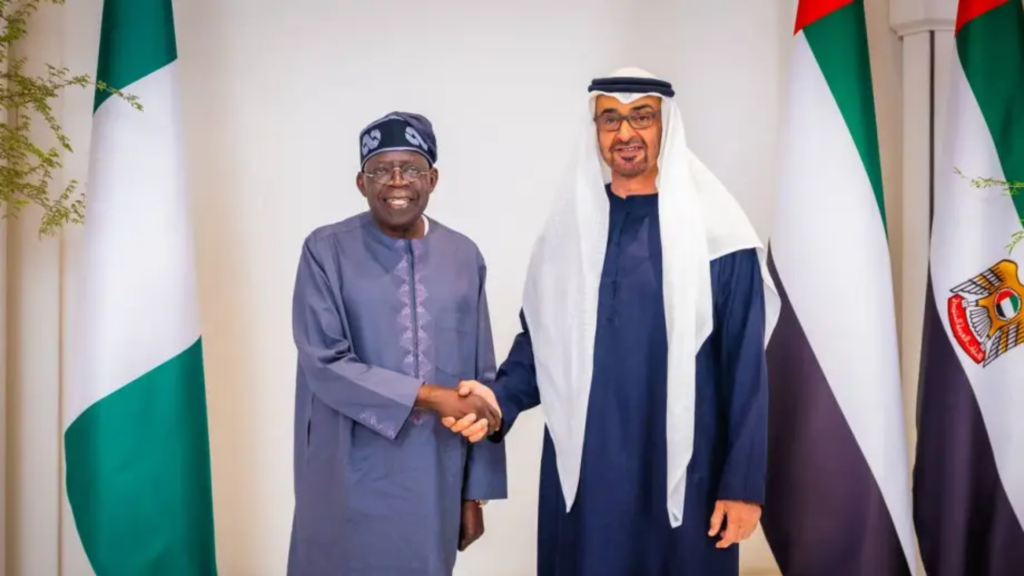
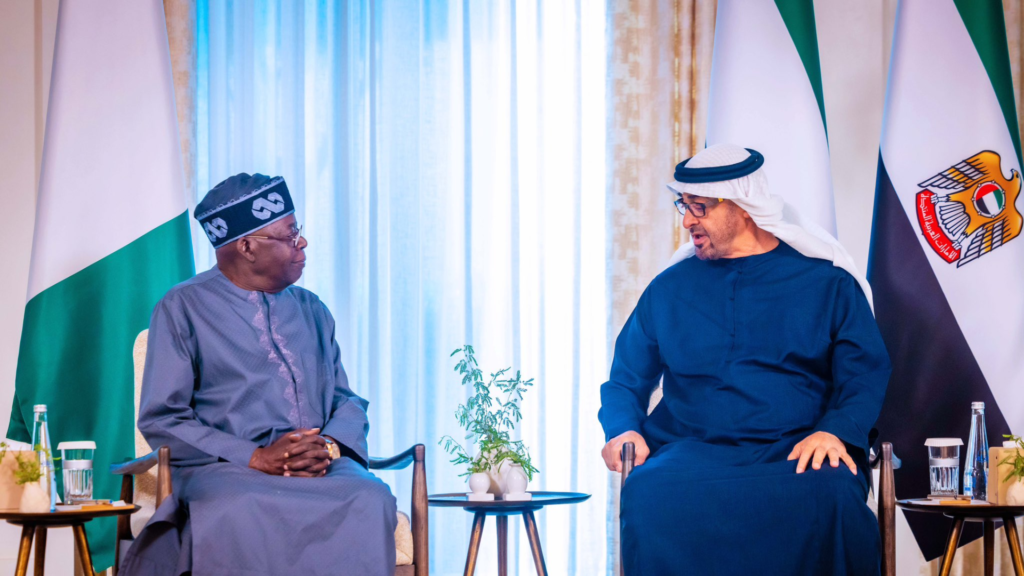
The Nigeria UAE agreement is a clear example of this shift. With a $200 million commitment toward defence, space technology, and digital infrastructure, both countries are signaling strong investor confidence in future-focused economic development. For investors, this is not just a headline, it is a clear indicator of where capital is becoming more strategic and deliberate.
Why This Partnership Matters Now
The Nigeria–UAE agreement reflects more than cooperation between two nations. It shows how governments are actively shaping the next phase of economic growth through targeted partnerships.
Instead of competing in isolation, countries are aligning in key sectors such as advanced manufacturing, aerospace, cybersecurity, and defence. These are industries that define long-term economic strength.
For investors, this creates a more structured environment. Growth is no longer driven by chance but by coordinated efforts between capital, policy, and infrastructure. This level of alignment increases predictability, which is critical when making long-term investment decisions.
Strategic Relevance for HNWI
For high-net-worth individuals, the value of this agreement goes beyond the size of the investment. It reflects how serious capital is being deployed with long-term intent.
Markets that attract this level of international collaboration tend to move quickly. They develop infrastructure, strengthen institutions, and create new business opportunities. Nigeria, supported by UAE capital and expertise, is positioning itself as one of these markets.
At the same time, global investors are rethinking how they approach access and mobility. Cross-border partnerships like this improve connectivity between regions, making it easier to operate, invest, and expand internationally. This is where residency and citizenship strategies become highly relevant. They are no longer lifestyle decisions, they are strategic tools.
A Stronger Case for Forward Planning
Uncertainty continues to shape global markets. Economic cycles, geopolitical changes, and regulatory shifts all influence how wealth is preserved and grown.
The Nigeria–UAE agreement highlights how some countries are actively reducing these risks by strengthening their economic foundations. For investors, this reinforces the importance of planning ahead rather than reacting late.
A structured approach to wealth today often includes geographic diversification, alternative residency options, and exposure to growth-focused economies. Those who act early tend to benefit from greater flexibility and stronger positioning.
Institutional Confidence as a Leading Indicator
One of the most important signals in the Nigeria UAE agreement is the presence of institutional capital.
When governments and major financial entities commit funds at this scale, they do so after careful analysis. This level of involvement suggests confidence not only in the opportunity but also in the systems supporting it.
For private investors, this serves as a form of validation. It indicates that the market has passed a level of scrutiny and is considered viable for long-term development. In many cases, institutional investment precedes broader capital inflows, making early awareness valuable.
Global Investment Patterns Are Evolving
The idea that capital should remain concentrated in traditional markets is becoming less relevant. Investors are now looking for regions that combine growth potential with strategic direction.
Africa is increasingly part of this conversation. Its demographic strength, combined with rising digital adoption, is attracting attention. When this is supported by partnerships with established financial hubs like the UAE, the investment case becomes stronger.
This shift is not temporary. It reflects a broader reallocation of global capital toward economies that are building for the future rather than relying on legacy advantages.
Implications for Citizenship and Residency Strategy
As investment patterns evolve, so does the role of global mobility in wealth planning.
Investors are no longer selecting residency or citizenship options based only on convenience. They are aligning these decisions with where economic activity and opportunity are expanding.
The Nigeria–UAE agreement reinforces this thinking. It shows how international partnerships can improve stability, enhance credibility, and create more structured environments for investors.
This makes certain jurisdictions more attractive not only for investment but also for long-term positioning. In this context, citizenship and residency become part of a broader strategy that connects mobility with opportunity.
Managing Risk with a Balanced Approach
While the opportunities are clear, entering new markets requires careful evaluation.
Investors must consider regulatory frameworks, infrastructure readiness, and execution capability. These factors determine whether a project or market can deliver on its promise.
This is why experience and guidance matter. A well-informed approach allows investors to identify strong opportunities while managing downside risks effectively.
Positioning Ahead of the Curve
The most successful investors do not wait for trends to become obvious. They position themselves early, when signals first begin to appear.
The Nigeria–UAE agreement is one of those signals. It shows how global capital is aligning with economies that are investing in innovation and long-term growth.
Early positioning provides access, influence, and the potential for stronger returns. It also allows investors to build relationships and establish presence before markets become saturated.
A Changing Landscape for Global Investors
The global investment landscape is evolving at a rapid pace. Partnerships like the Nigeria–UAE agreement are shaping how and where capital is deployed.
For HNWI, business owners, and investors, this shift presents both a challenge and an opportunity. It requires a more strategic approach, one that considers not just returns, but also access, mobility, and long-term security.
The Nigeria UAE agreement is a clear reflection of this new reality. It signals investor confidence, validates emerging opportunities, and highlights the importance of aligning with global trends.
Contact us if you are interested in Citizenship by Investment
Our expert advisors will have a 1-on-1 consultation to find the best solutions for you and your family and guide you through the procedure.
Take the Next Step
If you are looking to strengthen your global position, now is the time to act. A well-structured residency or citizenship strategy can provide the access, flexibility, and security needed in today’s environment.
Our team works with HNWI, business owners, and investors to create tailored solutions that align with global investment trends and personal objectives.
Reach out today to explore how you can position yourself alongside the direction of global capital.
Frequently Asked Questions
Related Articles

Beijing Is Watching Your Wealth; Turkey Offers a Legal Pathway
In an era of rising financial scrutiny, global investors are taking action. Discover why 89% of Chinese HNWIs are exploring…

Caribbean CBI Prices Have Already Doubled: 2027 May Cost More
Caribbean CBI prices have already doubled from earlier entry levels, and 2027 may bring higher costs and stricter rules. For…

Second Passports Are Leaving Their Golden Age Behind
The global mobility landscape is changing rapidly. Learn why second passports remain valuable, how citizenship by investment and residency by…
Immigration Growth in OECD Countries
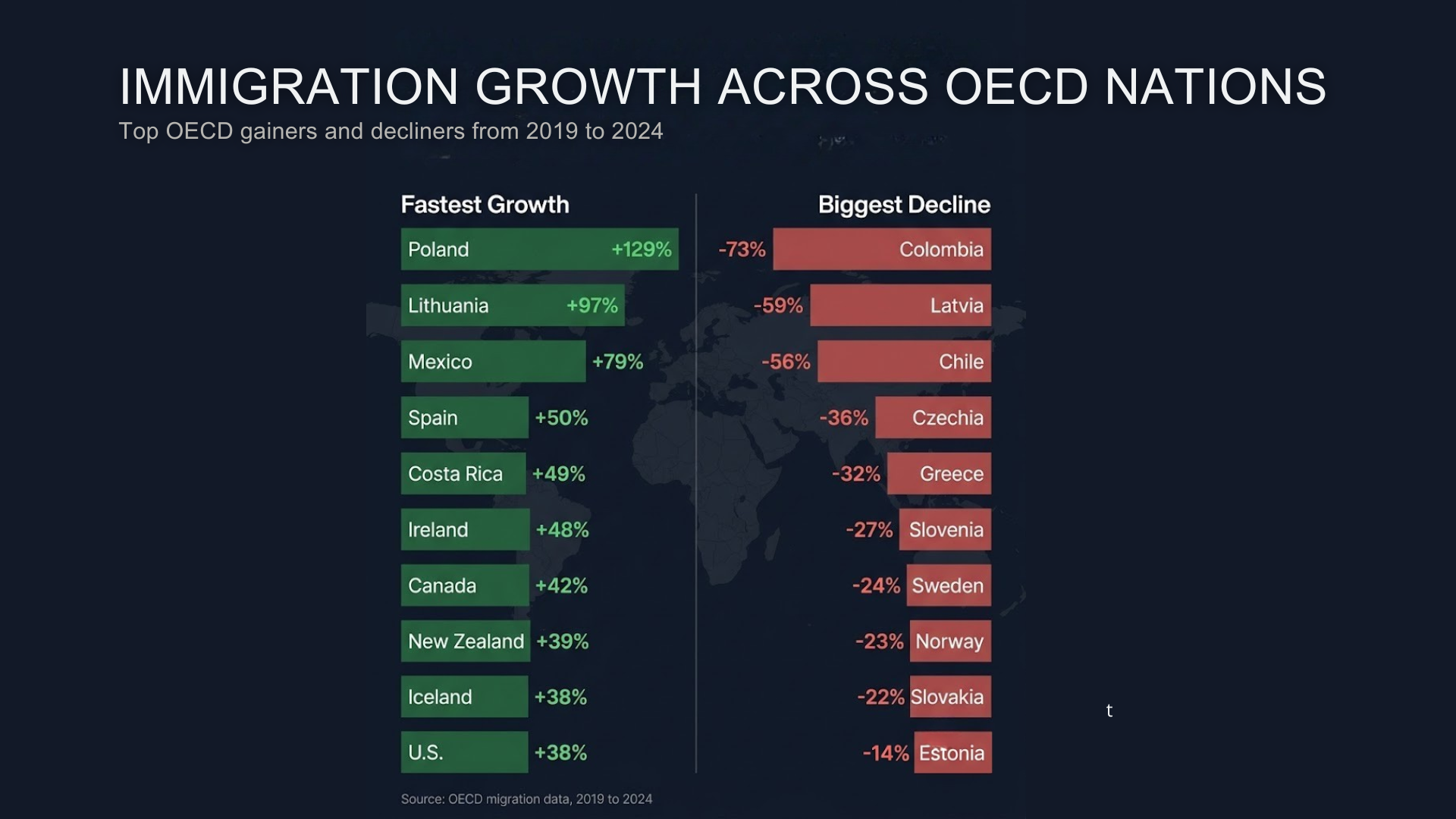
Immigration growth in OECD countries is changing how HNWIs, business owners, and investors plan for the future. Rising and falling…

Residency by Investment Rules Are Tightening in 2026
Residency by investment is becoming more selective in 2026 as countries raise thresholds, tighten tax residence rules, and reduce weaker…

Proposed EB-5 Rules Strengthen Investor Confidence
The proposed EB-5 regulations introduce stronger investor protections, greater transparency, and enhanced oversight across the U.S. investment immigration program. Learn…
