
U.S. Passport Falls in Global Ranking: Secure Global Access Now
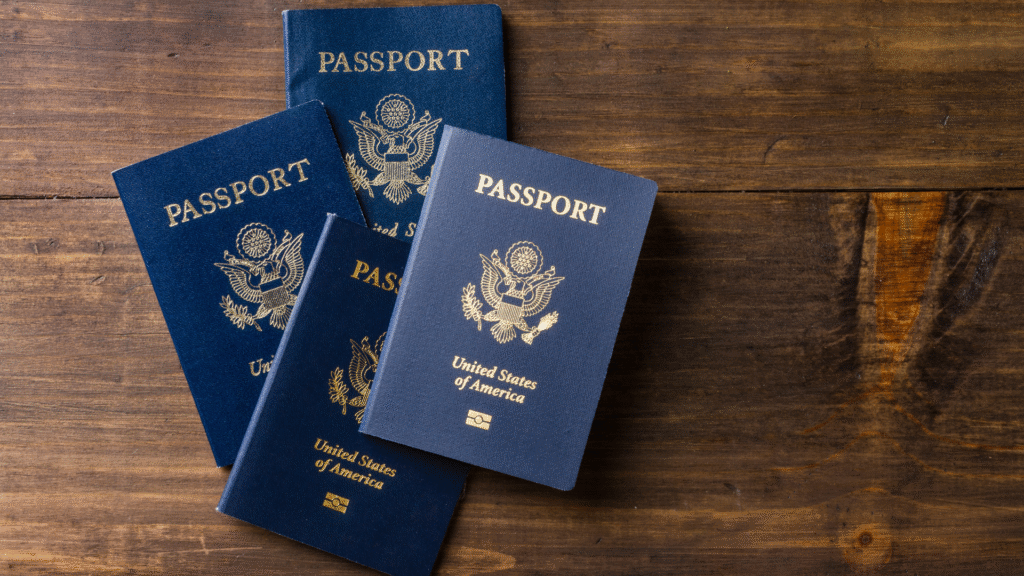
The U.S. passport, once among the strongest in the world, has slipped in global mobility rankings and for the first time in recent history, it is no longer in the top 10. While it still provides significant travel freedom, this downward trend highlights growing limitations and geopolitical shifts that every global investor should watch closely.
For high-net-worth individuals and internationally minded families, this isn’t just a statistic, it’s a warning. The rules of global mobility are changing, and the time to act is now. In this blog, we’ll explain what’s driving the decline, what it means for your global strategy, and how a second citizenship or alternative residency can safeguard your access and flexibility.
The U.S. passport currently allows visa-free or visa-on-arrival access to around 180 destinations. But that number is no longer enough to keep it in the top tier globally. Several key reasons explain this decline:
- Reduction in Visa-Free Agreements
Some countries have recently removed visa-free access for U.S. citizens or added new requirements. This includes nations that once had open borders with the U.S. for decades. These changes can stem from strained diplomatic ties, new security protocols, or shifting immigration policies. - Low Reciprocity Rates
While Americans enjoy broad access abroad, the U.S. itself remains restrictive when it comes to allowing visa-free entry. This lack of reciprocity is now leading more countries to re-evaluate their own visa policies toward U.S. citizens. - Political and Policy Shifts
Global relations are more complex than ever. Changes in leadership, immigration law, and foreign policy directly affect passport strength. A more closed or protectionist stance can result in reciprocal restrictions from other nations. - The Rise of Emerging Mobility Powers
Other countries are actively working to enhance the strength of their passports by forging new diplomatic ties and expanding visa agreements. Nations like the United Arab Emirates, Singapore, and several European states have seen noticeable improvements.
Whether you’re an investor, entrepreneur, or internationally mobile professional, your passport is more than a travel document. It’s a key to opportunity. A decline in mobility can impact:
- Business flexibility – Delays due to visa applications can cause missed meetings, lost deals, and complications in international operations.
- Emergency response – In uncertain times, such as during health crises or political unrest, having multiple options for travel and residence becomes crucial.
- Family planning – Education, healthcare, and lifestyle options for your children may depend on where you can legally live and travel.
- Global strategy – Investors with assets, clients, or partnerships abroad require seamless movement across borders.
Why Second Citizenship Is Now a Top Priority
In response to the passport’s decline, a record number of Americans are seeking second citizenship or residency through investment. What was once a luxury has now become a practical necessity for future-proofing one’s lifestyle and legacy.
Benefits of a Second Passport
- Increased travel access – Many second passports offer visa-free entry to 140 to 180+ countries.
- Political neutrality – Holding a passport from a neutral country can provide access and protection during times of geopolitical tension.
- Global lifestyle – Live, work, or retire abroad with ease, whether in Europe, the Caribbean, or Asia.
- Asset protection – Second citizenship can offer legal and financial protection in cases of instability or litigation.
Where Are Investors Looking in 2025?
The most in-demand citizenship and residency by investment programs in 2025 offer a combination of access, efficiency, and stability:
Caribbean Citizenship Programs
- Countries: St. Kitts & Nevis, Dominica, Antigua & Barbuda, Grenada, Saint Lucia
- Travel access: Visa-free to UK, Schengen Zone, and parts of Asia
- Processing time: As fast as 60 days
- Cost: Starts from $100,000 donation or $200,000 real estate investment
European Residency Options
- Countries: Portugal, Greece, Malta
- Travel access: Full access to the Schengen Zone
- Path to citizenship: Residency can lead to a second passport after 5–7 years
- Lifestyle appeal: High-quality healthcare, education, and infrastructure
Middle Eastern and Asian Hubs
- Countries: UAE, Singapore, Malaysia
- Benefits: Strong business environments, strategic global positioning, and high mobility for business travelers
How to Choose the Right Program for You
With over 30 citizenship and residency programs available worldwide, choosing the right one depends on your goals. Here’s what to consider:
- Your travel needs: Do you want access to Europe? Asia? Latin America?
- Your investment budget: Some programs start as low as $100,000; others require €500,000 or more.
- Speed of approval: Need access fast? Some programs approve in 60–90 days.
- Long-term goals: Are you looking for tax advantages, relocation options, or family legacy planning?
- Family inclusion: Many programs allow you to include spouses, children, and even parents.
Working with an experienced advisory team can help match your unique needs with the best program available.

Don’t Wait Delays Can Cost You Access
As more investors pursue second citizenship and governments adjust program terms, competition is increasing. Some countries are tightening their requirements, raising minimum investment amounts, or capping annual approvals.
By acting early, you can lock in current terms and gain faster access before rules change or waiting lists grow.
Real-World Example:
A client who started a Caribbean citizenship application in early 2023 secured approval in just 75 days. By mid-2024, new restrictions had been introduced, extending processing time and increasing fees.
The lesson? Timing matters.
Contact us if you are interested in Citizenship by Investment
Our expert advisors will have a 1-on-1 consultation to find the best solutions for you and your family and guide you through the procedure.
Secure Your Global Access Before It’s Too Late
The decline of the U.S. passport’s power is part of a wider global trend. Travel, business, and personal mobility are becoming more complex but also more important than ever.
A second citizenship or residence isn’t just a backup, it’s a strategic advantage.
If your future includes international growth, global opportunity, or personal freedom, now is the time to explore your options.
Ready to secure your global access?
Speak with our expert advisors today and take the first step toward a stronger, more flexible future.
Share this blog
Frequently Asked Questions
Related Articles

Beijing Is Watching Your Wealth; Turkey Offers a Legal Pathway
In an era of rising financial scrutiny, global investors are taking action. Discover why 89% of Chinese HNWIs are exploring…

Cyprus Foreign Property Restrictions for Investors
Cyprus is considering tighter controls on property purchases by non-EU nationals as foreign demand rises. The proposals could restrict purchases…

China Ends 30-Year Foreign Investor Dividend Tax Exemption
China has ended a tax exemption that protected certain dividend income received by foreign individuals for more than 30 years….

Why 61% of UK Millionaire Investors Consider Moving Abroad
A survey of 341 wealthy UK investors found that 61% have considered becoming resident overseas, while 97% expect taxes to…

Countries Want More Than Tourists. They Want Wealthy Families.
The valuable arrival is no longer just the tourist who spends for a week. Countries are designing residency, tax and…
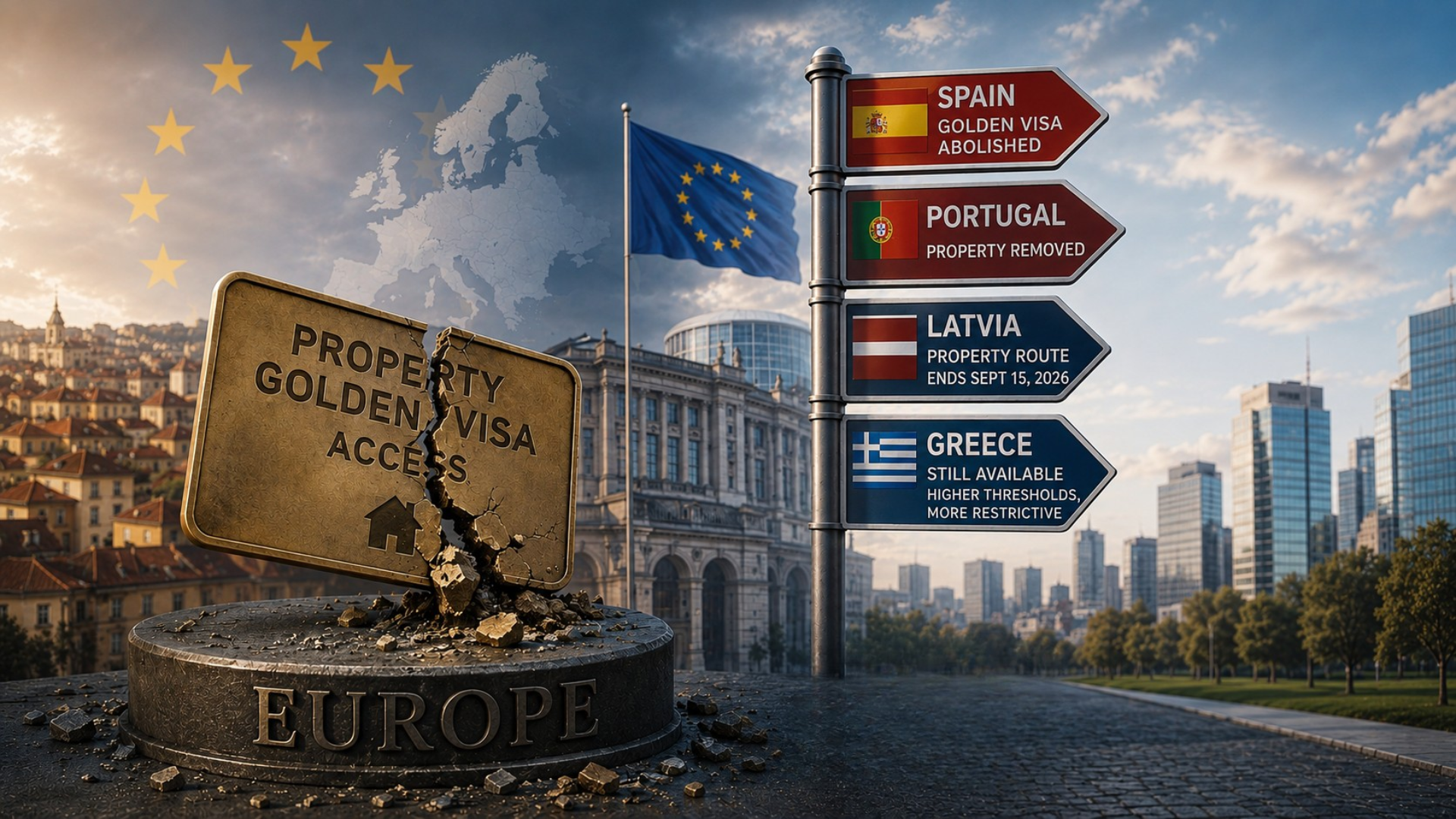
Europe Is Quietly Killing the Traditional Golden Visa Model
Europe’s familiar property-for-residence model is becoming harder to find. Latvia is removing real estate from its investor residence framework, following…
