
UK Visa Fee Increase 2026 Signals Changing Global Access for Africans
Introduction
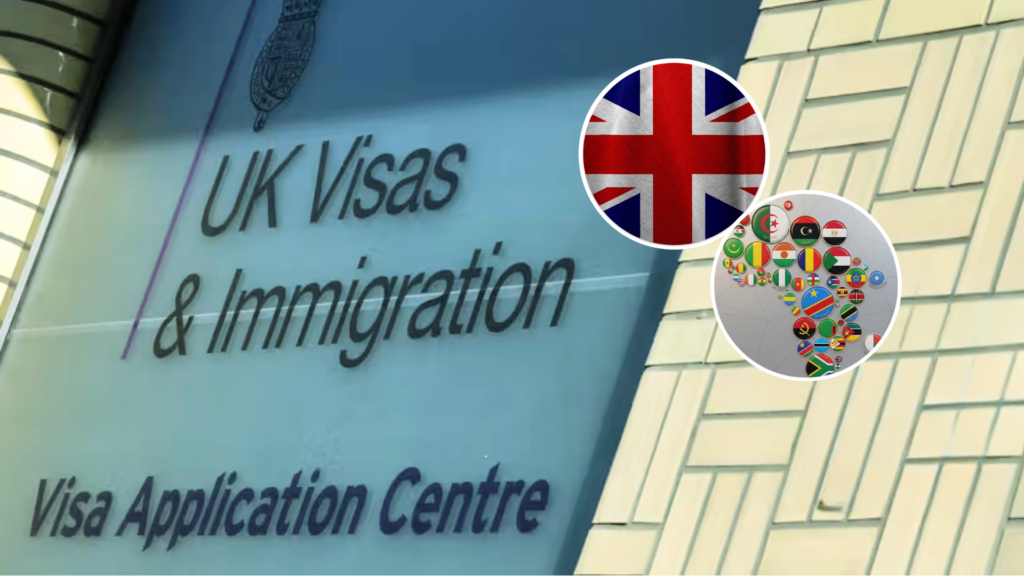
The UK visa fee increase 2026 represents more than a routine policy update. Effective April 8, 2026, the UK Home Office will raise most visa and immigration fees by approximately 6 to 7 percent, impacting travelers, students, and skilled workers alike. Notably, the cost of Indefinite Leave to Remain will rise to over £3,200, significantly increasing the financial commitment required for long-term settlement.
For many applicants, particularly across Africa, the impact is even more pronounced. Currency fluctuations mean these increases translate into a much higher real cost, making access to the UK more expensive than ever before.
However, beyond the numbers, this shift reflects a broader transformation in how global access is structured, priced, and perceived. For HNWI, business owners, and investors, this is not simply about rising costs. Instead, it signals a deeper change in mobility strategy, positioning, and long-term planning.
As global demand for stable and well-regulated jurisdictions continues to grow, access is becoming more selective. As a result, the UK visa fee increase 2026 is reshaping how individuals and families approach international opportunities.
Strong Demand Behind the Increase
The UK continues to attract global talent, capital, and entrepreneurs. Moreover, its legal stability, financial strength, and global connectivity make it a preferred destination.
When fees increase without weakening demand, it sends a clear message. In other words, the system remains valuable and trusted.
This trend highlights several important signals:
- The UK maintains strong global appeal
- Demand for access remains consistent
- Immigration systems are evolving toward sustainability
Therefore, for investors, these signals reinforce confidence in the long-term strength of the jurisdiction.
More Than Just Higher Costs
At surface level, the increase of around 6 to 7 percent may seem moderate. However, when combined with other expenses, the total cost becomes more significant.
Applicants must also consider:
- Immigration Health Surcharge
- Legal and advisory fees
- Documentation and processing costs
- Relocation and settlement expenses
As a result, mobility is no longer just a process. It is becoming a structured financial decision.
For HNWI, this aligns with how premium systems operate. Higher costs often come with stronger frameworks and more reliable outcomes.
Mobility Is Becoming a Strategy
The rise in visa costs is accelerating a key shift. Mobility is no longer reactive. It is strategic.
Instead of focusing on a single destination, investors are now building broader access. This involves planning for flexibility, security, and long-term continuity.
A structured mobility strategy often includes:
- Access to multiple jurisdictions
- Long-term residency or citizenship planning
- Protection of family and business interests
This approach allows individuals to adapt to changing policies while maintaining control over their global position.
Why This Matters for HNWI and Investors
For HNWI, global access is directly linked to opportunity and risk management. The UK remains attractive, but rising costs encourage deeper evaluation.
Investors are no longer asking only where to go. They are asking how to secure access efficiently and sustainably.
This shift leads to more informed decision-making. It also drives interest in solutions that offer predictability and long-term value.
The Rise of Structured Alternatives
As traditional pathways become more selective, many investors are exploring complementary options. These solutions provide a more controlled and efficient route to global access.
Rather than replacing traditional visas, they enhance mobility strategies by offering:
- Greater clarity in requirements
- Faster and more predictable timelines
- Increased flexibility across jurisdictions
For HNWI, this layered approach ensures resilience in an evolving global landscape.
Confidence and Credibility in the System
Rising visa fees often reflect confidence from the issuing country. Governments increase costs when they trust that demand will remain strong.
This strengthens the perception of credibility. For investors, credibility is essential when choosing where to establish long-term presence.
At the same time, higher costs naturally filter applicants. This leads to a more serious and committed applicant base, which supports system stability.
UK Visa Fee Changes and Cost Comparisons
To better understand the impact of the UK visa fee increase 2026, it is important to look at how costs are changing across major visa categories. While the percentage increase may seem moderate, the actual price differences are significant, especially when applied across multiple applications or family members.
Here is a clear comparison of the most relevant changes:
- Visitor Visa
Previously around £127 → Increasing to approximately £135
Even short-term travel now carries a higher entry cost - Student Visa
Previously around £524 → Rising to approximately £558
This adds further pressure on international education budgets - Skilled Worker Visa (up to 3 years)
Previously around £769 → Increasing to approximately £819
Longer-term visas exceed £1,600, raising costs for both employers and professionals - Indefinite Leave to Remain (ILR)
Previously £3,029 → Rising to over £3,200
This is one of the most significant increases, directly impacting long-term settlement planning
Although these increases fall within a 6 to 7 percent range, the real impact is cumulative. When combined with additional costs such as the Immigration Health Surcharge, legal fees, and relocation expenses, the total financial requirement becomes substantially higher.
For African applicants, this effect is even more pronounced. Due to weaker local currencies, even small increases in GBP translate into a much larger financial burden in real terms.
As a result, what appears to be a modest policy adjustment is, in reality, a meaningful shift in the cost of global access.
A Global Shift in Mobility
The UK is part of a wider global trend. Countries are refining their immigration systems to attract high-value individuals while maintaining control and efficiency.
This shift includes:
- Increased costs and stricter requirements
- Greater focus on economic contribution
- More structured and selective pathways
As a result, global mobility is becoming more competitive and more strategic.
Positioning Ahead of Change
The UK visa fee increase 2026 should be seen as an early indicator of future trends. Access to top-tier jurisdictions will likely continue to evolve.
For HNWI, business owners, and investors, the key is preparation. Those who act early can secure better opportunities and avoid limitations created by future policy changes.
Proactive planning ensures:
- Greater flexibility
- Stronger global positioning
- Long-term security
Contact us if you are interested in Citizenship by Investment
Our expert advisors will have a 1-on-1 consultation to find the best solutions for you and your family and guide you through the procedure.
Positioning Ahead of Change
The UK visa fee increase 2026 reflects a clear shift in global mobility. It highlights strong demand, reinforces system credibility, and signals a move toward more structured access.
For investors, this is not simply a cost increase. It is a strategic signal. Rising fees emphasize the importance of planning, diversification, and long-term thinking.
As mobility becomes more selective, those who take a proactive approach will be better positioned to secure access, protect their interests, and navigate an increasingly complex global environment. The UK visa fee increase 2026 ultimately reinforces the need for a well-structured global mobility strategy.
If you are planning your next move in global mobility, this is the time to act. Connect with our team to explore structured solutions that align with your long-term goals and give you greater control over your international future.
Frequently Asked Questions
Related Articles

Beijing Is Watching Your Wealth; Turkey Offers a Legal Pathway
In an era of rising financial scrutiny, global investors are taking action. Discover why 89% of Chinese HNWIs are exploring…
Kenya China Trade Agreement Strengthens Economic Ties
The Kenya China trade agreement opens duty free access to 98% of exports, strengthening economic ties and investor confidence. For…

Investor Demand Surges Amid Dominica’s Iranian CBI Suspension
Caribbean CBI programs are tightening eligibility, and investors are responding بسرعة. Discover why HNWI are accelerating applications, how Dominica’s recent…

What HNWI Need to Know About St Kitts Public Benefit
The St Kitts and Nevis Public Benefit Option offers HNWI a simple, transparent path to second citizenship. By focusing on…
7 European Tax Regimes Attracting Global Wealth in 2026
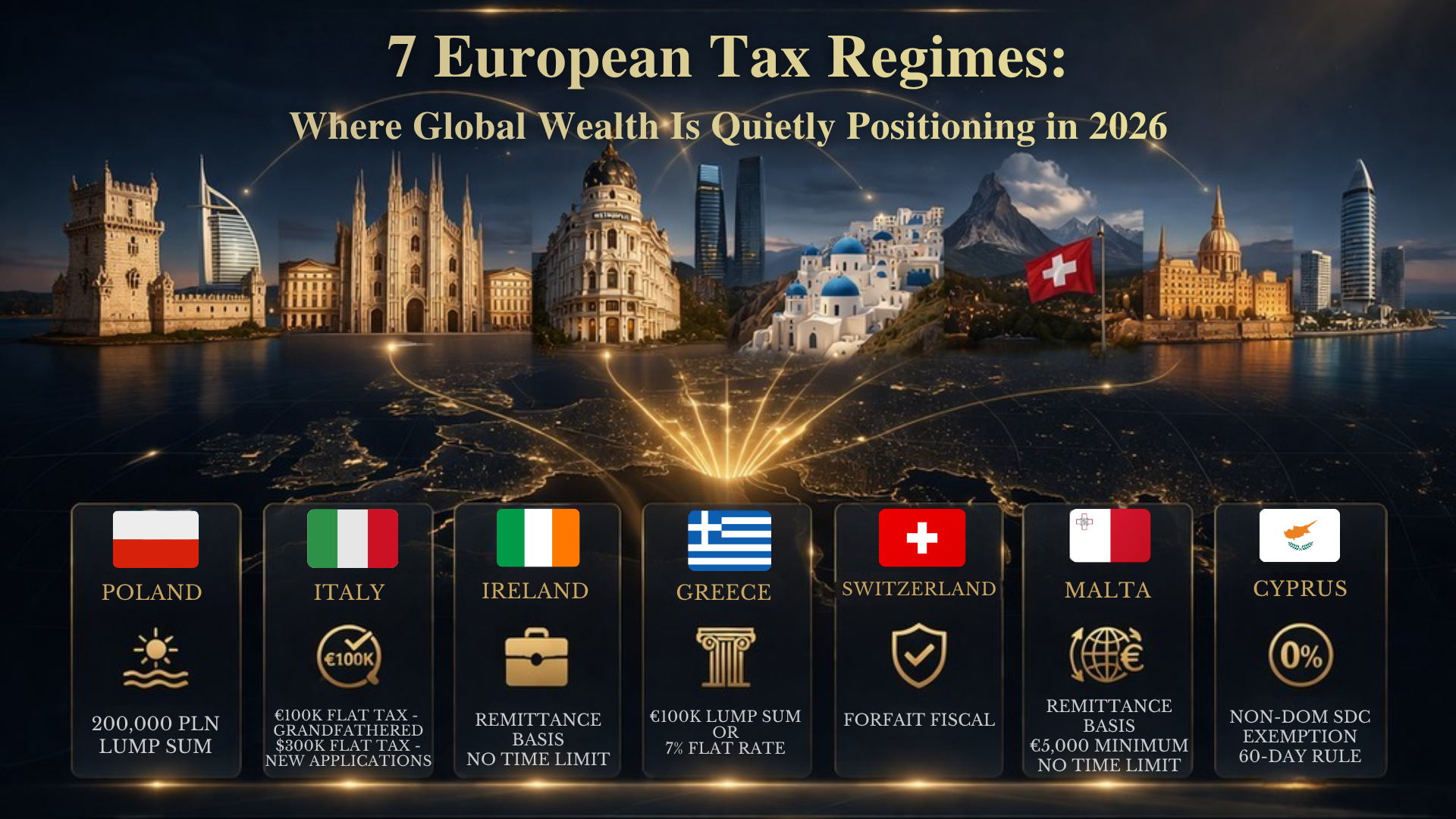
European tax regimes are reshaping global wealth strategies in 2026. From Cyprus’ non-dom system to Italy’s €300,000 flat tax, investors…

£8.1B UK-Nigeria Trade: Nigerian Fintech and Banks Go Global
UK-Nigeria trade growth reaching £8.1B highlights a shift in global capital movement. Nigerian fintech and banks are expanding into the…

$200M Nigeria-UAE Agreement Signals Investor Confidence
The Nigeria UAE agreement marks a major shift in global investment strategy. With $200 million committed to technology and infrastructure,…