
Portugal May Double Citizenship Timeline from 5 to 10 Years

Portugal Golden Visa Citizenship Timeline: 5 to 10 Years Explained
The Portugal citizenship timeline may extend from 5 to 10 years, but the more important conversation is not about time alone. It is about structure.
Recent discussions around nationality law highlight a shift toward deeper integration, where residency is no longer just maintained but actively demonstrated. For high-net-worth individuals, business owners, and global investors, this signals a more sophisticated direction in investment migration.
The focus is moving from passive residency to meaningful participation.
A Shift Toward Early Integration
One of the most compelling proposals within the broader discussion is the idea of accelerating permanent residency through early integration.
Under this model, temporary residents could qualify for permanent residency in as little as two years. However, this would not be automatic.
Applicants would need to demonstrate:
- Basic Portuguese language proficiency at A2 level
- Knowledge of civics and national history
- Financial self-sufficiency
This approach introduces a clear standard. Residency is no longer just about time spent in the country. It becomes a reflection of engagement and commitment.
A Structured Pathway for Different Investor Profiles
The proposal also introduces differentiated pathways depending on the type of resident.
Non-EU nationals could access permanent residency within two years by meeting integration requirements. EU and CPLP nationals would follow a similar track, recognizing their closer cultural and linguistic alignment with Portugal.
For Golden Visa holders and highly qualified residents, the structure becomes even more strategic.
They could receive permanent residency immediately upon approval of their residence permit. However, this comes with a condition.
Within two years, they must demonstrate compliance with language, civics, and integration requirements. Failure to meet these standards would reset their permanent residency status.
This creates a clear incentive. Early engagement becomes essential rather than optional.
Why This Matters for HNWI
For HNWI, this model represents a shift toward performance-based residency.
Instead of waiting passively for eligibility, investors are encouraged to actively participate in the system. This aligns with how sophisticated investors approach global mobility.
Residency is no longer viewed as a transactional process. It becomes part of a broader strategy that includes cultural alignment, local presence, and long-term positioning.
This type of structure also enhances program credibility. Governments are more likely to maintain frameworks that encourage genuine integration.
A More Balanced Investment Migration Model
The proposed approach addresses a long-standing challenge in investment migration.
Many programs have been criticized for offering access without requiring meaningful connection. By introducing integration benchmarks, Portugal positions itself differently.
It creates a balance between accessibility and accountability.
For investors, this reduces long-term risk. Programs that demonstrate clear social and economic value are less likely to face political pressure or abrupt changes.
This is particularly important for those planning across generations.
From Passive Residency to Active Participation
The shift toward integration marks a broader evolution in global mobility.
Investors are no longer simply acquiring residency rights. They are building optionality within stable jurisdictions.
Language proficiency, cultural understanding, and local engagement become part of the investment.
For many HNWI, this is not a barrier. It is an opportunity.
It allows for a deeper connection to the country while maintaining global flexibility.
Portugal’s Strategic Position
Portugal continues to stand out as a forward-thinking jurisdiction.
Rather than removing access, it is refining how access is structured. The introduction of integration-based pathways signals a commitment to long-term sustainability.
For investors, this reinforces confidence.
A system that rewards engagement is more likely to remain stable and credible over time.
Portugal is not closing doors. It is redefining the expectations behind them.
What Investors Should Consider
This evolving framework requires a shift in mindset.
Investors should begin to think beyond timelines and focus on readiness.
Language acquisition, cultural awareness, and local engagement are becoming valuable components of residency planning.
Those who prepare early will benefit the most.
This approach also creates flexibility. Investors who meet integration requirements quickly may progress faster within the system, even in a longer overall timeline.

Long-Term Value in a Changing Landscape
The potential extension of the Portugal citizenship timeline is part of a larger transformation.
Global mobility is becoming more structured, more selective, and more aligned with national priorities.
For HNWI, this is not a limitation. It is a maturation of the market.
Portugal’s direction reflects a move toward quality over speed, substance over convenience.
This creates a stronger foundation for long-term residency and citizenship outcomes.
Contact us if you are interested in Citizenship by Investment
Our expert advisors will have a 1-on-1 consultation to find the best solutions for you and your family and guide you through the procedure.
Conclusion
The Portugal citizenship timeline may extend from 5 to 10 years, but the more meaningful development lies in how residency itself is being redefined.
By introducing integration-based pathways, Portugal is creating a system that rewards engagement, commitment, and long-term alignment.
For investors, this represents a more stable and credible environment.
Understanding and adapting to these changes will be key to building a successful global mobility strategy.
If you are considering Portugal or reviewing your residency strategy, now is the time to plan ahead. Speak with our expert team to understand how integration requirements and evolving timelines may impact your position and how to stay ahead in a changing landscape.
Frequently Asked Questions
Related Articles

Beijing Is Watching Your Wealth; Turkey Offers a Legal Pathway
In an era of rising financial scrutiny, global investors are taking action. Discover why 89% of Chinese HNWIs are exploring…
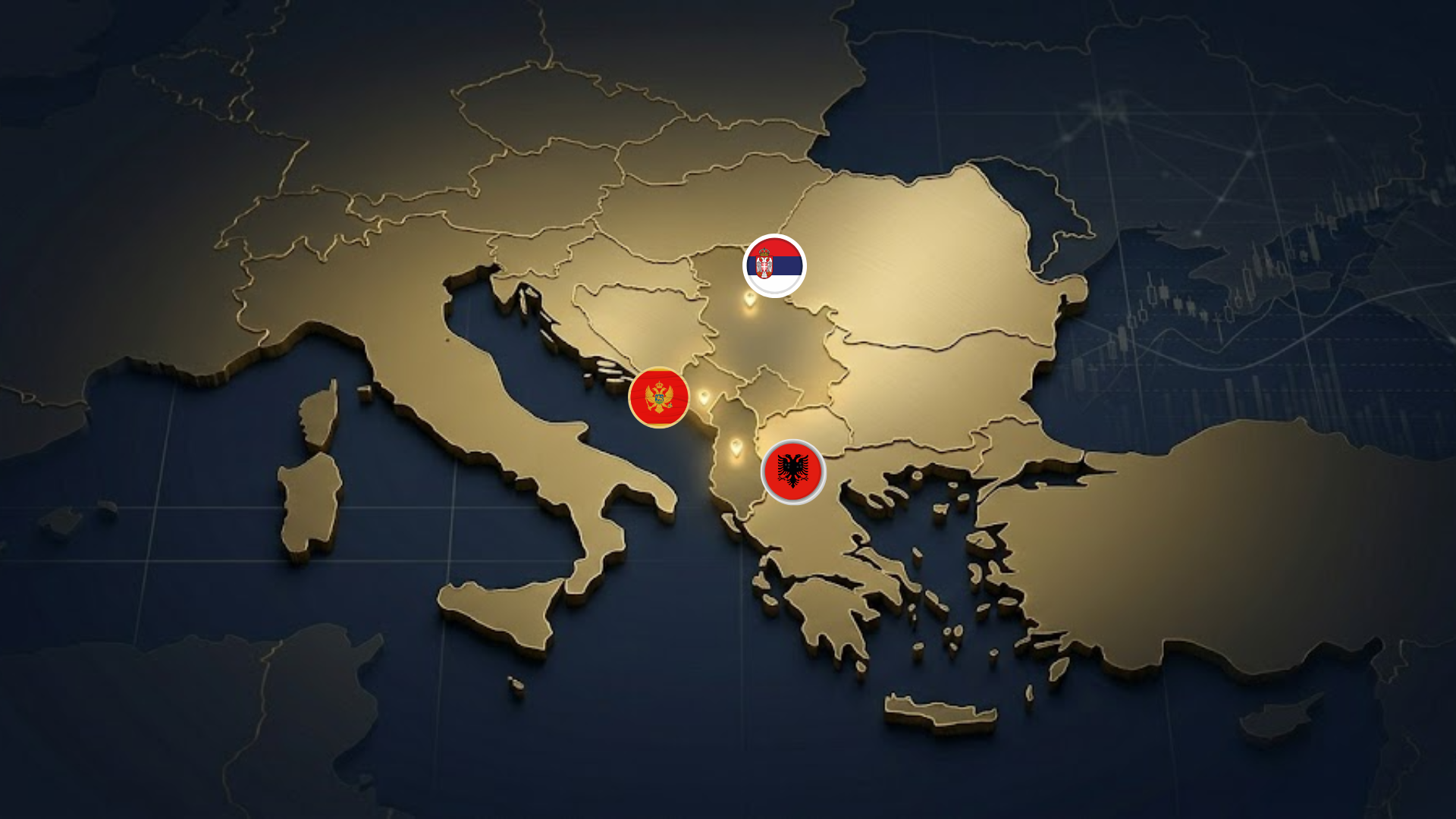
3 Balkan Residency Markets HNWI Are Quietly Watching in 2026
Balkan investor visa opportunities are attracting HNWI seeking early entry into emerging European markets. Albania, Montenegro, and Serbia offer flexibility,…

From the Gulf to Global: Where Strategic Investors Are Going
Strategic investors are moving beyond single-country reliance. This blog explores Gulf alternatives for HNWI, covering global destinations, residency strategies, and…

Fast-Track Citizenship: Get a Passport in Under 3 Years
Fast citizenship in under 3 years is transforming how HNWI investors approach global mobility and risk. Discover the fastest countries,…

Caribbean Air Expansion with Air Peace Connects Nigeria to Key
Caribbean air expansion with Air Peace connects Nigeria to key destinations, improving global mobility for HNWI investors. Enhanced connectivity supports…
Rising Restrictions Are Driving Strategic Mobility for Iranian HNWIs
Rising restrictions are reshaping global mobility for Iranian HNWIs. Discover how strategic residency and citizenship planning can protect wealth, ensure…

Ethiopia Introduces 10 Year Golden Visa to Attract Global Investors
Ethiopia’s 10 year Golden Visa signals rising investor confidence in emerging markets. For HNWI and global investors, it offers long…