
Kenya China Trade Agreement Strengthens Economic Ties
Introduction
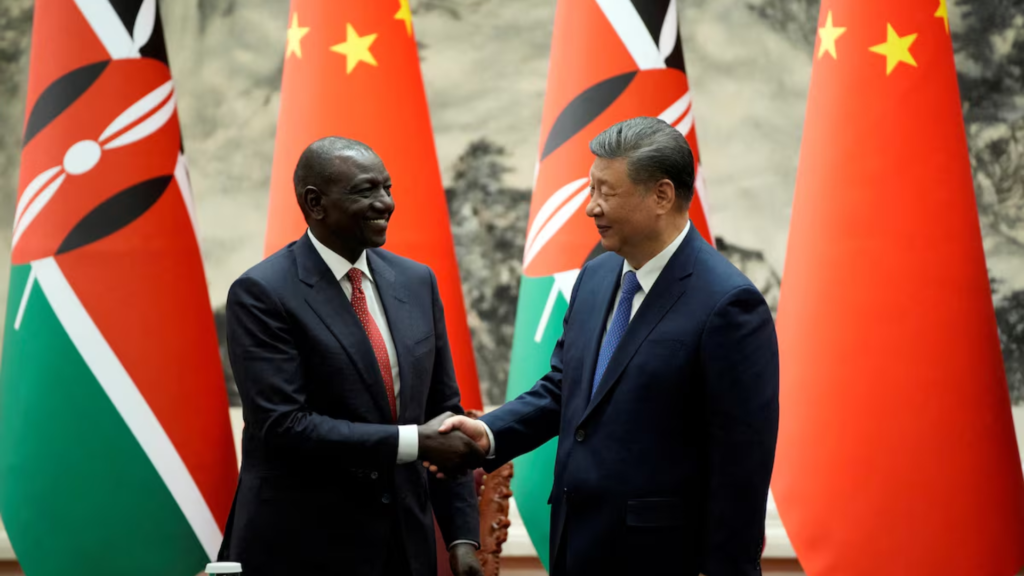
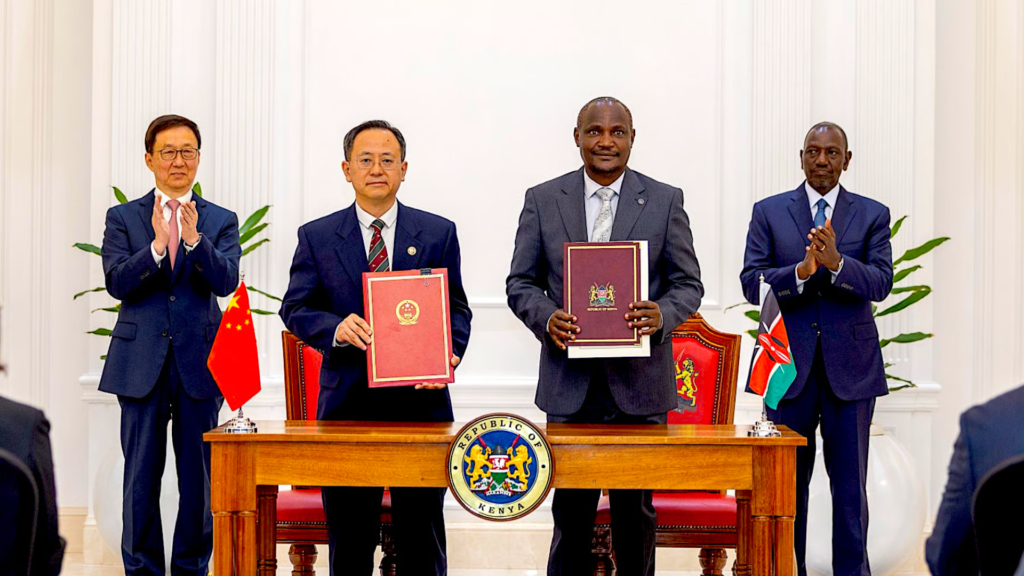
The Kenya China trade agreement marks a major shift in global trade and investment patterns. For HNWI, business owners, and global investors, this development signals more than improved exports. It reflects a growing alignment between emerging markets and global economic power.
As Kenya secures duty free access to 98% of its exports into China, it strengthens its role in international trade. At the same time, this agreement builds trust, improves market access, and creates new pathways for long term investment growth.
A Deeper Economic Partnership
To begin with, Kenya and China have maintained strong economic ties for many years. However, this latest agreement takes that relationship to a new level by removing key trade barriers.
As a result, Kenyan exporters now benefit from:
- Lower costs when entering the Chinese market
- Increased competitiveness across global trade
- Access to a significantly larger consumer base
More importantly, this agreement signals that Kenya is becoming a trusted and reliable trade partner. For investors, this level of alignment often reflects stability and long term opportunity.
Why This Matters for HNWI and Investors
For HNWI and business leaders, investment decisions depend on access, stability, and growth potential. In this context, Kenya is positioning itself as a strategic destination.
First, Kenya acts as a gateway to East Africa. It connects investors to regional markets, growing populations, and expanding infrastructure. As a result, businesses can scale beyond a single country.
In addition, the agreement strengthens investor confidence. Strong international partnerships reduce uncertainty and signal clear economic direction.
Key indicators include:
- Deepening economic cooperation with China
- Improved trade policies and reduced barriers
- Long term alignment with global markets
Therefore, Kenya becomes more predictable and attractive for long term capital allocation.
Expanding Opportunities Across Key Sectors
The impact of this agreement extends across several industries, creating a diverse investment landscape.
Agriculture continues to lead. With improved access to China, exports such as tea, coffee, and fresh produce can scale significantly. This increases demand while improving pricing power.
At the same time, manufacturing is gaining momentum. Lower trade barriers support export driven production, which encourages industrial growth and infrastructure development.
The textile sector also benefits from increased access to global markets. As production scales, businesses can compete more effectively and expand their reach.
Together, these sectors create strong foundations for both immediate returns and long term growth.
Trade and Long Term Wealth Strategy
Another important factor is credibility. Countries that actively strengthen trade ties often improve their global reputation.
This leads to:
- Increased foreign direct investment
- Greater trust among global investors
- Stronger long term economic positioning
While Kenya does not currently offer a formal citizenship by investment program, its growing economic strength and partnerships make it increasingly relevant in global mobility strategies.
In simple terms, trust drives investment, and this agreement reinforces that trust.
Broader Economic Impact
Beyond trade, the agreement supports wider economic development. China’s involvement in Kenya has contributed to major infrastructure improvements, including transport systems, logistics networks, and energy projects.
As a result, businesses benefit from better efficiency and connectivity.
At a regional level, Kenya’s growth strengthens East Africa by improving supply chains and increasing cross border trade. This creates a broader ecosystem for investors looking at regional expansion.
Balancing Opportunity with Risk
Despite strong potential, investors should maintain a balanced perspective.
One key consideration is trade imbalance. China has historically exported more to Kenya than it imports. Although this agreement improves Kenya’s position, balance will take time.
In addition, competition will increase. Kenyan businesses must meet international standards to succeed globally. This requires strong production, efficient logistics, and clear positioning.
Therefore, investors should focus on due diligence, including:
- Understanding local regulations
- Evaluating market entry strategies
- Assessing operational risks
Positioning for the Future
Given these developments, timing becomes critical. Markets that gain strong trade access often experience rapid growth in early stages.
Investors who act early can benefit from:
- Entry into high growth sectors
- Long term market expansion
- Stronger positioning before competition increases
Kenya is steadily building its profile as a globally connected economy. As it strengthens trade relationships, it becomes increasingly attractive for international investors.
Contact us if you are interested in Citizenship by Investment
Our expert advisors will have a 1-on-1 consultation to find the best solutions for you and your family and guide you through the procedure.
A Strategic Opportunity for Global Investors
The Kenya China trade agreement reflects a broader shift in global economics. Emerging markets are becoming central to investment strategies, not secondary options.
For HNWI, business owners, and investors, this presents a clear opportunity to align with a market that offers access, growth, and rising global relevance.
Global markets are evolving rapidly, and strategic positioning has never been more important. Kenya’s strengthened economic ties with China present a compelling opportunity for forward thinking investors.
If you are exploring diversification, expansion, or global mobility strategies, now is the time to act. Connect with our team to explore how this opportunity can align with your long term investment goals.
Frequently Asked Questions
Related Articles

Beijing Is Watching Your Wealth; Turkey Offers a Legal Pathway
In an era of rising financial scrutiny, global investors are taking action. Discover why 89% of Chinese HNWIs are exploring…

Investor Demand Surges Amid Dominica’s Iranian CBI Suspension
Caribbean CBI programs are tightening eligibility, and investors are responding بسرعة. Discover why HNWI are accelerating applications, how Dominica’s recent…

What HNWI Need to Know About St Kitts Public Benefit
The St Kitts and Nevis Public Benefit Option offers HNWI a simple, transparent path to second citizenship. By focusing on…

7 European Tax Regimes Attracting Global Wealth in 2026
European tax regimes are reshaping global wealth strategies in 2026. From Cyprus’ non-dom system to Italy’s €300,000 flat tax, investors…

£8.1B UK-Nigeria Trade: Nigerian Fintech and Banks Go Global
UK-Nigeria trade growth reaching £8.1B highlights a shift in global capital movement. Nigerian fintech and banks are expanding into the…
$200M Nigeria-UAE Agreement Signals Investor Confidence
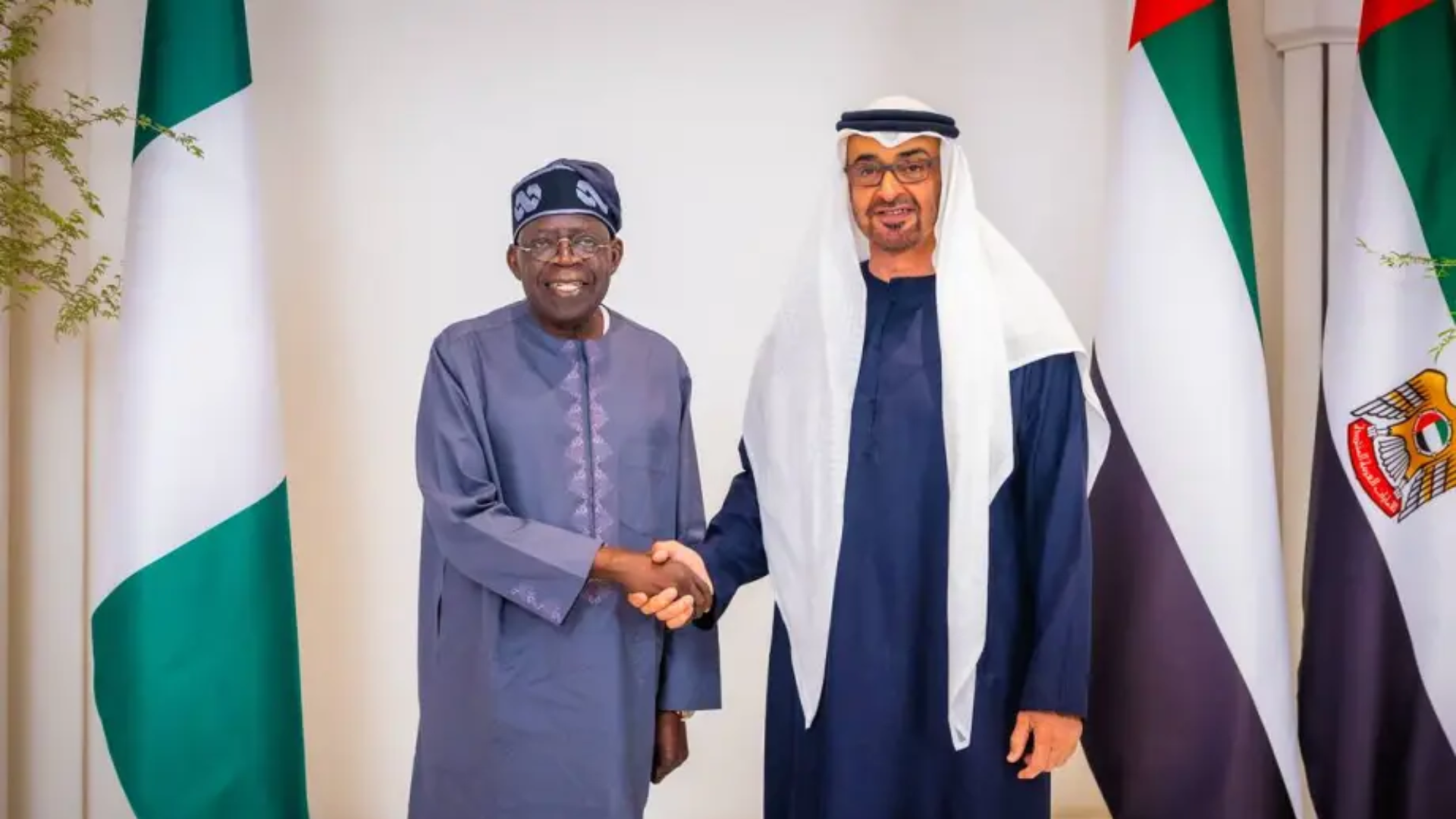
The Nigeria UAE agreement marks a major shift in global investment strategy. With $200 million committed to technology and infrastructure,…

Grenada and St Kitts Lead Global Demand in CBI Programs
Grenada and St Kitts Citizenship by Investment programs continue to lead as global demand rises. HNWI are turning to proven…