
58% of New Trade Growth Happens Outside the U.S.
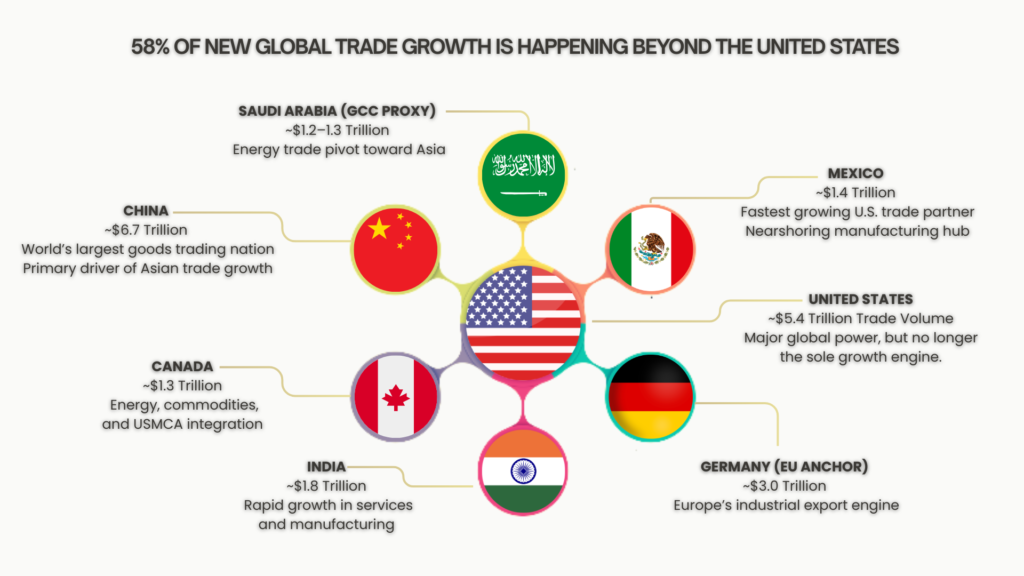
58% of New Trade Growth Happens Outside the U.S., and this statistic confirms a structural transformation in the global economy. Rather than revolving around a single dominant axis, global trade expansion is now distributed across multiple economic power centers. As a result, capital flows, industrial production, and strategic alliances increasingly reflect a multipolar framework.
Historically, global commerce concentrated around the United States due to deep capital markets, strong legal protections, and unmatched consumer demand. However, recent geopolitical developments, supply chain disruptions, and regional integration efforts have accelerated diversification. Consequently, new trade momentum now emerges across Asia, the Middle East, and parts of Europe and Latin America.
For high net worth individuals, business owners, and global investors, this shift demands serious attention.
The Emerging Trade Architecture
Around the U.S., Six Major Economies Illustrate the Structural Diversification of Global Trade
- China ~$6.7 trillion
The world’s largest goods trading nation. Manufacturing scale and export dominance position China as the primary driver of Asian trade expansion. - Germany ~$3.0 trillion
Europe’s industrial anchor. As the EU’s export engine, Germany sustains European trade strength, although growth momentum increasingly shifts toward Asia and the Middle East. - India ~$1.8 trillion
Rapid expansion across services, digital infrastructure, and manufacturing diversification. Demographic and industrial growth reinforce Asia’s rising global influence. - Saudi Arabia ~$1.2–1.3 trillion
A key Gulf Cooperation Council proxy. Energy flows increasingly pivot toward Asian markets, strengthening East-West trade corridors beyond traditional U.S.-centric channels. - Mexico ~$1.4 trillion
A major nearshoring manufacturing hub. Reconfigured supply chains have elevated Mexico’s strategic position within North America while linking it to broader global production networks. - Canada ~$1.3 trillion
Strong in energy and commodities, supported by USMCA integration. Trade partnerships continue expanding beyond traditional corridors.
Multipolar Growth, Not Decline
The statistic that 58% of New Trade Growth Happens Outside the U.S. does not suggest American decline. Instead, it reflects multipolar expansion.
Asia alone now accounts for a substantial portion of incremental global trade growth. Middle Eastern energy corridors increasingly link East and West. Europe maintains industrial strength, yet growth momentum shifts toward emerging regions.
In practical terms, trade no longer flows primarily along one axis. Instead, it circulates through interconnected regional systems.
For high net worth individuals and global business owners, this structural shift carries significant implications.
Why This Matters for Capital Strategy
Trade growth indicates where capital accumulates. Infrastructure follows trade. Investment follows infrastructure. Opportunity follows investment.
As growth disperses:
- Capital markets deepen outside traditional centers
- Regional financial hubs gain influence
- Bilateral trade agreements increase autonomy
- Currency diversification accelerates
Sovereign governments have already responded by diversifying reserves and strengthening regional partnerships. Private wealth strategies must align accordingly.
Strategic Diversification for HNWIs
Concentration risk now extends beyond asset allocation. Jurisdictional concentration introduces regulatory, tax, and geopolitical exposure.
Sophisticated families respond by:
- Expanding banking relationships across multiple regions
- Diversifying investment vehicles internationally
- Structuring businesses across more than one jurisdiction
- Securing mobility frameworks that support cross-border flexibility
Mobility and residency planning increasingly function as economic strategy rather than lifestyle preference.
Reputable investment-based residency and citizenship programs, particularly those with strong compliance frameworks and transparent due diligence, gain credibility in this environment. As scrutiny increases globally, structured programs grounded in regulation and oversight become more attractive to serious investors.
Energy, Manufacturing, and Digital Growth Corridors
The six-country framework highlights three major forces shaping trade:
Energy realignment
Manufacturing redistribution
Digital and services expansion
Saudi Arabia’s pivot toward Asia reflects energy diversification. Mexico’s rise signals supply chain restructuring. India’s acceleration underscores digital services growth. China’s scale anchors Asian production networks. Germany sustains European industrial capacity. Canada reinforces commodity flows.
Each represents a node in a decentralized system.
For investors, this networked model replaces the single-center paradigm that dominated previous decades.

Generational Wealth in a Distributed Economy
Long-term wealth preservation requires alignment with structural change. Families planning across generations must account for geopolitical rebalancing, evolving tax regimes, and shifting economic alliances.
Diversification across jurisdictions provides resilience. Legal clarity across multiple systems enhances continuity. Strategic mobility ensures flexibility.
The global economy is not fragmenting into isolation. Instead, it is expanding into multiple growth centers.
Contact us if you are interested in Citizenship by Investment
Our expert advisors will have a 1-on-1 consultation to find the best solutions for you and your family and guide you through the procedure.
A Strategic Perspective
When 58% of new trade growth happens outside the U.S., investors cannot rely solely on historical patterns. Data now confirms that economic momentum distributes more broadly than in previous decades.
The United States remains indispensable. However, Asia, Europe, and the Middle East increasingly shape global expansion.
Multipolar growth rewards strategic positioning.
If 58% of new trade growth happens outside the U.S., your wealth architecture should reflect that reality through diversified exposure, structured mobility, and disciplined cross-border planning.
If you are evaluating how to align your global diversification strategy with evolving trade dynamics, our advisory team provides structured, compliant, and strategic guidance tailored to high net worth individuals and international business leaders.
Frequently Asked Questions
Related Articles

Beijing Is Watching Your Wealth; Turkey Offers a Legal Pathway
In an era of rising financial scrutiny, global investors are taking action. Discover why 89% of Chinese HNWIs are exploring…

Investor Demand Surges Amid Dominica’s Iranian CBI Suspension
Caribbean CBI programs are tightening eligibility, and investors are responding بسرعة. Discover why HNWI are accelerating applications, how Dominica’s recent…

What HNWI Need to Know About St Kitts Public Benefit
The St Kitts and Nevis Public Benefit Option offers HNWI a simple, transparent path to second citizenship. By focusing on…
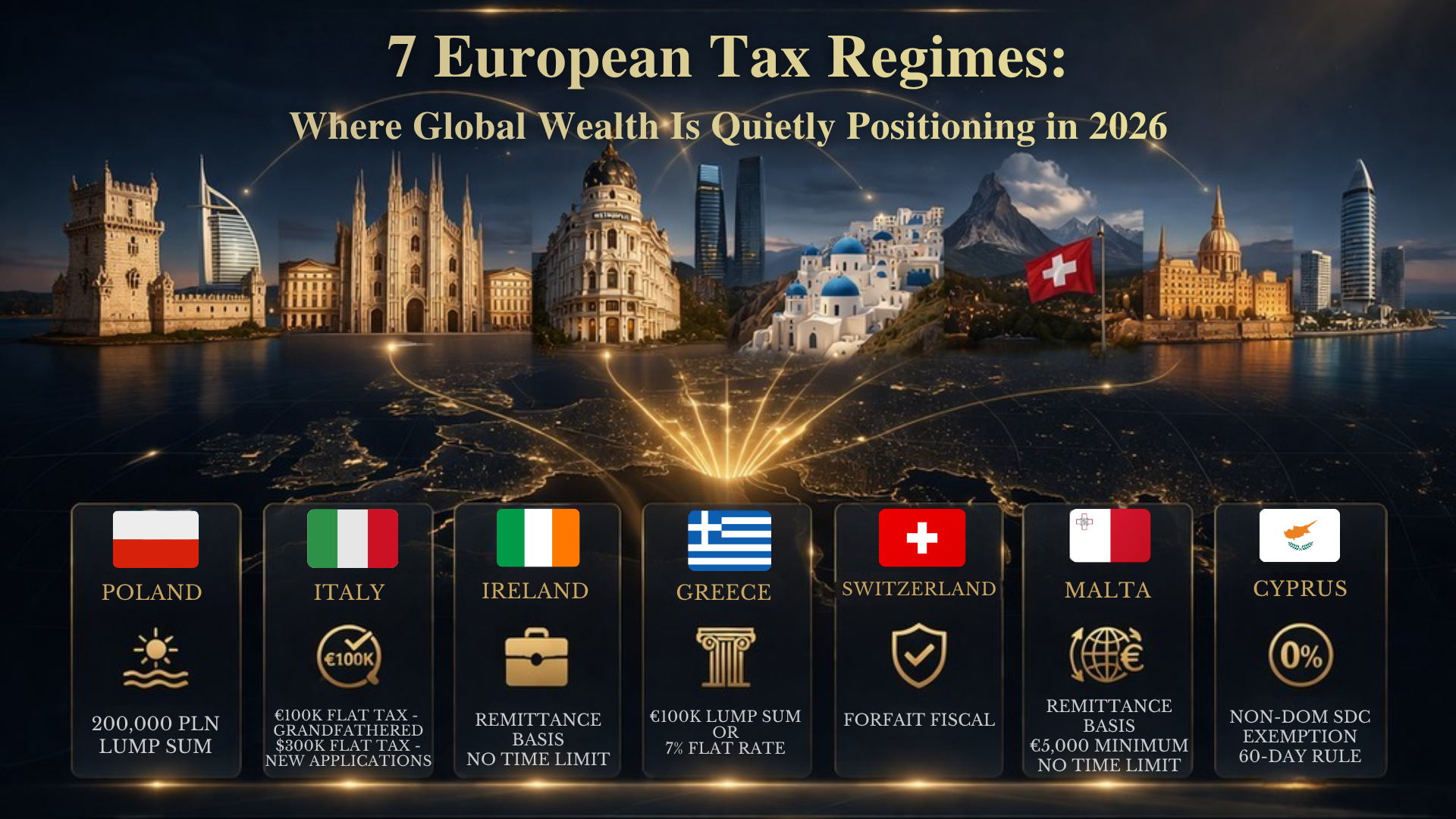
7 European Tax Regimes Attracting Global Wealth in 2026
European tax regimes are reshaping global wealth strategies in 2026. From Cyprus’ non-dom system to Italy’s €300,000 flat tax, investors…

£8.1B UK-Nigeria Trade: Nigerian Fintech and Banks Go Global
UK-Nigeria trade growth reaching £8.1B highlights a shift in global capital movement. Nigerian fintech and banks are expanding into the…
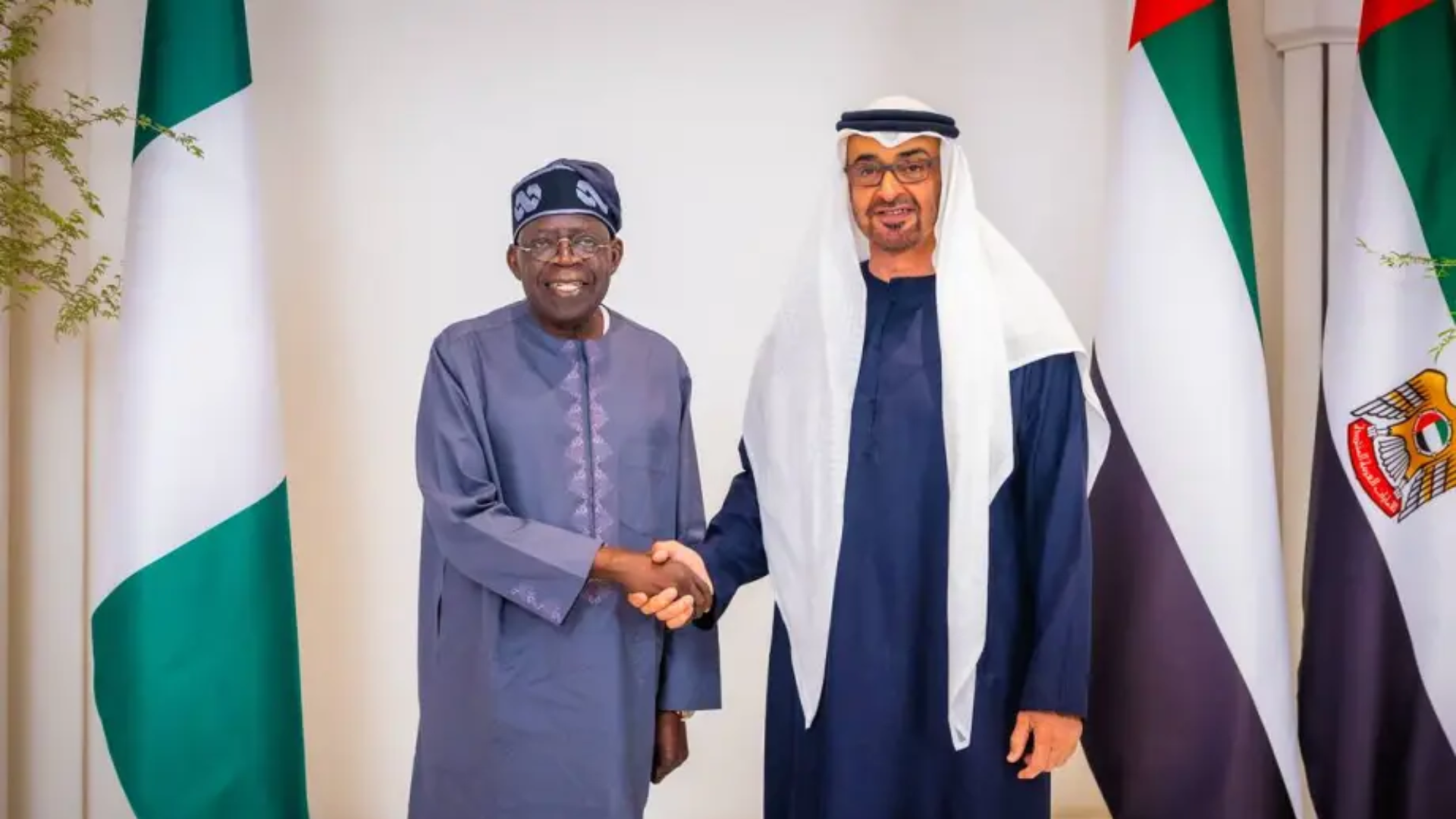
$200M Nigeria-UAE Agreement Signals Investor Confidence
The Nigeria UAE agreement marks a major shift in global investment strategy. With $200 million committed to technology and infrastructure,…

Grenada and St Kitts Lead Global Demand in CBI Programs
Grenada and St Kitts Citizenship by Investment programs continue to lead as global demand rises. HNWI are turning to proven…