
Antigua’s New CIP Bill Adds Audits and a 30 Day Stay
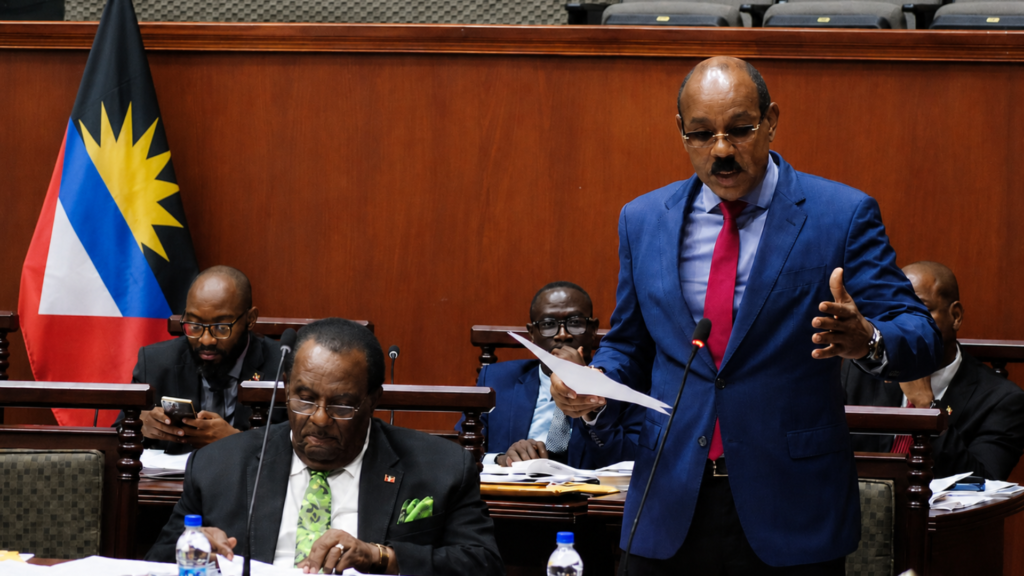
Antigua’s New CIP Bill could bring important changes to the country’s Citizenship by Investment Programme. The proposed reforms include annual independent financial audits, operational audits every two years, and a longer physical presence requirement. Successful applicants and their dependants may need to spend 30 days in Antigua and Barbuda during their first five years as citizens.
For HNWI, business owners, and global investors, these changes require careful review. A longer stay could increase travel costs and affect family schedules. However, stronger oversight could also improve transparency, programme trust, and long-term investor confidence.
The government introduced the measures through the Citizenship by Investment Amendment Bill 2026. Prime Minister Gaston Browne said the authorities had already applied the 30 day rule through administrative practice. However, Antigua and Barbuda’s official Citizenship by Investment Unit website still shows a five day requirement. Applicants should therefore confirm the rule that applies before submitting an application or arranging travel.
What Does Antigua’s New CIP Bill Propose?
The bill seeks to align Antigua and Barbuda’s national programme with the Eastern Caribbean Citizenship by Investment Regulatory Authority framework.
Its main proposals include:
- Annual independent financial audits of the Citizenship by Investment Unit
- Independent operational audits every two years
- Reports to the regional regulator every six months
- Compliance with regional standards and directions
- A 30 day physical presence requirement during the first five years of citizenship
The bill does not require new citizens to spend 30 days in the country every year. Instead, it sets a total of 30 days across five years after citizenship has been granted.
This point matters for investors with international companies, demanding travel schedules, or children in school. Families may have the option to divide the requirement across several visits, although the government must clarify the final process for counting and recording qualifying days.
Why the 30 Day Stay Matters to Investors
Antigua and Barbuda currently publishes a requirement for new citizens to spend at least five days in the country within five calendar years of receiving citizenship. Failure to meet that condition may lead to the loss of citizenship without repayment of the original investment or contribution.
Raising the total to 30 days would represent a significant increase, but many globally mobile families may still find it manageable. A family could use the visits for holidays, property inspections, regional business meetings, or time away from a demanding working environment.
However, investors should not treat the stay as a minor detail. The total cost may include flights, accommodation, local transport, meals, insurance, and time away from business operations.
The financial impact will depend on the family’s size and country of residence. An investor based near the Caribbean may find the requirement easier to complete than a family travelling from Asia, Africa, or the Middle East.
Applicants should include these travel expenses in the full cost of their citizenship plan.
Independent Audits Could Strengthen Trust
The proposed annual financial audit would examine how the Citizenship by Investment Unit manages, records, and reports programme funds.
An independent auditor can identify weak controls, inaccurate records, and gaps in financial reporting. The auditor can also assess whether the unit follows accepted accounting and reporting standards.
This type of review matters because citizenship programmes can generate major public revenue. Citizens, investors, and international partners need confidence that the government manages these funds responsibly.
The bill also calls for an operational audit every two years. This review could examine the unit’s daily work, including application processing, document controls, staff procedures, data protection, due diligence, and agent supervision.
Regular audits cannot remove every risk. However, they can help the authorities find problems earlier and improve weak systems before those issues damage the programme’s reputation.
For HNWI, stronger oversight can support a more informed decision. The quality of a programme’s governance may prove just as important as its cost, processing time, or travel benefits.
The Role of Regional Regulation
Antigua and Barbuda’s reforms form part of a wider regional effort to create shared standards among Eastern Caribbean countries that operate citizenship programmes.
Antigua and Barbuda passed legislation in 2025 to implement the agreement establishing the Eastern Caribbean Citizenship by Investment Regulatory Authority. The new regional structure aims to improve supervision, reporting, and coordination.
Under the 2026 bill, the Citizenship by Investment Unit would report to the regional authority every six months. The unit would also continue reporting to Antigua and Barbuda’s Parliament.
Regional oversight could help create consistent standards for applicant checks, programme management, and licensed agents. It may also reduce the risk of major differences between national procedures.
Global governments and financial institutions continue to examine investment migration closely. As a result, clear rules and strong due diligence have become essential to programme stability.
Countries that show effective oversight may have a stronger position during international talks. Investors may also feel more confident when a programme follows both national laws and regional standards.

Will the Investment Options Change?
The new bill focuses on audits, regulatory reporting, and physical presence. It does not announce new minimum investment amounts.
The official Citizenship by Investment Unit currently lists four main investment routes.
Applicants may make a minimum non-refundable contribution of US$230,000 to the National Development Fund. They may invest at least US$300,000 in an approved real estate project and generally hold that investment for five years.
A sole business applicant may invest at least US$1.5 million in an eligible business. A joint business investment must total at least US$5 million, with each applicant contributing at least US$400,000.
The University of the West Indies Five Islands Campus Fund route requires a minimum investment of US$260,000, including processing fees, under its qualifying conditions. Government processing and due diligence charges apply across the investment options.
Investment thresholds and government fees can change. Applicants should request a current cost estimate based on their chosen route, family structure, and dependant ages.
What the Bill Means for HNWI and Business Owners
HNWI and business owners often consider second citizenship as part of a wider risk management plan.
The goal may include greater mobility, family security, access to another jurisdiction, or protection against sudden political and economic change. Some investors also want more freedom when arranging business travel, education, succession planning, and future residence.
The proposed reforms do not remove these advantages. Instead, they may encourage applicants to consider the strength of the programme’s legal and regulatory structure.
A citizenship option should not rely only on speed or a low entry cost. Investors should also consider whether the country can maintain international trust, apply strong due diligence, and protect the programme over time.
Independent audits and regional supervision may support those goals. The 30 day stay may also create a stronger connection between new citizens and Antigua and Barbuda.
How Investors Can Prepare
Investors should avoid making decisions based only on headlines. They need to confirm the final legal text and understand how the government will apply the new rules.
Before starting an application, investors should review:
- Whether the 30 day rule applies to new or pending applications
- How the government will count qualifying days
- Whether each dependant must complete the full stay
- Which records will prove physical presence
- The complete investment and government fee structure
- Source of funds and source of wealth requirements
- Tax, succession, and business planning concerns
Citizenship does not automatically create tax residence, and it does not remove tax duties in another country. Applicants should seek personal legal and tax advice before changing their residence, business structure, or asset arrangements.
They should also work only with properly licensed professionals. A qualified adviser should explain costs, risks, timelines, and legal duties without guaranteeing approval.
Stronger Standards May Support Long-Term Value
The proposed measures may create extra responsibilities, but they could also support the programme’s future.
Annual financial audits can strengthen accountability. Operational reviews can improve the Citizenship by Investment Unit’s procedures. Regional reporting can create more consistent standards, while a longer stay can encourage new citizens to build a real connection with the country.
These factors matter because the long-term value of citizenship depends on more than immediate travel benefits. It also depends on legal certainty, responsible government, international credibility, and continued public support.
Investors should therefore view the reforms as part of a broader shift toward better regulated investment migration.
Contact us if you are interested in Citizenship by Investment
Our expert advisors will have a 1-on-1 consultation to find the best solutions for you and your family and guide you through the procedure.
Build a More Resilient Global Plan
Antigua’s New CIP Bill may change how investors budget for travel, complete their physical presence duties, and assess programme risk. Speak with an experienced investment migration adviser to compare citizenship by investment and residency by investment routes, review the latest legal requirements, and create a strategy that supports business continuity, family security, global mobility, and long-term confidence.
Frequently Asked Questions
Related Articles

Beijing Is Watching Your Wealth; Turkey Offers a Legal Pathway
In an era of rising financial scrutiny, global investors are taking action. Discover why 89% of Chinese HNWIs are exploring…

St. Kitts and Nevis Plans First African Biometric Centre in
St. Kitts and Nevis plans to open its first African biometric centre in Lagos. The move could make enrolment easier…

Uganda Level 4 Travel Advisory: Investor Guide
Uganda’s Level 4 travel advisory highlights how health, security, and mobility risks can affect international business decisions. This article explains…

Gulf Golden Visas Expand While Citizenship Remains Separate
Every GCC country now offers a Golden Visa or long term residency program, creating new opportunities for high net worth…

The Best Second Passport Is Not Always the Most Obvious
A second passport has become a strategic asset for high net worth individuals, business owners, and investors. Discover why choosing…

Caribbean Citizenship By Investment States Unite on EU Talks
Caribbean CBI states have united as the European Union increases scrutiny of investor citizenship programmes. This blog explains what the…
