
Caribbean Citizenship By Investment States Unite on EU Talks

Caribbean Citizenship By Investment at a Crossroads
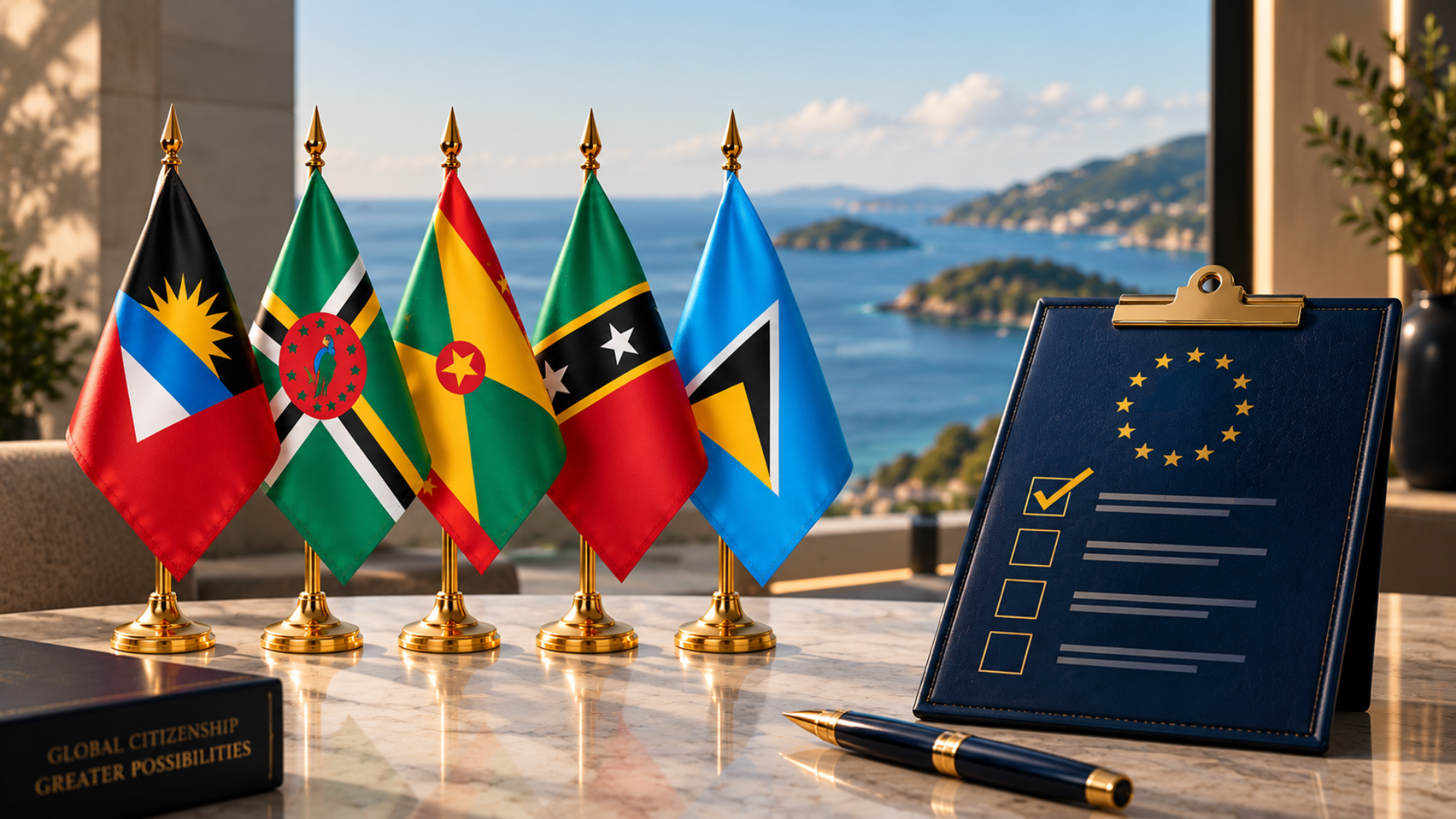
Caribbean citizenship by investment has entered an important period of change. Antigua and Barbuda, Dominica, Grenada, Saint Kitts and Nevis, and Saint Lucia have agreed to present a united regional position as the European Union increases its focus on investor citizenship programmes. For HNWI families, business owners, and global investors, this development requires careful analysis rather than a rushed reaction.
The programmes remain important tools for mobility, family security, wealth planning, and business flexibility. However, the latest discussions also show why investors must assess regulation, reputation, and international relations before making a long-term decision.
Information in this article reflects official statements and policy documents available as of July 2026.
Why the Caribbean States Have United
The leaders of the five participating Eastern Caribbean states met in Roseau, Dominica, on 10 July 2026. During the meeting, they reviewed recent communication from the European Commission and considered the possible effects of the EU’s revised Visa Suspension Mechanism.
To strengthen their position, the governments agreed to coordinate their diplomatic efforts and present a unified response during talks with European institutions and member states. Plans for a high-level mission to Brussels were also announced, with discussions expected to cover security, economic development, regional vulnerabilities, and future cooperation.
Such a coordinated approach is important because all five programmes face similar international concerns. By speaking with one voice, the region can negotiate more effectively and reduce the risk of inconsistent rules, standards, or policy messages.
What the EU Visa Rules Mean
In 2025, the European Union strengthened its Visa Suspension Mechanism. Under the revised framework, EU authorities can suspend visa-free travel when a third country operates an investor citizenship programme without requiring a genuine connection between the applicant and the country.
Visa-free access does not end automatically under this mechanism. European authorities must first review the situation, follow a formal process, and assess whether the country has addressed the concerns raised. However, the updated rules give the EU a clearer legal route to respond to identified security, migration, or policy risks.
An initial suspension may last 12 months, followed by a possible extension of up to 24 months while discussions continue with the affected country. In some cases, the EU may apply targeted measures that first affect government officials or holders of diplomatic passports.
For investors, the message remains clear. Visa-free access can provide significant value, but no country can guarantee that another government or regional bloc will maintain the same travel arrangements indefinitely.
The EU’s Main Concerns
The European Commission has raised concerns about how investor citizenship programmes may allow nationals from visa-required countries to enter the Schengen area after gaining a passport from a visa-free state.
Its concerns include the quality of applicant screening, the lack of a genuine connection to the granting country, possible name changes, tax risks, illegal migration, and wider security issues.
The Commission estimated that the five Eastern Caribbean programmes had issued about 107,000 passports. It also reported 13,113 applications in 2023 and 10,573 in 2024. These figures help explain why the EU views the issue as more than a small or isolated policy matter.
At the same time, European authorities have acknowledged that Caribbean governments have introduced reforms. These include stronger screening, improved information sharing, greater transparency, and a regional minimum investment threshold of US$200,000.
Regional Oversight Could Strengthen Confidence
The Eastern Caribbean states have taken steps to create a more coordinated regulatory system. One of the most important changes involves the Eastern Caribbean Citizenship by Investment Regulatory Authority.
The authority aims to introduce common standards across participating jurisdictions. Its role includes supervising agents, developers, promoters, and due diligence providers. It will also support minimum screening rules and stronger compliance with international practices.
Plans for a central regional database should improve information sharing about applicants and dependants. This system could help authorities identify repeated applications, inconsistencies, or risks across different programmes.
For responsible investors, stronger oversight can add value. More detailed checks may increase processing time, but they can also protect the reputation of approved applicants and support the long-term credibility of the programmes.
Why CBI Revenue Matters to the Caribbean
Caribbean governments view CBI revenue as a major source of development funding, not simply an income stream from passport applications.
According to the joint government statement, programme funds have supported climate resilience, disaster recovery, infrastructure, housing, healthcare, education, and fiscal stability. These funds have also helped small island states respond to major external shocks without relying only on additional borrowing.
This economic role will form an important part of discussions with the EU. The Caribbean leaders have argued that any major change should protect existing development gains and support alternative sources of funding.
They also want future talks to cover climate finance, economic diversification, strategic investment, and wider development cooperation. This approach places the programmes within a broader discussion about the needs of small island economies.
What HNWI Families Should Consider
HNWI applicants should not view citizenship as a simple purchase that delivers a fixed list of benefits. It represents a legal relationship with a sovereign country, and it requires detailed personal, financial, and legal assessment.
A sound review should consider the following areas:
- The applicant’s source of wealth and source of funds
- The programme’s legal foundation and regulatory structure
- Family inclusion and future dependant rules
- Tax residence and reporting obligations
- Business, banking, and compliance needs
- Current travel access and the risk of future changes
- The applicant’s long-term connection to the country
Investors should also prepare for deeper due diligence. Governments may request more documents, interviews, biometric information, or in-country visits as international standards develop.
Dominica, for example, announced plans in June 2026 to introduce an in-person visit and passport collection requirement for successful applicants. The government presented the measure as part of its work to protect programme credibility and create a stronger connection between new citizens and the country.

What This Means for Business Owners
For business owners, a second citizenship can support international planning, but it should fit within a wider corporate and family strategy.
Potential benefits may include greater travel flexibility, access to new markets, succession planning, and a more secure base during political or economic disruption. However, citizenship does not remove banking checks, tax duties, sanctions rules, or corporate reporting requirements.
Banks and financial institutions often conduct their own enhanced due diligence. They may review the applicant’s original nationality, residence, business activity, and source of wealth, even after the applicant receives another passport.
Therefore, investors should choose a programme based on legal value, stability, and personal suitability rather than one travel benefit alone.
Citizenship and Visa-Free Travel Are Different
These two benefits do not carry the same legal status.
A country grants citizenship under its national laws. Other countries decide whether that passport receives visa-free entry. They can change travel policies because of security concerns, diplomatic relations, migration trends, or wider political developments.
This distinction matters during the current EU discussions. A change to Schengen access would affect one benefit connected to a Caribbean passport, but it would not automatically cancel citizenship.
Investors should still review mobility carefully. However, they should also consider family security, inheritance planning, lifestyle options, business continuity, and the ability to establish a genuine long-term connection with another country.
Contact us if you are interested in Citizenship by Investment
Our expert advisors will have a 1-on-1 consultation to find the best solutions for you and your family and guide you through the procedure.
What Could Happen Next
The Caribbean governments have not announced the closure of their programmes. Their July 2026 statement instead focused on constructive negotiations, stronger standards, economic stability, and a coordinated diplomatic response.
Several outcomes remain possible. The region may introduce further screening measures, stronger physical presence rules, expanded reporting, or deeper international information sharing. The EU and Caribbean states may also negotiate transition arrangements or wider development support.
No responsible adviser should present a specific outcome as certain. The discussions involve several governments, legal systems, and policy interests.
Still, stronger regional cooperation offers a positive signal. Clear regulation and consistent standards can improve confidence, protect legitimate applicants, and separate well-managed programmes from weaker investment migration structures.
Build a Resilient Global Strategy
For HNWI families, business owners, and investors, the right response involves informed planning rather than rushed action. Contact our advisory team to compare Caribbean citizenship by investment, wider citizenship by investment programmes, and residency by investment routes based on family needs, business interests, risk tolerance, and long-term global mobility goals.
Frequently Asked Questions
Related Articles

Beijing Is Watching Your Wealth; Turkey Offers a Legal Pathway
In an era of rising financial scrutiny, global investors are taking action. Discover why 89% of Chinese HNWIs are exploring…

Dangote’s $35 Billion Fortune Finds a New Base in Dubai
Aliko Dangote built his industrial empire in Africa, but Dubai is taking an important role in how the family plans…

Where to Invest $2 Million for Passports and Residency
What could $2 million achieve if the goal went beyond financial returns? This portfolio combines residence rights in Panama, the…

Grenada CBI Reform Raises Questions Over Pending Applications
Grenada’s proposed CBI reforms go beyond a new physical presence requirement. Provisions concerning pending applications raise a wider question about…
The West Is Pushing to End Caribbean Citizenship by Investment
Caribbean CBI faces a major period of change as European pressure increases ahead of 2028. For HNWI, business owners and…
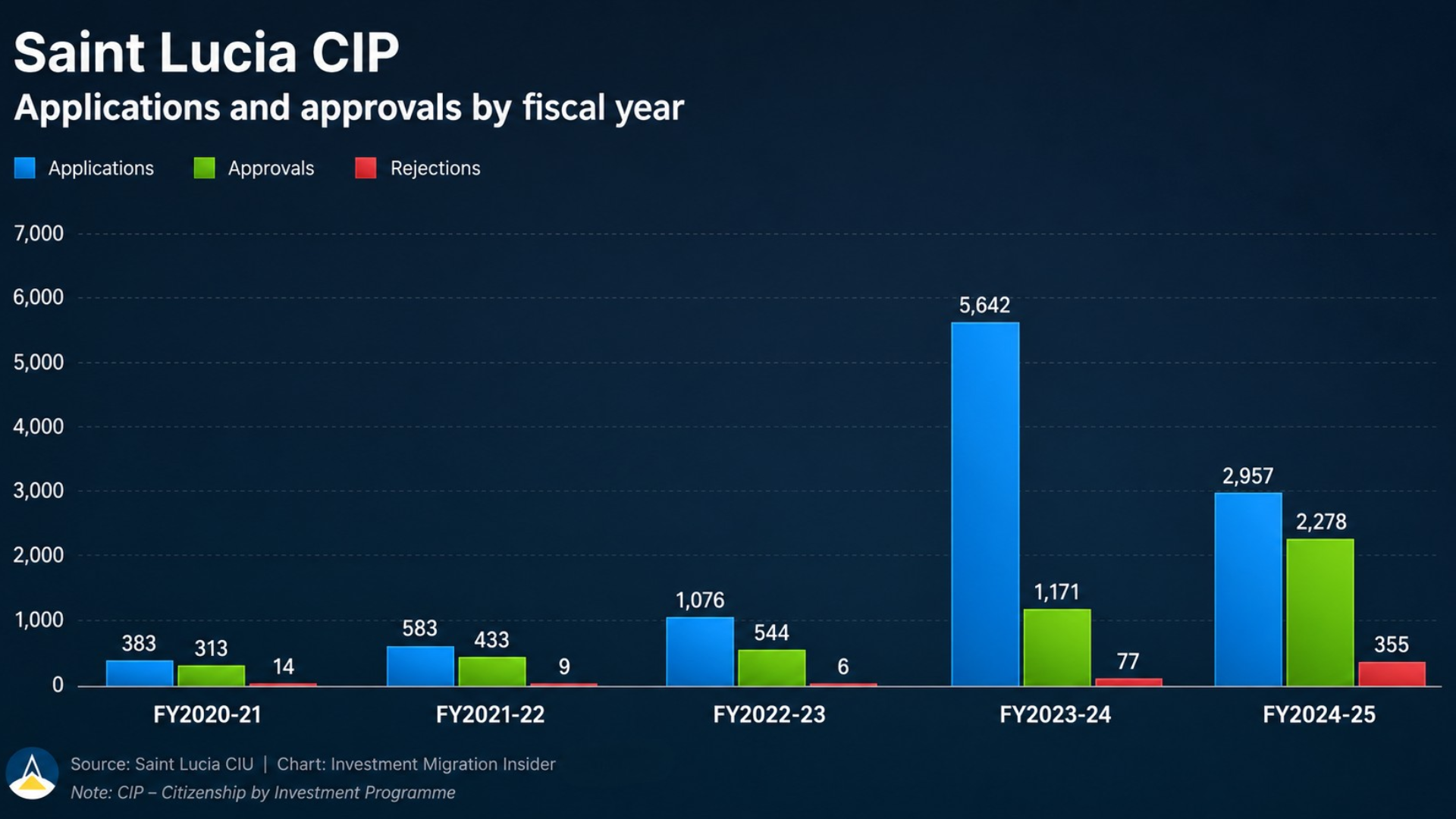
Saint Lucia Citizenship by Investment Approvals Reach 2,278
Saint Lucia approved 2,278 citizenship by investment applications in 2024/25 while completing 2,633 decisions. The programme also rejected 355 cases,…
