
Second Passports Are Leaving Their Golden Age Behind

For many years, second passports represented one of the most effective tools for high-net-worth individuals, business owners, and investors seeking greater global mobility. Obtaining an additional passport often meant easier travel, greater financial flexibility, and the confidence of having another option should circumstances change.
That landscape is evolving.
Governments are strengthening regulations, investment thresholds have increased in several jurisdictions, and international cooperation is reshaping the investment migration industry. While these developments have led many to believe that the golden age of second passports is over, the reality is more nuanced. The market is not disappearing. Instead, it is becoming more mature, more credible, and increasingly focused on long-term value.
For investors who understand these changes, the opportunities remain significant.
A More Mature Investment Migration Industry
The investment migration industry has grown considerably over the past decade. As demand increased, governments began paying closer attention to how citizenship and residency programs operate.
Today, many jurisdictions have introduced stronger due diligence procedures, enhanced compliance requirements, and more detailed source-of-funds verification. Several countries have also adjusted their investment thresholds to reflect growing demand and changing international expectations.
Although these developments require applicants to invest more time and preparation, they also strengthen the reputation of well-managed programs. Countries that maintain high standards are better positioned to protect the integrity of their citizenship and residency offerings while attracting investors who make meaningful economic contributions.
For serious applicants, stronger governance should be viewed as a positive development rather than an obstacle.
The Value of Second Passports Has Expanded
A second passport was once viewed primarily as a travel document.
Today, it plays a much broader role in international wealth planning.
For HNWIs and business owners, global mobility has become closely connected with business continuity, asset protection, family security, and long-term financial planning. Having access to another jurisdiction can provide greater flexibility during periods of political uncertainty, changing tax environments, or economic volatility.
Many internationally minded families also consider where their children may study, where businesses can expand, and where future generations may choose to live. In this context, a second passport becomes part of a much larger conversation about preserving opportunities rather than simply increasing visa-free travel.
Governments Are Raising Expectations
One of the most noticeable shifts across the industry is the increasing emphasis on applicant quality.
Governments want greater confidence in the individuals joining their countries through investment migration programs. As a result, due diligence has become more comprehensive, documentation requirements have expanded, and financial transparency has become increasingly important.
While these changes may lengthen application timelines, they also help preserve the long-term value of established programs. Investors benefit when citizenship programs maintain strong international reputations because credibility ultimately supports the strength and acceptance of the passports themselves.
The industry is gradually moving away from volume and toward quality, creating a healthier environment for both governments and qualified investors.
Global Mobility Is Becoming More Complex
International travel itself has also changed.
Many countries are introducing electronic travel authorization systems and additional pre-arrival screening requirements. Even travelers holding some of the world’s strongest passports are experiencing a more structured border process than they did only a few years ago.
These developments demonstrate that visa-free travel is no longer the only measure of mobility.
Residency rights, regional access, and long-term legal status are becoming increasingly valuable components of international planning. Investors who establish options across multiple jurisdictions often enjoy greater flexibility than those who rely entirely on one country.
This is one reason why many global families now view mobility as an ongoing strategy rather than a one-time investment.
Waiting Is No Longer the Best Strategy
One of the biggest misconceptions surrounding investment migration has always been the belief that opportunities will remain unchanged.
History suggests otherwise.
Several well-known programs have increased investment thresholds, introduced additional requirements, or closed entirely over the past decade. Investors who delayed their decisions often found themselves paying considerably more or losing access to programs that were once available.
Global mobility should be approached much like wealth management itself. Successful investors rarely wait until markets become uncertain before diversifying their portfolios. The same principle applies to international planning.
Building optionality before it becomes necessary allows families to make thoughtful decisions instead of reacting under pressure.
Diversification Extends Beyond Investments
Experienced investors understand the importance of diversification.
The same philosophy increasingly applies to international living.
Rather than relying solely on one country for citizenship, banking, business operations, and family life, many HNWIs are creating broader international footprints. They combine different jurisdictions to support various aspects of their personal and financial goals.
One country may provide an attractive place to operate a business. Another may offer strong education opportunities. A different jurisdiction may deliver tax efficiency or political stability.
This balanced approach reduces concentration risk while providing greater flexibility for future generations.

Citizenship by Investment Continues to Deliver Value
Despite increased regulation, citizenship by investment remains an important solution for qualified investors seeking greater global mobility.
The most successful applicants are no longer searching for the quickest or least expensive program. Instead, they evaluate jurisdictions based on long-term stability, international reputation, government commitment, family benefits, and future flexibility.
This shift reflects a broader change within the industry.
Investors increasingly recognize that obtaining another passport is only one part of building a resilient international lifestyle. The true value comes from aligning citizenship decisions with wider financial, business, and family objectives.
Residency by Investment Is Becoming Equally Important
At the same time, residency by investment has become an increasingly valuable option for internationally mobile families.
For many investors, residency provides immediate lifestyle benefits while also creating future opportunities. It can establish legal residence in attractive jurisdictions, improve access to healthcare and education, support business expansion, and in some cases provide a pathway toward eventual citizenship.
Rather than choosing between citizenship and residency, many HNWIs now incorporate both into a long-term international plan. Each serves a different purpose, and together they can create greater flexibility than relying on a single solution.
Planning Ahead Creates Lasting Advantages
The investment migration industry will continue to evolve.
Regulations will change, governments will refine their programs, and new opportunities will emerge while others become more selective.
For investors, the lesson is straightforward. The greatest advantage belongs to those who prepare early.
Early planning provides time to organize documentation, evaluate suitable jurisdictions, complete due diligence properly, and structure international assets with confidence. It also allows families to make decisions based on opportunity rather than urgency.
The strongest international plans are built years before they become necessary.
Contact us if you are interested in Citizenship by Investment
Our expert advisors will have a 1-on-1 consultation to find the best solutions for you and your family and guide you through the procedure.
A Stronger Future for Global Investors
The golden age of second passports may be fading, but a stronger and more sustainable era is taking its place.
Higher standards, improved governance, and greater transparency are strengthening the investment migration industry and reinforcing confidence among governments and investors alike.
For HNWIs, business owners, and international investors, second passports continue to offer meaningful advantages when integrated into a well-planned global strategy. The focus has shifted from obtaining another travel document to creating long-term flexibility, protecting wealth, supporting family security, and expanding international opportunities.
Those who begin planning today will be better positioned to navigate tomorrow’s changing world with greater confidence.
Every investor’s circumstances are different, and the right solution begins with a personalized strategy. Whether the goal is greater global mobility, wealth preservation, business expansion, or family security, our team provides expert guidance on citizenship by investment and residency by investment solutions tailored to long-term objectives. Contact us today to explore the opportunities that best support your global future.
Frequently Asked Questions
Related Articles

Beijing Is Watching Your Wealth; Turkey Offers a Legal Pathway
In an era of rising financial scrutiny, global investors are taking action. Discover why 89% of Chinese HNWIs are exploring…
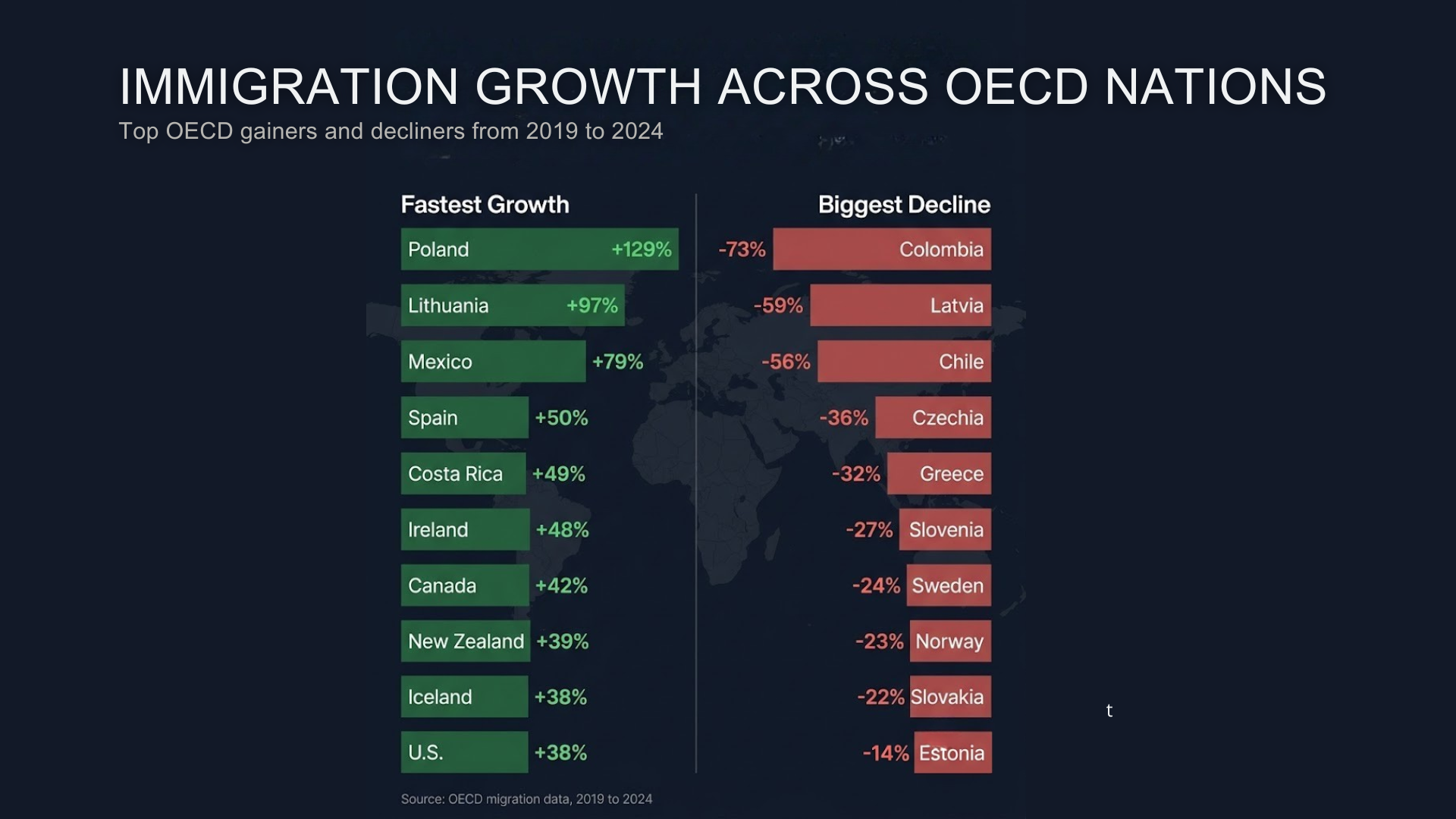
Immigration Growth in OECD Countries
Immigration growth in OECD countries is changing how HNWIs, business owners, and investors plan for the future. Rising and falling…

Residency by Investment Rules Are Tightening in 2026
Residency by investment is becoming more selective in 2026 as countries raise thresholds, tighten tax residence rules, and reduce weaker…

Proposed EB-5 Rules Strengthen Investor Confidence
The proposed EB-5 regulations introduce stronger investor protections, greater transparency, and enhanced oversight across the U.S. investment immigration program. Learn…

Saudi Arabia Opens New Path for Foreign Property Ownership
Saudi Arabia’s new foreign property ownership framework gives global investors clearer access to selected real estate zones in Riyadh, Jeddah,…

Why Citizenship by Investment Becomes More Expensive Over Time
Citizenship by investment continues to evolve as governments increase investment thresholds and strengthen program requirements. Learn why waiting can become…
