
Residency by Investment Rules Are Tightening in 2026

Residency by investment is changing from an access tool into a more selective form of wealth planning. For HNWI, business owners, and global investors, the question is no longer which country looks affordable. The better question is which jurisdiction can protect mobility, support family plans, and remain credible when rules tighten.
This shift should not surprise serious investors. Governments still want capital, but they want capital that brings long-term value. They want stronger applicants, cleaner documentation, and real links to the country. As a result, some programs now cost more, while others have removed popular routes or introduced stricter checks.
For investors, this does not mean opportunity has disappeared. It means the market has matured.
Why Global Access Is Becoming More Selective
Countries often launch investment residence programs when they want foreign capital, property demand, business activity, or skilled people. Over time, demand grows. Then local concerns grow with it.
Housing pressure becomes political. Tax authorities start questioning paper residents. Banks ask for stronger proof of source of funds. Governments also begin asking whether low-cost applicants bring enough value to justify residence rights.
That is why many countries now prefer fewer, better-qualified applicants. This can make programs harder to enter, but it can also make them more trusted. A serious program with strong rules may survive longer than a cheap program that attracts weak applications.
For HNWI, this is a key point. The lowest entry cost does not always create the strongest Plan B.
Montenegro Raises the Bar for Property Residence
Montenegro shows how quickly a flexible residence route can become more structured. For years, foreign property ownership could support a temporary residence application. This made Montenegro attractive to investors who wanted a European base, a coastal lifestyle, and a simple property-linked route.
The rules now require more care. Montenegro’s parliamentary file for amendments to the Law on Foreigners shows the law was adopted, and a related amendment refers to a real estate value proof issued by the local tax authority. The amendment states that the tax base for the property must not be less than €150,000, with exemptions for EU citizens, their family members, and citizens of Iceland, Liechtenstein, Norway, and Switzerland.
This is important because the market price and tax-assessed value may differ. An investor may pay a suitable purchase price, yet still need official proof that the property meets the tax-value test.
For business owners and family offices, Montenegro now requires proper real estate due diligence, title review, tax checks, and renewal planning.
Uruguay Makes Tax Residence More Capital Intensive
Uruguay remains one of South America’s strongest options for stability, personal safety, and long-term family planning. It has a calm reputation, a reliable legal culture, and strong appeal for investors who want a respected base outside Europe and North America.
However, Uruguay has also tightened parts of its tax residence framework. Under Law No. 20.446, individuals who become tax residents in Uruguay from January 1, 2026 may choose to pay non-resident income tax, known as IRNR, for the year they become resident and the following ten fiscal years on certain foreign-source income. This creates an 11-year planning window for eligible new residents.
The same law sets higher conditions for certain applicants who want to use this option through investment. It refers to real estate investments above 12.5 million Indexed Units, or annual capitalization of approved funds for productive, research, or innovation projects of at least 625,000 Indexed Units.
Uruguay’s tax authority also explains that a person can become tax resident through more than 183 days of physical presence in the country during the calendar year.
The lesson is simple. Uruguay still offers strong value, but tax residence and immigration residence must match a real plan. Investors should not treat a residence permit as a full tax strategy.
Andorra Moves Passive Residence Upmarket
Andorra has long attracted wealthy families because it offers safety, privacy, mountain living, and a tax-friendly European setting. It is also small, which means the government must balance foreign demand with housing, services, and quality of life.
Law 2/2026 reflects that balance. The Andorran legal text explains that the country increased the investment amount in Andorran assets for residence without lucrative activity to €1 million. It also changed the deposit approach, turning certain amounts into non-refundable state income rather than refundable deposits.
This makes Andorra a more premium option. It may reduce casual interest, but it can strengthen the country’s long-term value for serious families.
For HNWI, Andorra now fits a more deliberate profile. It works best for investors who want safety, low-tax planning, European lifestyle, and a real connection to the country rather than a low-cost backup.
The Same Pattern Appears in Other Markets
Montenegro, Uruguay, and Andorra are not isolated examples. Spain officially ended its investor residence route by leaving Articles 63 to 67 of Law 14/2013 without content. The BOE shows Organic Law 1/2025 entered into force on April 3, 2025.
Portugal also changed its residence-by-investment framework through Law No. 56/2023. The official Diário da República states that new applications are no longer accepted under certain previous investment routes, while renewal and pending-case rules remain in place. The same law also states that qualifying investment activities must not directly or indirectly target real estate.
Hong Kong shows the opposite approach, but with the same message. Its New Capital Investment Entrant Scheme seeks to attract new capital and wealth management activity, but applicants must show net assets of at least HK$30 million and make a committed investment of at least HK$30 million in permissible assets.
Governments still welcome investors. They simply want stronger applicants.
Why This Can Strengthen Investor Confidence
Higher thresholds can feel frustrating, especially for families who waited too long. But stronger rules can improve market trust.
A program with better compliance may attract less political criticism. It may also receive stronger acceptance from banks, tax authorities, and other governments. For investors, this matters because a second residence should not only exist on paper. It should support real mobility, banking access, lifestyle planning, and family security.
Cheap programs can disappear when they attract misuse. Stronger programs may last longer because they serve both sides. Investors gain legal access and governments gain committed capital.

What Investors Should Do Now
HNWI, business owners, and investors should start with purpose, not price. A second residence can solve different problems for different families.
Many families need a clear tax residence strategy. Others prioritize relocation security, children’s education options, better banking access, or a future citizenship route. For business owners and investors, a second residence can also provide a stable base outside their home country when political, tax, or market conditions change.
Before choosing a program, investors should review these points:
- Whether the goal is residence, tax residence, or future citizenship
- How much capital can remain tied up without affecting liquidity
- Whether the family can meet physical presence rules
- How the investment affects tax, estate, and business planning
- Whether the jurisdiction offers long-term stability and credibility
The best plans also stay compliant. Travel days, tax filings, source of funds, property ownership, and family documents must match the rules. Weak structures create risk, especially when governments increase oversight.
Contact us if you are interested in Citizenship by Investment
Our expert advisors will have a 1-on-1 consultation to find the best solutions for you and your family and guide you through the procedure.
The Investor Takeaway
Global access is not closing for qualified investors. It is becoming more selective. That creates a stronger environment for prepared families who value stability, mobility, and long-term positioning.
To build a secure Plan B, review citizenship by investment, residency by investment, options before costs rise again. Speak with a qualified advisory team, compare jurisdictions carefully, and create a plan that supports your family, business, and wealth goals.
Frequently Asked Questions
Related Articles

Beijing Is Watching Your Wealth; Turkey Offers a Legal Pathway
In an era of rising financial scrutiny, global investors are taking action. Discover why 89% of Chinese HNWIs are exploring…

The West Is Pushing to End Caribbean Citizenship by Investment
Caribbean CBI faces a major period of change as European pressure increases ahead of 2028. For HNWI, business owners and…
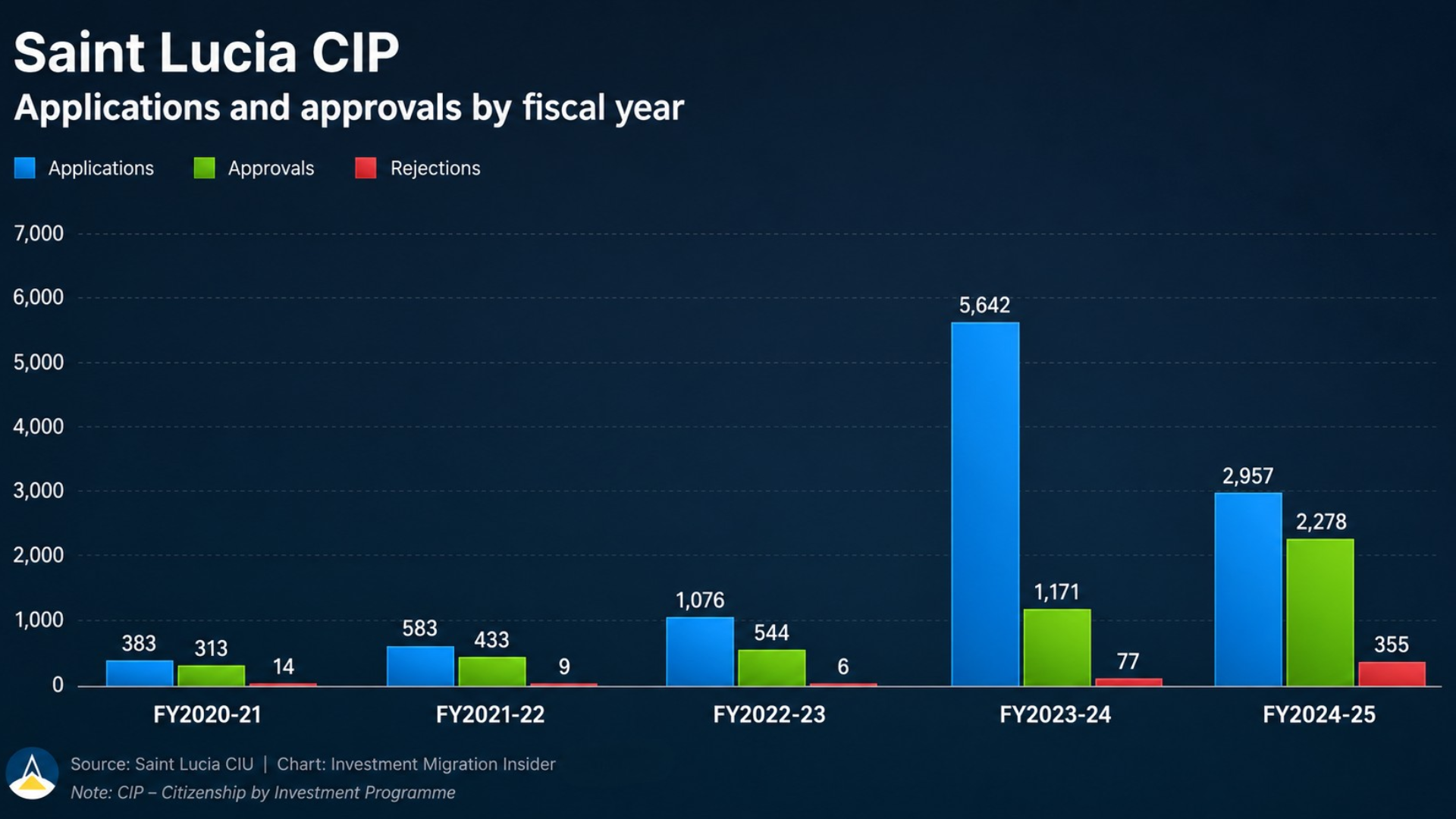
Saint Lucia Citizenship by Investment Approvals Reach 2,278
Saint Lucia approved 2,278 citizenship by investment applications in 2024/25 while completing 2,633 decisions. The programme also rejected 355 cases,…

Dubai Is Proving Its Strength Despite Regional Uncertainty
Dubai is showing why resilience matters to global investors. Despite regional uncertainty, its business environment, infrastructure, connectivity, and financial systems…

Bulgaria Golden Visa Could Face New Residency Rules
The Bulgaria Golden Visa could face an important change as lawmakers consider a new physical presence requirement for permanent residents….

Greek Golden Visa for Nigerians Seeking European Residency
The Greek Golden Visa for Nigerians gives HNWI, business owners and investors a flexible route to European residency. With Schengen…
