
Stricter U.S. Immigration Rules Highlight the Urgency of a Plan B
Green Card Changes Raise Investor Risk
Green card processing changes in the United States are creating new questions for HNWI, business owners, and global investors who rely on predictable mobility. The issue is not only about immigration paperwork. It affects family planning, business continuity, wealth movement, education access, and long-term confidence in one of the world’s most important markets.
In May 2026, USCIS issued a policy memo stating that adjustment of status remains a discretionary benefit and does not replace the regular consular visa process. Adjustment of status allows some applicants already in the United States to apply for permanent residence without leaving the country. The new direction gives consular processing a stronger role, which means more applicants may need to complete green card steps through U.S. embassies or consulates abroad.
For investors and international families, this shift deserves close attention. A green card strategy that once looked simple may now carry more timing risk. Applicants may need to consider travel limits, appointment delays, business disruption, family separation, school schedules, and legal exposure before making decisions.
Why This Matters to Global Investors
HNWI and business owners often view immigration through a wider lens than the average applicant. They do not only ask whether a country offers permanent residence. They ask whether the process supports their lifestyle, their business needs, and their family’s future.
The United States remains highly attractive. It offers strong education, deep capital markets, global business access, advanced healthcare, and a powerful consumer economy. Many investors still see U.S. residence as part of a serious wealth and legacy plan.
However, the latest green card processing changes show that even top destinations can adjust their immigration approach. When rules become stricter, investors must rethink how much of their future depends on one country and one immigration route.
A visa or residence plan should not create pressure. It should create options.
This is where strategic mobility planning becomes valuable. Investors who build flexible access across more than one jurisdiction can respond faster when a policy changes. They can protect their family’s movement, keep business plans stable, and avoid rushed decisions.
Adjustment of Status and Consular Processing
To understand the concern, it helps to know the difference between adjustment of status and consular processing.
Adjustment of status happens inside the United States. An eligible person already in the country applies for a green card without leaving. This has long helped students, workers, spouses, investors, and professionals move from temporary status to permanent residence while staying close to work, school, and family.
Consular processing happens outside the United States. The applicant attends an interview at a U.S. embassy or consulate abroad and completes important steps through the Department of State.
Consular processing can work well for applicants who already live overseas. But for people already settled in the United States, it may create serious challenges. A family may need to leave at a difficult time. A business owner may need to pause operations. A student may face education disruption. A key employee may face long delays before returning to work.
Reports have also noted that exceptions may exist for certain cases involving economic benefit or national interest, but these decisions depend on the facts of each case.
The Risk Goes Beyond Immigration
For HNWI and entrepreneurs, the concern extends far beyond whether a green card remains achievable. What matters more is the level of uncertainty these changes may introduce into long-term planning.
A delayed or disrupted immigration process can influence several areas of life and business. Business expansion plans may slow down, while children’s education timelines can become more complicated. Some families may postpone relocating a family office, and others could face limited access to advisers, banks, investors, or clients across jurisdictions.
These disruptions may also create tax, legal, and residence planning challenges. At the same time, uncertainty can place additional pressure on family members who value stability and predictability.
Because of this, wealthy families increasingly view global mobility as part of a broader risk management strategy. They already prepare for market volatility, political developments, currency fluctuations, succession planning, asset protection, and international business growth. Immigration access now deserves the same level of strategic attention.
Families that rely on only one residence option often feel exposed when regulations change unexpectedly. In contrast, those with multiple legal mobility pathways usually have greater flexibility, stronger control over timelines, and more confidence in managing sudden policy shifts.
What HNWI Should Consider Now
The new environment calls for careful review, not panic. HNWI and business owners should take a practical approach and assess their current exposure.
First, they should review their current U.S. status. A person on a temporary visa should understand how long that status remains valid, what conditions apply, and what happens if travel becomes necessary.
Second, they should examine any green card pathway already in progress. Employment, family, investment, and other categories may face different risks. Pending cases may also require fresh legal advice.
Third, they should avoid casual travel decisions. For some applicants, leaving the United States can create complications, especially if they have gaps in status or past overstays.
Fourth, they should review their global mobility backup options. This includes residence rights, citizenship options, visa-free travel access, business presence, banking access, and family relocation plans.
Finally, they should work with qualified U.S. immigration counsel before acting. This is important because the impact of the new policy may depend on the applicant’s history, visa type, filing stage, and personal facts.
Why a Plan B Is Becoming a Core Asset
For years, many people saw a Plan B as something only needed during a crisis. That view has changed.
Today, a Plan B can support business growth, lifestyle freedom, education access, and family security. It can help an investor enter new markets, relocate teams, open banking relationships, or give children more choices for study and work.
For HNWI, a second residence or citizenship strategy does not mean turning away from the United States. It means building a wider base of security.
A strong Plan B gives families time. It gives them choice. It reduces the pressure to accept one option simply because no other route exists.
This matters even more when major economies review immigration rules more closely. Countries want stronger vetting, clearer economic value, and better control over long-term residence. That trend can strengthen trusted investment migration programs because serious investors value transparent rules and credible outcomes.
Investor Confidence Depends on Predictability
Investors make decisions based on confidence. They commit capital when they understand the rules, risks, and timelines. Immigration works the same way.
When processing becomes less predictable, investors may delay relocation, postpone expansion, or choose other markets for family and business planning. This does not mean the United States loses its appeal. It means investors must become more disciplined.
Predictability now comes from preparation.
A family with only one active immigration strategy may feel exposed. A family with several well-planned options can continue moving forward, even when one pathway slows down.
This mindset reflects how sophisticated investors already manage wealth. They diversify assets, markets, currencies, and business interests. They should also diversify mobility.
The Positive Side of Stricter Rules
Although tighter green card processing may concern applicants, it also shows a broader global trend toward stronger compliance and credibility. Many countries now want residence and citizenship systems that attract serious applicants, protect national interests, and maintain public trust.
For responsible investors, this can create long-term value.
When immigration systems apply stronger standards, credible applicants stand out. Programs with clear due diligence, strong legal frameworks, and stable government oversight may become more attractive. Serious families want pathways that hold value over time, not quick solutions that lose trust.
This is why investment migration continues to matter. HNWI and business owners want secure, respected, and well-structured access. They want options that support family life, business growth, and global movement without unnecessary uncertainty.
How Business Owners Can Prepare
Business owners should think beyond the applicant. A green card delay can affect employees, partners, company plans, and investment timelines.
An owner who leads U.S. operations may need a backup leadership plan. A company that depends on a key foreign executive should review staffing risks. A family business with U.S. assets should check how travel limits could affect operations.
Preparation may include stronger corporate planning, better document management, clear travel rules, and wider residence options for family members. It may also include choosing jurisdictions that offer easier access to clients, banks, schools, and lifestyle needs.
A good mobility strategy supports the whole family and the business behind it.
Contact us if you are interested in Citizenship by Investment
Our expert advisors will have a 1-on-1 consultation to find the best solutions for you and your family and guide you through the procedure.
What This Means for the Future
The green card processing changes highlight a simple truth. Mobility now forms part of wealth strategy.
HNWI, business owners, and global investors cannot assume that one country will always offer the same process, timeline, or level of access. Rules change because governments respond to politics, security, labor needs, and public pressure.
The families who manage this best will not wait until disruption arrives. They will review their options early, understand their risks, and build legal pathways that support freedom, stability, and confidence.
Green card processing changes should encourage investors to think wider, plan earlier, and protect their global position. The strongest families do not depend on a single door. They build several doors and choose the one that serves them best.
Take the Next Step
If recent U.S. green card processing changes have raised questions about your family’s future, now is the right time to review your global mobility strategy. Explore how citizenship by investment and residency by investment can support stability, investor confidence, and long-term freedom for your family and business.
Frequently Asked Questions
Related Articles

Beijing Is Watching Your Wealth; Turkey Offers a Legal Pathway
In an era of rising financial scrutiny, global investors are taking action. Discover why 89% of Chinese HNWIs are exploring…

Caribbean Citizenship and EU Residency for Greater Freedom
Caribbean citizenship and EU residency can give HNWI, investors, and business owners greater control over their future. By combining nationality…
Caribbean CBI Prices Have Already Doubled: 2027 May Cost More
Caribbean CBI prices have already doubled from earlier entry levels, and 2027 may bring higher costs and stricter rules. For…

Second Passports Are Leaving Their Golden Age Behind
The global mobility landscape is changing rapidly. Learn why second passports remain valuable, how citizenship by investment and residency by…
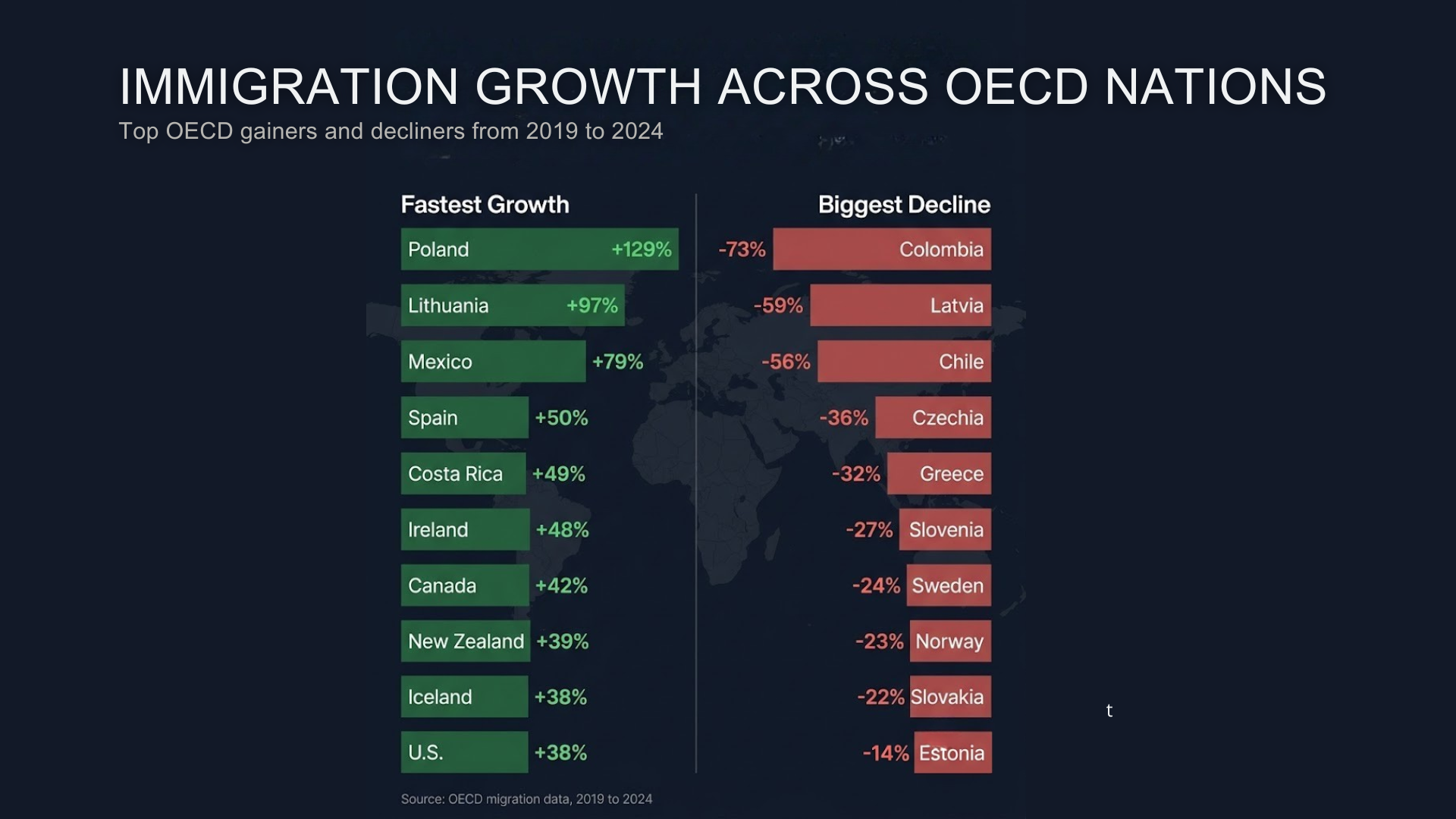
Immigration Growth in OECD Countries
Immigration growth in OECD countries is changing how HNWIs, business owners, and investors plan for the future. Rising and falling…

Residency by Investment Rules Are Tightening in 2026
Residency by investment is becoming more selective in 2026 as countries raise thresholds, tighten tax residence rules, and reduce weaker…
