
Nigeria Faces US Watchlist with Potential 50% Aid Reduction
Introduction
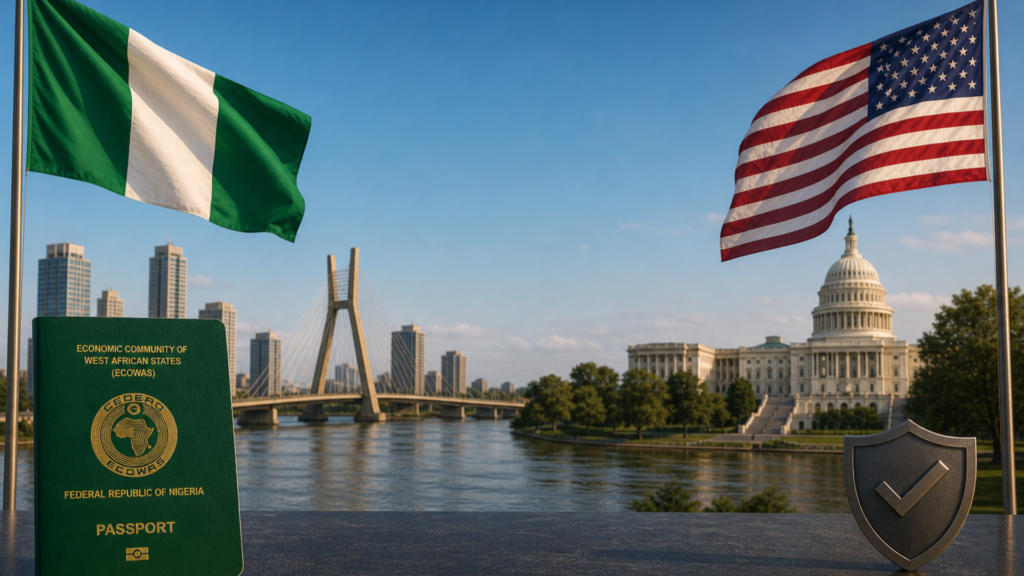
The US Nigeria aid freeze proposal is drawing increased attention from high net worth individuals, business owners, and global investors. The United States has placed Nigeria on a watchlist while considering a reduction of up to 50 percent in aid. While this may appear as a political development at first glance, it carries deeper implications for capital flows, investor sentiment, and long term market positioning.
Nigeria remains one of Africa’s most important economies, with strong growth potential and a large consumer base. However, shifts like this highlight how closely governance and investment confidence are now linked. As a result, investors must pay close attention and adjust their strategies accordingly.
Understanding the Policy Signal
The proposed watchlist designation reflects concerns around security, governance, and accountability. Although the measure is not yet final, it already influences how global markets perceive Nigeria.
Importantly, investors do not wait for full implementation before reacting. Instead, they assess direction. In this case, the US Nigeria aid freeze signals a more cautious stance from a major global partner. Consequently, this may affect how institutions, funds, and private investors approach the market in the near term.
At the same time, such signals often act as catalysts. They encourage reforms and stronger oversight, which can improve market conditions over time.
Investor Confidence and Market Response
Investor confidence plays a central role in shaping capital flows. When uncertainty increases, even temporarily, markets tend to adjust.
The US Nigeria aid freeze discussion introduces several considerations. First, reduced aid may impact sectors that rely on public funding, including infrastructure and social programs. Second, currency stability could face pressure if external funding weakens. Third, institutional investors may adopt a more measured approach while monitoring developments.
However, it is important to view this in context. Short term caution does not eliminate long term opportunity. Instead, it reinforces the need for strategic positioning.
A Global Shift Toward Accountability
This development is part of a broader global trend. International partnerships are increasingly tied to performance, transparency, and governance standards.
Over time, countries that respond effectively to such pressure often strengthen their systems. This can lead to:
- Improved regulatory frameworks
- Greater transparency for investors
Although these changes may take time, they tend to create more resilient investment environments. For experienced investors, this transition period often presents unique entry points.
Why Diversification Is No Longer Optional
For high net worth individuals, this situation reinforces a key principle. Concentrating wealth in a single jurisdiction creates unnecessary exposure.
Instead, modern wealth strategies focus on geographic diversification and flexibility. Investors who spread their assets across multiple regions can better manage risk while maintaining access to growth opportunities.
This approach also supports business continuity. When one market faces uncertainty, others can provide stability. As a result, overall portfolio performance becomes more balanced.
The Role of Global Mobility in Wealth Strategy
In today’s interconnected world, mobility has become a strategic asset. It allows investors to respond quickly to changes while protecting their interests.
Access to multiple jurisdictions provides several advantages. It supports smoother international operations, offers entry into stable financial systems, and enhances personal security.
More importantly, it gives investors control. Rather than reacting to change, they can adapt proactively and maintain momentum across markets.
Nigeria’s Long Term Outlook Remains Strong
Despite current concerns, Nigeria continues to offer compelling opportunities. Its fundamentals remain intact, supported by a growing population and increasing economic activity.
The country’s expanding digital sector and entrepreneurial landscape also attract attention from global investors. These strengths position Nigeria for long term growth, even as short term challenges arise.
Therefore, the focus should not be on withdrawal, but on structured engagement. Investors who combine local insight with global diversification can still capture value while managing risk effectively.

Adapting to a More Selective Investment Environment
The US Nigeria aid freeze highlights a shift toward more selective global capital allocation. Investors are now placing greater emphasis on governance, stability, and long term sustainability.
To remain competitive, HNWI and business owners should:
- Monitor geopolitical developments consistently
- Maintain flexible investment structures
These steps help ensure resilience in an environment where policy decisions can influence markets quickly.
Positioning for the Future
Successful investors understand that change is constant. Rather than avoiding markets facing scrutiny, they refine their strategies to align with evolving conditions.
Preparation remains key. By maintaining diversified portfolios and securing access to multiple jurisdictions, investors can protect their wealth while staying positioned for growth.
In this context, flexibility becomes one of the most valuable assets an investor can have.
Contact us if you are interested in Citizenship by Investment
Our expert advisors will have a 1-on-1 consultation to find the best solutions for you and your family and guide you through the procedure.
Conclusion
The US Nigeria aid freeze proposal reflects a broader transformation in global investment dynamics. It highlights how governance, accountability, and capital flows are becoming increasingly interconnected.
For high net worth individuals and global investors, the message is clear. Strong strategies require diversification, adaptability, and access to stable environments. Nigeria continues to present long term opportunities, but success will depend on how effectively investors manage risk and remain flexible in a changing landscape.
As global conditions continue to evolve, having a structured international strategy is essential. Explore how citizenship by investment and residency by investment can help you secure global mobility, protect your assets, and maintain flexibility across markets. Connect with our team today to build a strategy designed for long term success.
Frequently Asked Questions
Related Articles

Beijing Is Watching Your Wealth; Turkey Offers a Legal Pathway
In an era of rising financial scrutiny, global investors are taking action. Discover why 89% of Chinese HNWIs are exploring…
Saint Lucia Citizenship by Investment Approvals Reach 2,278
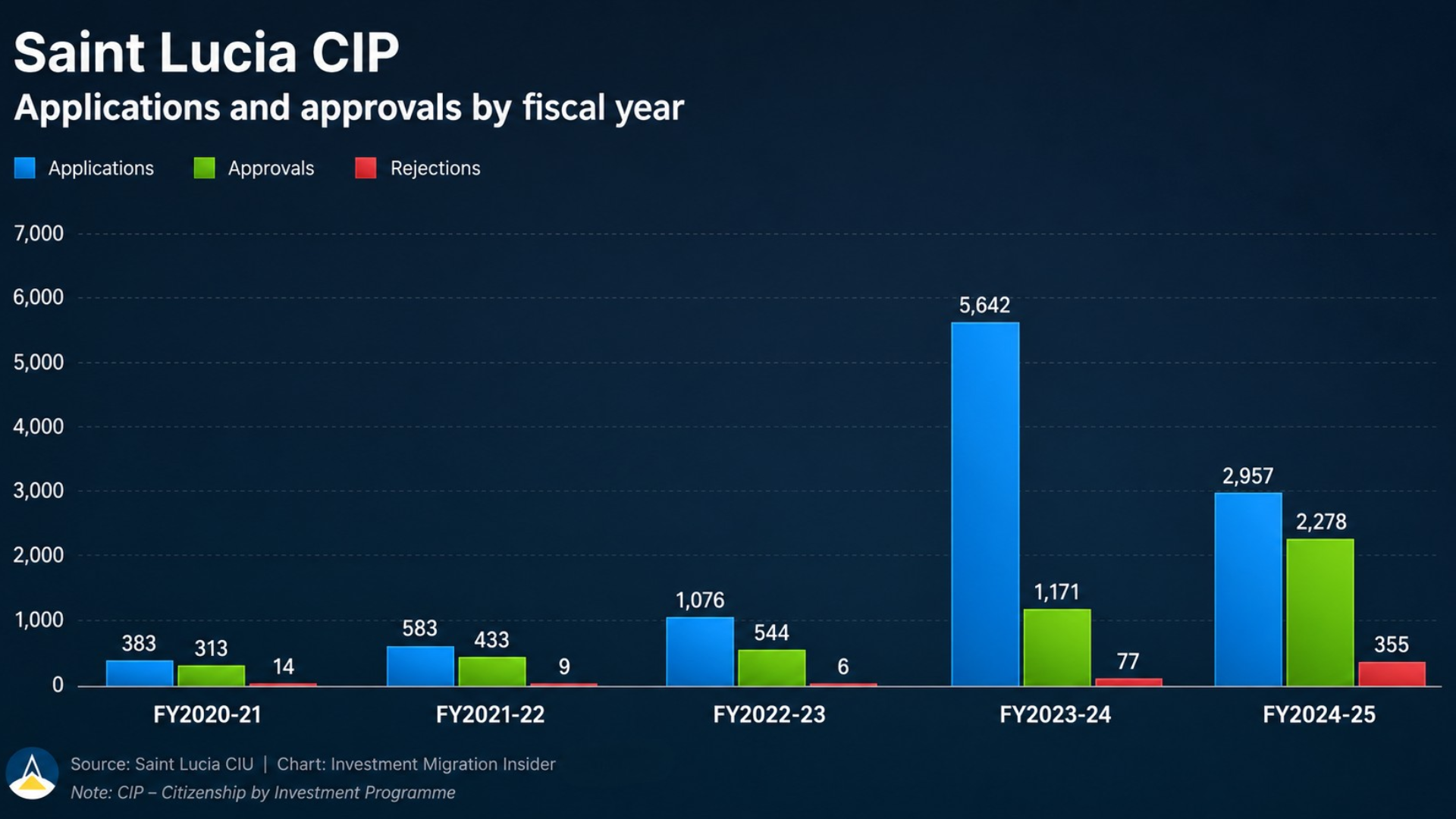
Saint Lucia approved 2,278 citizenship by investment applications in 2024/25 while completing 2,633 decisions. The programme also rejected 355 cases,…

Dubai Is Proving Its Strength Despite Regional Uncertainty
Dubai is showing why resilience matters to global investors. Despite regional uncertainty, its business environment, infrastructure, connectivity, and financial systems…

Bulgaria Golden Visa Could Face New Residency Rules
The Bulgaria Golden Visa could face an important change as lawmakers consider a new physical presence requirement for permanent residents….
Greek Golden Visa for Nigerians Seeking European Residency
The Greek Golden Visa for Nigerians gives HNWI, business owners and investors a flexible route to European residency. With Schengen…

Grenada Proposes New Residency Rules for CBI Investors
Grenada is considering new residency and compliance measures for its Citizenship by Investment Programme. Proposed changes include physical presence, integration,…
