
California Wealth Tax Measure Advances to November Ballot

Introduction
The California billionaire tax is gaining momentum after officially advancing to the November ballot. As a result, high net worth individuals, business owners, and global investors are paying close attention.
At its core, the proposal introduces a one-time 5 percent tax on individuals whose net worth exceeded 1 billion dollars as of January 1, 2026. In addition, state projections estimate it could generate up to 100 billion dollars over five years.
More importantly, this is not just a local policy update. The California billionaire tax reflects a broader shift in how governments approach wealth, taxation, and long-term fiscal strategy. Therefore, investors must begin adapting to a more complex and evolving environment.
Key Facts Behind the Proposal
Understanding the structure of this measure is essential. First, it applies to individuals with more than 1 billion dollars in total net worth. Next, it calculates liability based on asset values recorded at the start of 2026.
Furthermore, the proposal introduces a one-time 5% charge on total wealth, which differs significantly from traditional income-based taxation. As a result, it is expected to generate approximately 100 billion dollars over five years while impacting around 200 ultra-wealthy individuals.
Because of this shift, investors must now consider how total wealth, rather than income, may be taxed in the future.
The Residency Factor Driving Early Action
One of the most significant elements of the California billionaire tax is how it handles residency.
The tax applies based on wealth held on a specific date. This means that relocation after January 1, 2026 may not remove the obligation.
This has already influenced real-world decisions.
At least six billionaires relocated before the cutoff, including prominent figures from the technology sector. These moves highlight how seriously ultra-wealthy individuals respond to policy timing.
For HNWI, this reinforces an important lesson. Residency planning is no longer a secondary consideration. It is central to wealth strategy.
$80 Million Opposition Signals High Stakes
The scale of opposition also reflects the importance of this proposal.
Leading figures in the tech and investment sectors have committed approximately 80 million dollars to counter the measure. In addition, multiple alternative ballot initiatives are being introduced.
This level of funding indicates that the outcome remains uncertain. It also shows that the broader debate extends beyond taxation into competitiveness and capital retention.
For investors, this creates a dynamic environment where political developments directly affect financial positioning.
Investor Behavior Is Already Shifting
Even before the vote, the market response is clear.
High net worth individuals are taking proactive steps:
- Reviewing their exposure to California-based taxation
- Reassessing asset structures and long-term strategies
- Exploring jurisdictions with more predictable tax frameworks
These actions are not driven by panic. They reflect strategic decision-making in response to changing conditions.
Investors are prioritizing flexibility, stability, and control over their financial environment.
The Global Context of Wealth Taxation
The California billionaire tax is part of a broader global movement.
Governments are increasingly exploring wealth-based taxation as a way to address fiscal challenges and inequality. While approaches differ, the direction is consistent.
For global investors, this creates a new reality. Tax planning must now consider not only current regulations but also future policy trends.
This makes diversification across jurisdictions more important than ever.
Liquidity Challenges for Business Owners
One of the most critical concerns is liquidity.
Many billionaires hold significant portions of their wealth in:
- Private companies
- Venture capital investments
- Long-term equity positions
A one-time 5 percent tax on total wealth could require substantial liquidity.
This may lead to:
- Sale of shares or assets
- Restructuring of ownership
- Delays in business expansion plans
For business owners, this is not just a tax issue. It is a strategic challenge that affects growth and control.
Mobility as a Strategic Advantage
In this evolving landscape, mobility is becoming essential.
High net worth individuals are increasingly building global strategies that allow them to operate across multiple jurisdictions.
This includes:
- Establishing residency in different countries
- Expanding business operations internationally
- Accessing diverse financial systems
Mobility provides flexibility. It allows investors to adapt to policy changes while maintaining stability.

Opportunities in a Changing Environment
While the California billionaire tax introduces uncertainty, it also creates opportunity.
Jurisdictions that offer:
- Transparent regulations
- Stable tax systems
- Investor-friendly environments
are becoming more attractive to global capital.
This shift strengthens global competition and encourages countries to improve their investment ecosystems.
For investors, it opens the door to new markets and strategic advantages.
What Happens Next
The proposal will go to a public vote in November.
If approved:
- California could generate up to 100 billion dollars
- Other regions may consider similar measures
- Wealth planning strategies will need to adapt quickly
If rejected:
- Wealth taxation will remain a key topic
- New proposals may emerge
- Policy uncertainty will continue
Either outcome highlights the importance of preparation.
Contact us if you are interested in Citizenship by Investment
Our expert advisors will have a 1-on-1 consultation to find the best solutions for you and your family and guide you through the procedure.
Conclusion
The California billionaire tax marks a significant turning point in wealth taxation. While the outcome of the vote remains uncertain, its impact is already visible.
Ultimately, this proposal highlights a broader global trend toward wealth-based taxation. For this reason, high net worth individuals and investors must prioritize diversification, mobility, and strategic planning.
Adapting early will not only reduce risk but also create new opportunities in a rapidly changing financial landscape shaped by the California billionaire tax.
If you are looking to strengthen your global position and protect your wealth, now is the time to explore your options. Citizenship by investment and residency by investment programs offer the flexibility, security, and strategic advantage needed to navigate evolving tax environments with confidence.
Frequently Asked Questions
Related Articles

Beijing Is Watching Your Wealth; Turkey Offers a Legal Pathway
In an era of rising financial scrutiny, global investors are taking action. Discover why 89% of Chinese HNWIs are exploring…
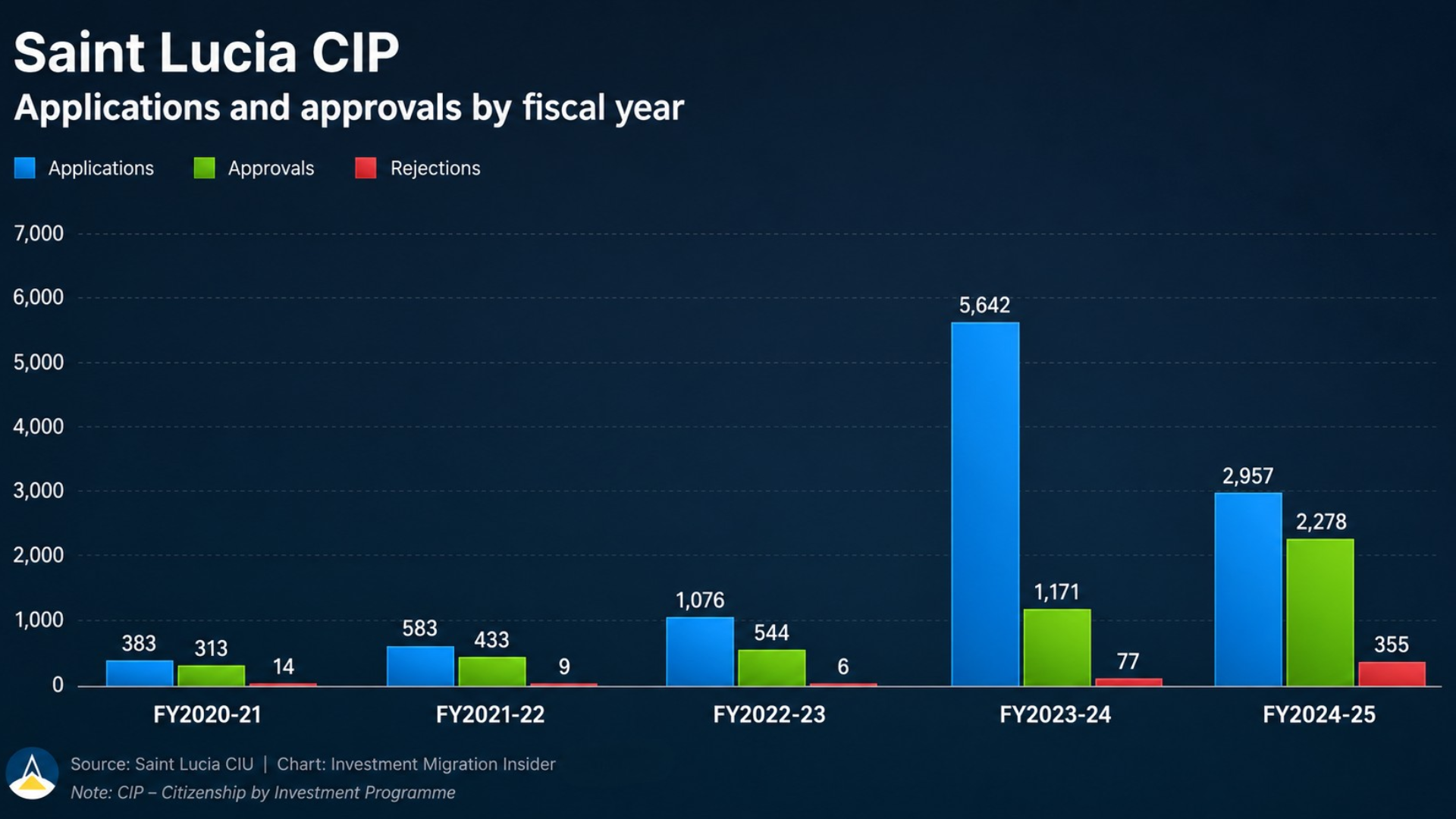
Saint Lucia Citizenship by Investment Approvals Reach 2,278
Saint Lucia approved 2,278 citizenship by investment applications in 2024/25 while completing 2,633 decisions. The programme also rejected 355 cases,…

Dubai Is Proving Its Strength Despite Regional Uncertainty
Dubai is showing why resilience matters to global investors. Despite regional uncertainty, its business environment, infrastructure, connectivity, and financial systems…

Bulgaria Golden Visa Could Face New Residency Rules
The Bulgaria Golden Visa could face an important change as lawmakers consider a new physical presence requirement for permanent residents….

Greek Golden Visa for Nigerians Seeking European Residency
The Greek Golden Visa for Nigerians gives HNWI, business owners and investors a flexible route to European residency. With Schengen…

Grenada Proposes New Residency Rules for CBI Investors
Grenada is considering new residency and compliance measures for its Citizenship by Investment Programme. Proposed changes include physical presence, integration,…
