
Argentina Applies to Rejoin the U.S. Visa Waiver Program

- Tourism and Business Travel without lengthy visa interviews.
- Lower Costs compared to traditional visa applications.
- Faster Processing through ESTA approvals.
- Global Mobility Advantage—citizens of VWP countries typically enjoy stronger passports, opening more international opportunities.

- Javier Milei, President of Argentina
- Gerardo Werthein, Argentina’s Foreign Minister
- Patricia Bullrich, Argentina’s Security Minister
- Kristi Noem, U.S. Secretary of Homeland Security
- Lower Visa Refusal Rate
- Current refusal rate: ~10%
- Required rate: Below 3%
- Argentina must prove that fewer of its citizens are being denied visas for reasons such as incomplete applications or suspected overstays.
- Secure Passports
- Argentina must ensure all passports are biometric and tamper-proof.
- These passports need to meet U.S. security standards to prevent fraud.
- Data Sharing and Security Cooperation
- The U.S. requires close collaboration on immigration and criminal databases.
- Argentina must show it can share security information effectively.
- Low Overstay Rates
- Argentina already excels here.
- It has the lowest overstay rate in Latin America, under 1%, which strengthens its case.

- Tourism Boost: Easier U.S. access will encourage more Argentine travel.
- Business Growth: Entrepreneurs and professionals will face fewer travel barriers.
- Global Prestige: Being part of the VWP signals economic stability and international trust.
- Stronger Passport Ranking: Argentina’s passport, already among the stronger in Latin America, would gain even more global mobility.
- Improved security standards
- Better global partnerships
- Stronger economic confidence
- Visa refusal rate remains the largest obstacle.
- Economic stability is still a concern for U.S. policymakers.
- Political changes in either country could delay or derail the process.
Contact us if you are interested in Citizenship by Investment
Our expert advisors will have a 1-on-1 consultation to find the best solutions for you and your family and guide you through the procedure.
Conclusion
Argentina’s bid to rejoin the U.S. Visa Waiver Program is a major milestone in its foreign relations and a sign of renewed trust between the two nations. While hurdles remain—particularly lowering the visa refusal rate—the benefits of success would be enormous: visa-free travel to the United States, stronger international standing, and increased passport value.
For Argentine citizens, investors, and global mobility planners, this development is one to watch closely. If Argentina succeeds, it will not only open doors to the U.S. but also reinforce Argentina’s place in the global community.
Share this blog
Frequently Asked Questions
Related Articles

Beijing Is Watching Your Wealth; Turkey Offers a Legal Pathway
In an era of rising financial scrutiny, global investors are taking action. Discover why 89% of Chinese HNWIs are exploring…

The West Is Pushing to End Caribbean Citizenship by Investment
Caribbean CBI faces a major period of change as European pressure increases ahead of 2028. For HNWI, business owners and…
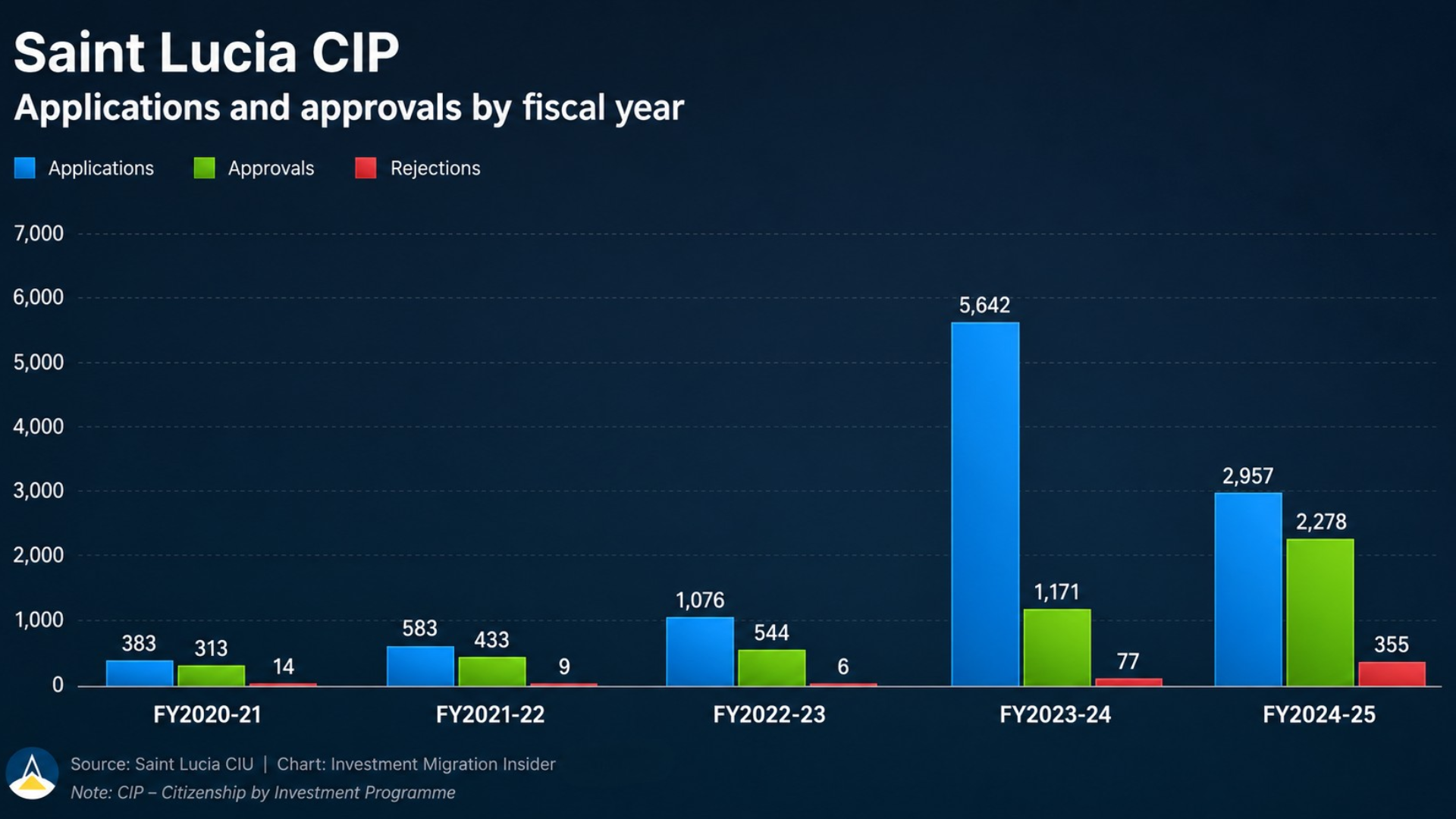
Saint Lucia Citizenship by Investment Approvals Reach 2,278
Saint Lucia approved 2,278 citizenship by investment applications in 2024/25 while completing 2,633 decisions. The programme also rejected 355 cases,…

Dubai Is Proving Its Strength Despite Regional Uncertainty
Dubai is showing why resilience matters to global investors. Despite regional uncertainty, its business environment, infrastructure, connectivity, and financial systems…

Bulgaria Golden Visa Could Face New Residency Rules
The Bulgaria Golden Visa could face an important change as lawmakers consider a new physical presence requirement for permanent residents….

Greek Golden Visa for Nigerians Seeking European Residency
The Greek Golden Visa for Nigerians gives HNWI, business owners and investors a flexible route to European residency. With Schengen…
