
The USA Moves to Challenge Sharia Law Policies in Nigeria
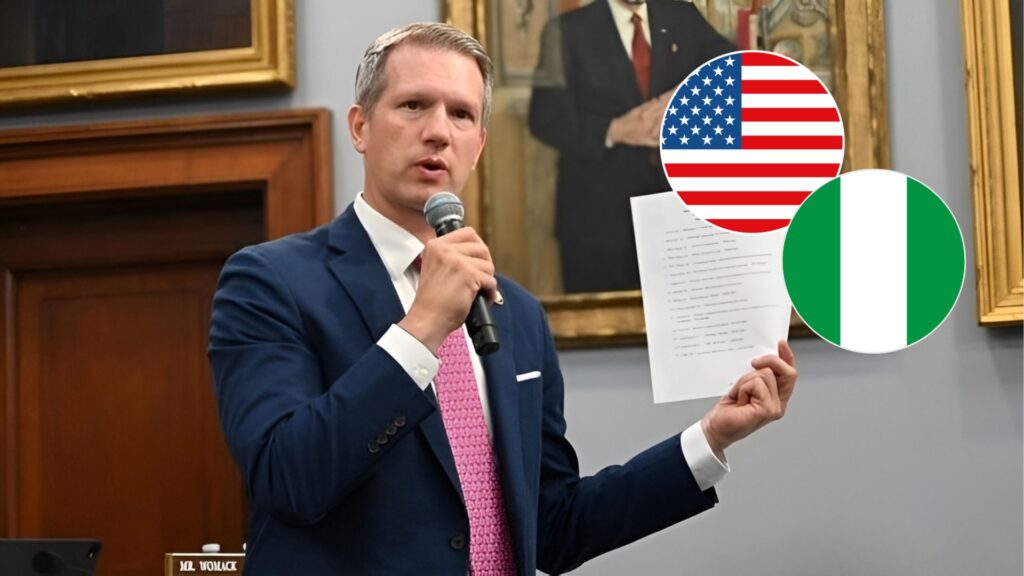
Global attention has turned toward Sharia law policies in Nigeria after the introduction of the Nigeria Religious Freedom and Accountability Act of 2026. The proposed legislation reflects increasing international concern about religious freedom, governance standards, and the protection of vulnerable communities.
For high net worth individuals, business owners, and global investors, developments like this are not only geopolitical headlines. They also signal shifts in how political stability, legal frameworks, and international accountability influence investment environments.
The proposed legislation requires the US Secretary of State to monitor Nigeria’s progress in addressing religious persecution and evaluate whether the country meets global religious freedom standards. It also introduces stronger oversight to ensure that international assistance does not indirectly support persecution or instability.
As governments around the world face greater scrutiny, global investors increasingly assess how governance and legal systems influence long term stability.
Understanding Sharia Law Policies in Nigeria
Nigeria operates under a federal legal system that combines civil law, customary law, and religious law. In the early 2000s, several northern states expanded the use of Sharia law within their legal systems.
Today, 12 Nigerian states operate under Sharia based legal frameworks, primarily governing personal and criminal matters for Muslim populations.
These states include:
- Kano
- Zamfara
- Sokoto
- Kaduna
- Katsina
- Jigawa
- Bauchi
- Borno
- Yobe
- Gombe
- Kebbi
- Niger
Although Sharia law primarily applies to Muslims in these regions, critics argue that the system can create legal complexities, particularly regarding religious minorities, blasphemy laws, and criminal penalties.
The United States and several international organizations have raised concerns about how these laws affect religious freedom and legal protections.
The Nigeria Religious Freedom and Accountability Act of 2026
The proposed US legislation aims to strengthen oversight and encourage reforms related to religious freedom.
Key provisions of the act include:
Monitoring Nigeria’s efforts to reduce religious violence
Evaluating compliance with international religious freedom standards
Reviewing sanctions under the Global Magnitsky framework
Ensuring foreign assistance does not contribute to persecution
Supporting communities displaced by religious conflict
The bill also seeks to improve transparency around governance and accountability mechanisms.
While the legislation does not directly change Nigerian law, it signals stronger diplomatic pressure and increased international attention on governance standards.
Why Governance Issues Matter to Investors
Political developments often influence investment decisions. For HNWIs and multinational business leaders, governance standards, rule of law, and institutional transparency play a critical role in assessing risk.
Countries that face international scrutiny may experience shifts in regulatory environments, diplomatic relations, and investor confidence.
Global investors increasingly examine factors such as:
- Legal protections for individuals and businesses
- Stability of political institutions
- Respect for human rights and religious freedoms
- International regulatory relationships
These indicators shape long term investment strategies and influence where entrepreneurs build companies, hold assets, and establish residency.
The Growing Importance of Mobility for HNWI Families
As geopolitical risks evolve, mobility has become a strategic consideration for globally minded families.
Events that highlight governance challenges often encourage investors to review how their assets, businesses, and personal residency structures are positioned internationally.
Many HNWIs pursue jurisdictional diversification to gain access to:
- Stable legal systems
- Predictable regulatory frameworks
- Global financial centers
- Expanded travel freedom
- Long term security for family members
For business owners with international operations, mobility also improves flexibility when markets shift or regulations change.
This approach does not necessarily involve leaving a home country. Instead, it creates optionality and resilience.
Why Many Investors Maintain a Legal Plan B
Political, economic, and social developments can reshape markets quickly. As a result, many experienced investors maintain a legal “Plan B” through second residency or citizenship.
A second residency may offer access to alternative legal protections, business environments, and education systems. It also allows families to relocate more easily if regional conditions change.
Entrepreneurs and investors often view mobility as a form of risk management. Just as portfolios diversify across industries and asset classes, global families increasingly diversify across jurisdictions.
This strategy helps protect long term wealth, family security, and business continuity.
Investor Confidence and International Accountability
The growing focus on Sharia law policies in Nigeria illustrates a broader trend in global governance. Governments today operate under stronger international accountability mechanisms.
When global institutions and partner nations review legal systems and human rights standards, it often leads to policy adjustments or reforms.
For investors, this process can have both risks and benefits.
Heightened scrutiny may create uncertainty in the short term. However, stronger governance frameworks ultimately improve transparency and institutional trust.
Countries that strengthen rule of law and accountability tend to attract more stable investment over time.
Global Trends Driving Demand for Mobility Solutions
The situation in Nigeria reflects a wider global pattern affecting investor behavior.
Across many regions, HNWI families are responding to:
- geopolitical tensions
- regulatory shifts
- legal uncertainty
- changing tax policies
- social and political instability
As these dynamics evolve, investors increasingly prioritize mobility solutions that reduce exposure to geopolitical risk.
Residency and citizenship planning allow families to operate globally while maintaining flexibility.
For entrepreneurs who manage cross border businesses, this flexibility can be essential for protecting operations and capital.
Strategic Mobility as a Long Term Wealth Strategy
Global mobility strategies have become a key component of modern wealth planning.
Instead of reacting to crises, experienced investors build long term structures that support international access, asset protection, and family security.
A well designed mobility strategy can help investors:
- access global markets
- protect wealth across jurisdictions
- maintain business continuity
- secure education opportunities for future generations
- improve travel and relocation flexibility
These strategies continue to grow in popularity among HNWIs, family offices, and internationally active entrepreneurs.

The Role of Citizenship and Residency Programs
Governments worldwide recognize the economic benefits of attracting global investors and entrepreneurs.
As a result, many countries have established citizenship and residency by investment programs that allow qualified applicants to gain legal residency or citizenship through investment.
These programs typically support national development by attracting capital into areas such as:
- real estate
- infrastructure
- business development
- government funds
For investors, they provide a structured and legal pathway to establish a second home base while maintaining global mobility.
When properly regulated and compliant with international standards, these programs offer long term credibility and stability.
A Changing Global Landscape
The international conversation around Sharia law policies in Nigeria highlights how governance issues increasingly intersect with global mobility and investment strategies.
For high net worth individuals, political developments are not isolated events. They often signal broader shifts in regulatory environments, international relations, and investor confidence.
As global accountability increases, investors continue to evaluate where they live, bank, and hold citizenship.
Many globally minded families now view mobility as an essential component of long term wealth protection.
For those operating across multiple markets, access to secure jurisdictions can strengthen both financial and personal resilience.
Contact us if you are interested in Citizenship by Investment
Our expert advisors will have a 1-on-1 consultation to find the best solutions for you and your family and guide you through the procedure.
Exploring Global Mobility Opportunities
As geopolitical and regulatory landscapes evolve, strategic mobility planning becomes increasingly relevant for investors and entrepreneurs.
Second residency or citizenship options can provide flexibility, security, and access to global opportunities while strengthening long term wealth planning strategies.
If you are considering how global mobility could support your family, business, or investment strategy, professional guidance can help identify solutions that align with your long term objectives.
Frequently Asked Questions
Related Articles

Beijing Is Watching Your Wealth; Turkey Offers a Legal Pathway
In an era of rising financial scrutiny, global investors are taking action. Discover why 89% of Chinese HNWIs are exploring…
Rising Restrictions Are Driving Strategic Mobility for Iranian HNWIs
Rising restrictions are reshaping global mobility for Iranian HNWIs. Discover how strategic residency and citizenship planning can protect wealth, ensure…

Ethiopia Introduces 10 Year Golden Visa to Attract Global Investors
Ethiopia’s 10 year Golden Visa signals rising investor confidence in emerging markets. For HNWI and global investors, it offers long…

UK Visa Fee Increase 2026 Signals Changing Global Access for
The UK visa fee increase 2026 signals a shift in global mobility. Rising costs reflect strong demand and growing selectivity….
Kenya China Trade Agreement Strengthens Economic Ties
The Kenya China trade agreement opens duty free access to 98% of exports, strengthening economic ties and investor confidence. For…

Investor Demand Surges Amid Dominica’s Iranian CBI Suspension
Caribbean CBI programs are tightening eligibility, and investors are responding بسرعة. Discover why HNWI are accelerating applications, how Dominica’s recent…
What HNWI Need to Know About St Kitts Public Benefit
The St Kitts and Nevis Public Benefit Option offers HNWI a simple, transparent path to second citizenship. By focusing on…