
South Africa Infrastructure Gains $350M World Bank Support
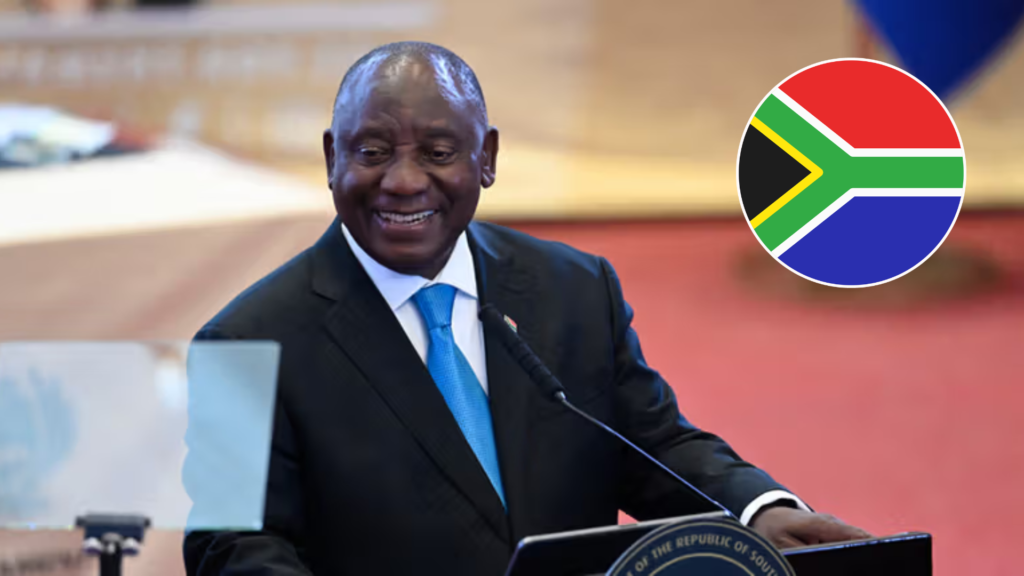
Global investors often monitor institutional capital closely because it reveals where long-term opportunities may emerge. The World Bank $350M investment in South Africa infrastructure represents one of those important signals. For high net worth individuals, business owners, and international investors, this development reflects growing confidence in South Africa’s infrastructure modernization and long-term economic strategy.
Infrastructure investment plays a central role in economic stability and national competitiveness. Countries that strengthen energy systems, transportation networks, and financial frameworks create environments that attract global capital. The World Bank $350M investment in South Africa infrastructure aims to accelerate improvements to the country’s electricity transmission network while attracting larger flows of private and institutional investment.
For globally minded investors, this type of institutional support often highlights markets where long-term opportunities may develop.
Why Infrastructure Investment Matters for Economic Growth
Infrastructure forms the foundation of every modern economy. Reliable power systems, efficient transportation networks, and advanced communication infrastructure allow businesses to operate efficiently and expand internationally.
When infrastructure development accelerates, several positive outcomes follow:
- Increased economic productivity
- Greater investor confidence
- Stronger foreign direct investment flows
- New opportunities for industrial and technology sectors
South Africa already holds a unique position as Africa’s most industrialized economy. However, infrastructure challenges, particularly within the energy sector, have limited growth potential in recent years. Addressing these challenges represents a key priority for policymakers and international partners.
This is where institutional funding becomes particularly significant.
Understanding the World Bank’s $350 Million Commitment
The World Bank $350 million investment in South Africa infrastructure serves as seed funding for a new infrastructure financing platform designed to attract global capital. Rather than acting as a standalone investment, this funding functions as a catalyst that reduces risk for private investors.
Institutional capital often plays a strategic role in mobilizing significantly larger investment flows. By providing financial guarantees and support structures, development institutions help create a more secure environment for private sector participation.
In practical terms, this financing initiative aims to:
- Strengthen South Africa’s infrastructure financing capacity
- Attract international private investment
- Support large scale energy transmission projects
- Improve long term energy security
The project primarily focuses on expanding the country’s electricity transmission grid, which remains a critical component of economic stability.
The Strategic Importance of South Africa’s Energy Grid
Energy reliability stands at the center of South Africa’s economic transformation. Over the past decade, electricity shortages and grid limitations have created challenges for businesses across multiple sectors.
Manufacturing companies, technology firms, and industrial producers rely heavily on consistent power supply. When infrastructure struggles to meet demand, economic growth slows.
Expanding the national electricity transmission grid offers several advantages:
- Improved connection capacity for new power generation projects
- Increased support for renewable energy development
- Greater stability for industrial production
- Enhanced investor confidence in the energy sector
Energy infrastructure improvements can unlock new investment opportunities across industries. As grid capacity expands, renewable energy developers, infrastructure funds, and international investors gain greater access to emerging markets.
Institutional Confidence and Global Capital Flows
Large financial institutions rarely deploy capital without careful analysis. Their investment decisions often follow extensive due diligence, economic modeling, and risk assessments.
When an organization such as the World Bank commits substantial funding, it signals confidence in the country’s reform strategy and long term development plans.
Institutional investment creates several ripple effects within the investment ecosystem.
First, it reduces perceived market risk. Private investors often follow institutional capital because development banks typically structure projects with strong governance frameworks.
Second, it improves financing accessibility. Infrastructure projects often require significant upfront capital, and institutional participation can make financing more accessible for both governments and private companies.
Third, it encourages international partnerships. When global institutions participate in infrastructure development, other investors frequently enter the market to participate in emerging opportunities.
For globally minded investors, these developments represent valuable signals when evaluating international investment strategies.
Why High Net Worth Investors Should Pay Attention
High net worth individuals and international business leaders often diversify their portfolios across multiple jurisdictions. This approach protects wealth, manages geopolitical risk, and captures growth opportunities in emerging markets.
Infrastructure developments such as the World Bank $350 million investment in South Africa infrastructure can influence several areas that matter to investors.
Economic growth potential increases when infrastructure improves. Businesses operate more efficiently, industries expand, and capital flows accelerate.
Investor confidence also strengthens when global institutions support national development initiatives. Institutional involvement often indicates strong governance frameworks and long term planning.
In addition, infrastructure expansion frequently creates new sectors for private participation, including renewable energy, logistics, real estate development, and technology innovation.
For investors who maintain a global outlook, understanding these macroeconomic developments helps inform strategic decisions.
The Growing Role of International Investors in Infrastructure
Over the past two decades, private investors have played an increasingly important role in global infrastructure financing. Governments around the world now collaborate with private sector partners to accelerate development and modernize national infrastructure.
This trend continues to reshape international investment landscapes.
Institutional investors such as pension funds, sovereign wealth funds, and infrastructure funds actively seek stable, long term investments. Infrastructure projects often provide predictable returns and long term revenue streams.
South Africa’s initiative aims to create a financial structure that allows these investors to participate more easily in infrastructure development projects.
The involvement of international partners also encourages knowledge transfer, advanced engineering practices, and stronger project governance standards.
As a result, infrastructure investment can deliver both economic and technological benefits for emerging markets.
Global Mobility and Investment Opportunities
For internationally minded investors, infrastructure development often intersects with broader global mobility strategies. Investors frequently explore jurisdictions that demonstrate strong economic potential, international partnerships, and stable investment frameworks.
Countries that attract institutional financing and global capital often develop stronger investment ecosystems. These ecosystems support entrepreneurship, innovation, and international trade.
Participation in economic growth initiatives can also provide investors with opportunities to expand their international presence, build global networks, and participate in emerging industries.
As infrastructure projects move forward, markets often experience increased business activity, new partnerships, and growing interest from global investors.
South Africa’s Long Term Economic Outlook
South Africa continues to play a significant role within the African economic landscape. Its advanced financial sector, established industrial base, and strong regional trade connections position the country as a key gateway to African markets.
Infrastructure modernization represents a central component of the country’s economic strategy.
By strengthening electricity infrastructure and attracting private investment, South Africa aims to create a more resilient and competitive economy.
International institutions increasingly recognize this potential. Strategic investments such as the World Bank $350 million investment in South Africa infrastructure demonstrate growing confidence in the country’s reform initiatives and development priorities.
As these projects advance, they may unlock broader economic opportunities across multiple sectors.
A Signal of Global Investor Confidence
Large scale institutional commitments often serve as early indicators of shifting investment landscapes. When development institutions deploy capital to support infrastructure initiatives, they create a framework that encourages broader private sector participation.
The World Bank $350 million investment in South Africa infrastructure reflects this dynamic. By strengthening infrastructure financing mechanisms and supporting energy grid expansion, the initiative aims to attract significant global investment over time.
For high net worth individuals, business owners, and international investors, these developments highlight an important trend. Global capital increasingly flows toward jurisdictions that combine economic potential with institutional credibility and long term development strategies.
Understanding these signals allows investors to make more informed decisions and position themselves strategically within evolving global markets.
Contact us if you are interested in Citizenship by Investment
Our expert advisors will have a 1-on-1 consultation to find the best solutions for you and your family and guide you through the procedure.
Explore Global Investment Opportunities
Infrastructure investment continues to shape the global economic landscape. As countries strengthen their development frameworks and attract institutional capital, new opportunities emerge for international investors and entrepreneurs.
For individuals seeking to expand their global presence while participating in international growth markets, strategic investment programs can provide valuable pathways.
Our team works with investors, entrepreneurs, and globally minded families to explore international investment opportunities and long term mobility strategies.
If you would like to learn how global investment programs can help you diversify your portfolio and expand your international footprint, connect with our advisory team today.
Frequently Asked Questions
Related Articles

Beijing Is Watching Your Wealth; Turkey Offers a Legal Pathway
In an era of rising financial scrutiny, global investors are taking action. Discover why 89% of Chinese HNWIs are exploring…

Rising Restrictions Are Driving Strategic Mobility for Iranian HNWIs
Rising restrictions are reshaping global mobility for Iranian HNWIs. Discover how strategic residency and citizenship planning can protect wealth, ensure…

Ethiopia Introduces 10 Year Golden Visa to Attract Global Investors
Ethiopia’s 10 year Golden Visa signals rising investor confidence in emerging markets. For HNWI and global investors, it offers long…

UK Visa Fee Increase 2026 Signals Changing Global Access for
The UK visa fee increase 2026 signals a shift in global mobility. Rising costs reflect strong demand and growing selectivity….
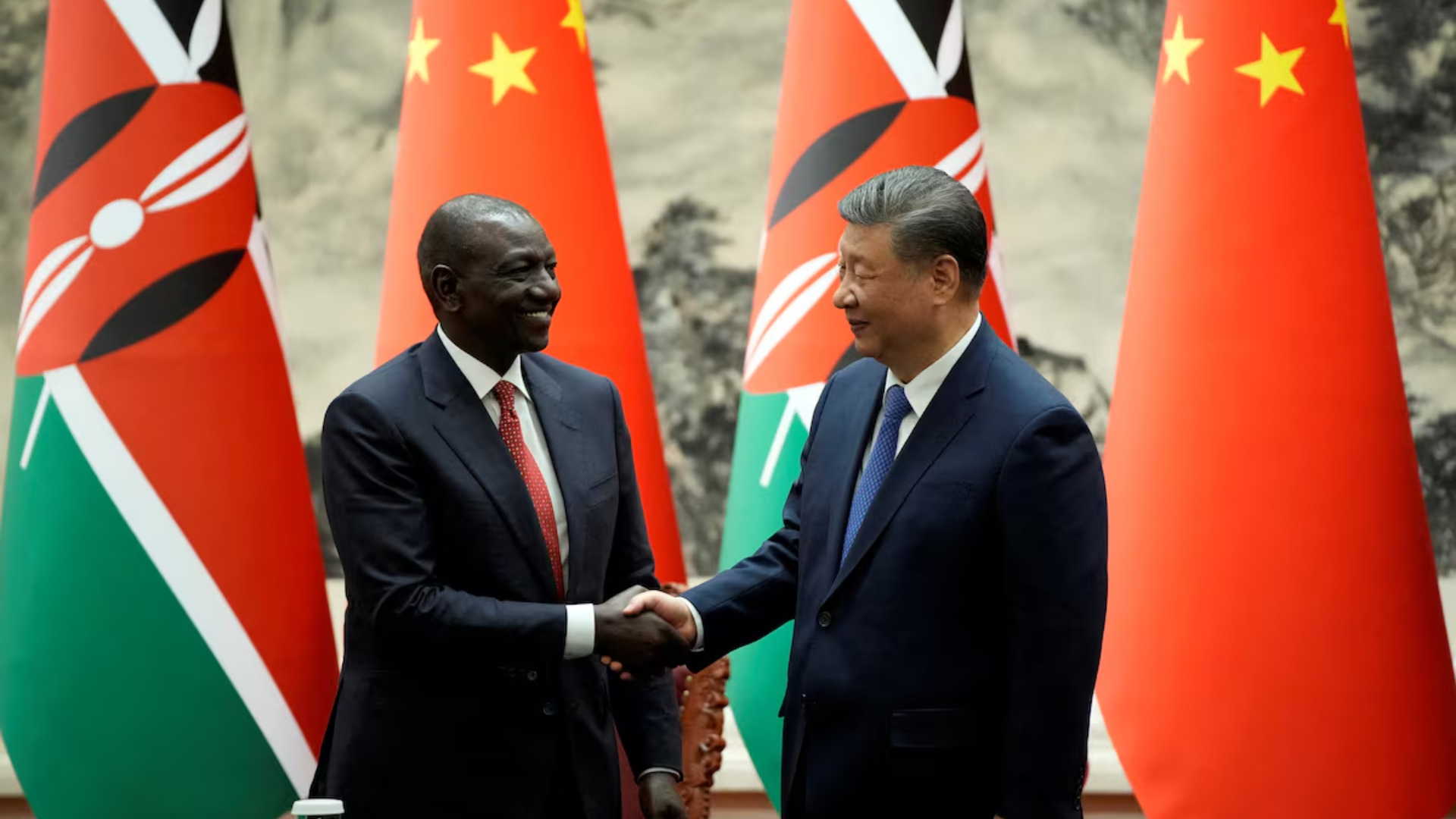
Kenya China Trade Agreement Strengthens Economic Ties
The Kenya China trade agreement opens duty free access to 98% of exports, strengthening economic ties and investor confidence. For…

Investor Demand Surges Amid Dominica’s Iranian CBI Suspension
Caribbean CBI programs are tightening eligibility, and investors are responding بسرعة. Discover why HNWI are accelerating applications, how Dominica’s recent…

What HNWI Need to Know About St Kitts Public Benefit
The St Kitts and Nevis Public Benefit Option offers HNWI a simple, transparent path to second citizenship. By focusing on…